Anti-Theft Bags & Bag Security: What Actually Works
Here's the honest headline most anti-theft bag marketing won't tell you: no bag is theft-proof, and how you carry a bag matters more than which bag you carry. Anti-theft features are real and useful, but they work by making you a harder target than the person next to you — not by making you untouchable. This guide sorts the features that genuinely help from the ones that are mostly marketing (looking at you, RFID), and covers the habits that protect you better than any zipper ever will.
The anti-theft features that actually matter
When a bag is marketed as "anti-theft," it usually means some combination of these — and some are far more useful than others:
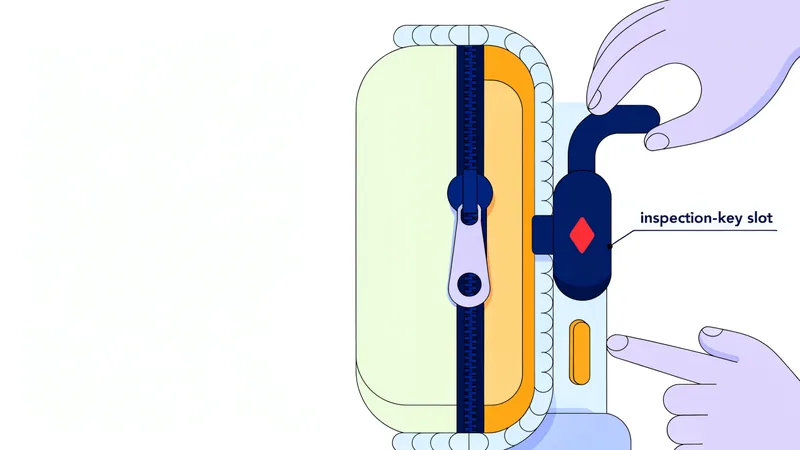
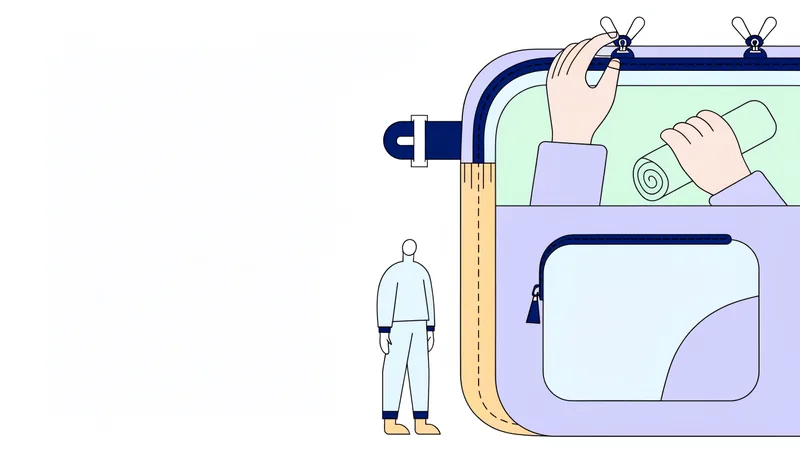
- Locking or hidden zippers — zippers that clip together or tuck into a "garage" so they can't be quietly unzipped while you're distracted. This is one of the most practical features, because quiet unzipping is how a lot of theft actually happens.
- Slash-resistant fabric and straps — cut-proof material, sometimes with a wire reinforced into the strap, so a thief can't slash the bag open or cut the strap and run. Genuinely effective against slash-and-grab, though that's a rarer attack than simple pickpocketing.
- Hidden pockets against your body — a back-panel or inner pocket that sits against you, where your most valuable items (passport, main card, cash) are hard to reach.
- Secure/lockable attachment points — a lockable strap or clip to loop the bag around a chair leg or fixed object at a cafe, so it can't be snatched off a seatback.
- RFID-blocking pockets — a lined pocket meant to stop wireless card skimming. Useful in theory, but (see below) far less necessary than it sounds.
The pattern: features that defeat quiet, opportunistic theft — locking zippers, body-side pockets — earn their keep. The dramatic-sounding ones matter less than the marketing implies.
The honest truth about RFID blocking
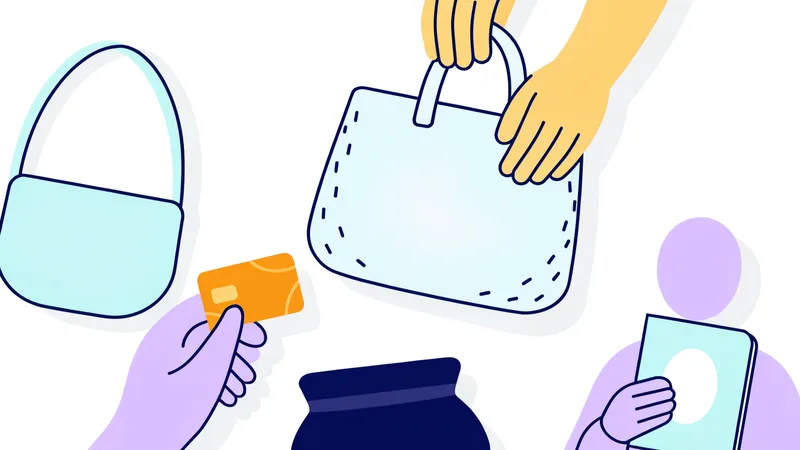
This is the feature most oversold, so here's the straight version. RFID-blocking is meant to stop a thief from wirelessly "skimming" your credit card data out of your pocket in a crowd. In reality, this attack is extremely rare to nonexistent in the wild, for concrete reasons:
- Modern chip and contactless cards transmit a one-time token, not your actual card number, so a skimmed signal is largely useless.
- Most cards aren't even RFID-enabled, and those that are have very short range (a thief would essentially have to press a reader against your wallet).
- There are almost no documented real-world cases of people losing money to crowd-skimming, while there are millions of ordinary pickpocketing incidents.
The takeaway: RFID-blocking is a nice-to-have, not a need. It doesn't hurt, and it's often bundled in for free, but don't pay a premium for it or let it give you false confidence. The real threat is physical — a hand in your bag, not a scanner in the air. (One mild exception: a passport contains an RFID chip, so a cheap RFID sleeve for it is reasonable peace of mind — just know the data on it is limited.)
Why your habits beat any bag

The uncomfortable truth is that a determined, skilled pickpocket can defeat almost any bag. Security comes far more from behavior than hardware, and the good news is the behavior is free:
- Wear your bag crossbody and in front of you in crowds and on transit. A bag on your back or hanging open behind you is the easiest target there is; a closed bag on your chest, where you can see and feel it, is one of the hardest. (This is why crossbody, sling, and belt bags worn in front are the go-to travel carries.)
- Keep zippers closed and turned toward your body. An open tote or an outer pocket facing the crowd is an invitation.
- Don't keep valuables in easy-access spots — no wallet in a back pocket, no phone in an open side pocket, no passport in an outer flap.
- Split your valuables. Keep some cash and a backup card separate from your main wallet (a money belt or a hidden pouch under your clothes is ideal for passport and emergency cash), so a single theft doesn't ruin the trip.
- Stay aware in the classic hotspots — crowded transit, tourist landmarks, markets, and anywhere someone bumps, distracts, or crowds you. Distraction is the pickpocket's main tool.
- Photograph your documents. A photo of your passport, cards, and travel insurance details (stored securely) makes recovery far easier if the worst happens.
Do these, and you're a harder target than nearly everyone around you — which is the entire game.
How to choose an anti-theft bag
If you want a bag built for security, prioritize in this order:
- A carry style you'll actually wear in front — a crossbody, sling, or belt bag (or a backpack you can swing around in crowds). The best security feature is the one you use.
- Locking or hidden zippers on the main compartment.
- A body-side hidden pocket for your most valuable items.
- Slash-resistant construction if you travel somewhere with a real slash-and-grab reputation.
- A lockable attachment point if you'll set the bag down at cafes.
- RFID blocking only if it comes included — not as a paid priority.
And match it to the trip: a night out in a low-risk city needs far less than a packed market in a pickpocketing hotspot.
Frequently asked questions
Do anti-theft bags really work?
They help, but no bag is theft-proof. Features like locking zippers, slash-resistant fabric, and body-side hidden pockets genuinely make a bag harder to steal from, especially against quiet, opportunistic theft. But a skilled pickpocket can defeat most bags, so the bag's real job is to make you a harder target than the people around you. The biggest factor is still how you carry it — worn in front, zipped, and kept aware — not the bag alone.
Do slash-proof bags actually work?
Yes — slash-resistant fabric and wire-reinforced straps genuinely resist a casual slash, so a thief can't easily cut the bag open or sever the strap and run. That said, slash-and-grab is a rarer attack than simple pickpocketing or quietly unzipping a bag, so for most travelers, locking zippers and wearing the bag in front matter more than slash-proofing. It's worthwhile if you're heading somewhere with a real reputation for bag-slashing.
Do I really need an RFID-blocking wallet or bag?
Probably not. Wireless card-skimming in a crowd is extremely rare to nonexistent in practice: modern chip and contactless cards transmit a one-time token rather than your real number, most cards aren't RFID-enabled, and there are almost no documented real-world cases of losses. RFID-blocking doesn't hurt and is often included for free, but it's not worth paying a premium for. The real risk is physical pickpocketing, not electronic skimming — a passport sleeve is the one modestly useful exception.
Do zipper pockets stop pickpockets?
They help, but they're not foolproof. A zipped pocket is slower and harder to get into than an open one, which deters casual theft — but a skilled pickpocket can still open an ordinary zipper, especially if it's on the back or side where you can't see it. Locking or clipped zippers worn in front of your body are much more effective, because they can't be opened quietly and stay in your sightline.
What do pickpockets steal the most, and how?
Phones, wallets, and cash — usually from easy-access spots like back pockets, open tote bags, and outer pockets. The method is almost always distraction: a bump, a staged commotion, a crowded train, or someone crowding you at a ticket machine, while an accomplice lifts your valuables. The defense is straightforward — keep valuables in closed, body-side pockets, wear your bag in front in crowds, and stay alert whenever someone gets unusually close.
How do experienced travelers avoid pickpockets?
They rely on habits, not gadgets: wearing a crossbody or sling bag in front of the body, keeping it zipped and close, carrying minimal valuables where they can be reached, and splitting cash and cards so no single theft is catastrophic. Many use a money belt or hidden pouch under their clothes for a passport and backup cash, stay especially alert in crowded transit and tourist hotspots, and keep photos of their key documents. The bag matters less than the routine.
Guides in this section
11 guides sit under this page.
Roundups

Guides

Bag safety on public transport and at night

Clear bag policies explained: stadiums, schools and venues
How luggage trackers work and what airlines allow
How to protect luggage in airports and hotels

Pickpocket tactics and how to carry your bag against them
RFID-blocking bags: do you need one?

Traveling with valuables: cameras, laptops and jewelry