Packing Cubes: Are They Worth It, and How to Actually Use Them
Packing cubes have a near-cult following among frequent travelers and a fair share of skeptics who suspect they're just fabric boxes that add weight. Both camps have a point — so this guide gives the honest answer: what packing cubes really do (and don't) do, the crucial difference between regular and compression cubes, whether to roll or fold, and how many you actually need. No hype, just how to pack better.
What packing cubes actually do
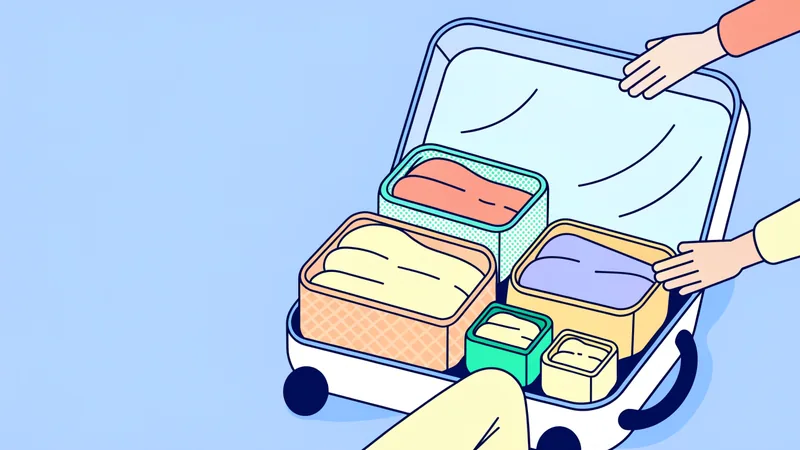
A packing cube is a lightweight, zippered fabric pouch that holds a group of clothes inside your luggage. Their real magic isn't space — it's organization and control. Instead of a suitcase that explodes the moment you open it, you get tidy modules: tops in one, underwear and socks in another, a cube for dirty laundry. You can find anything in seconds, repack in minutes, and live out of a cube like a drawer without unpacking.
The space question is where honesty matters, and it depends entirely on which kind you buy.
Regular vs. compression cubes: the crucial difference
This is the single most important thing to understand before buying:
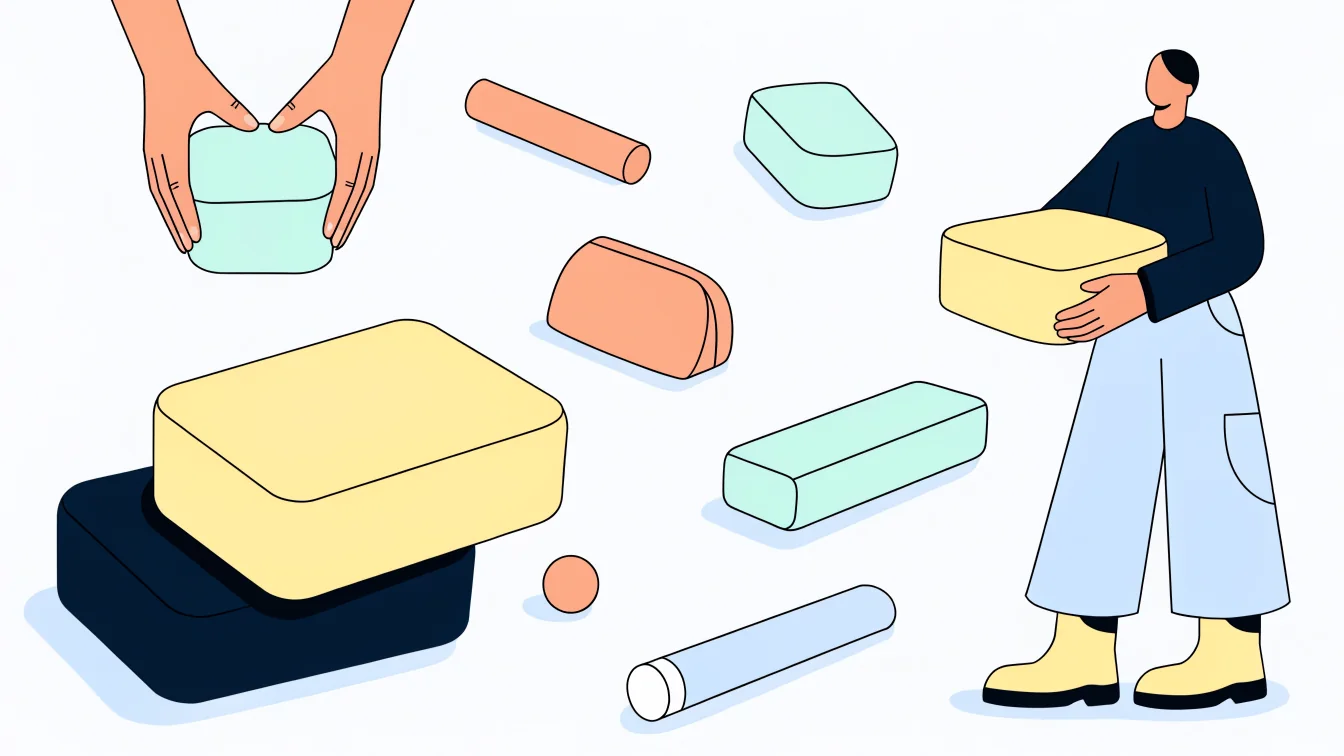
- Regular (standard) packing cubes organize your clothes and square them off neatly, which helps you use your suitcase's corners better — but they don't dramatically shrink your load. Their job is order, not compression.
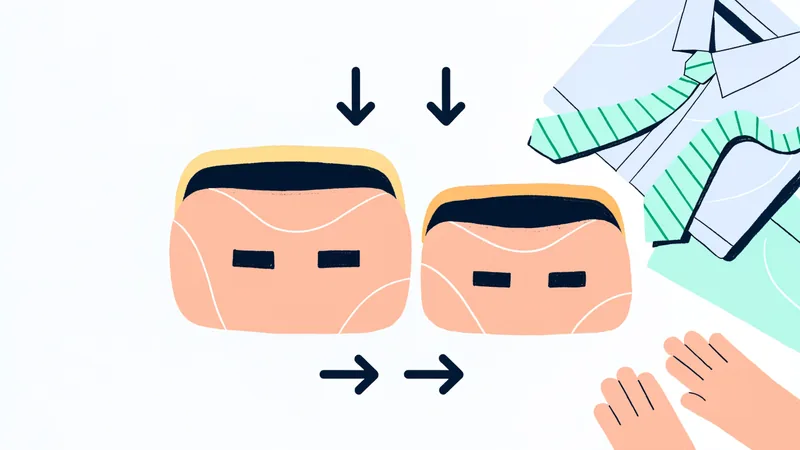
- Compression packing cubes have a second zipper that squeezes the air out and physically reduces the bundle's volume — often noticeably, especially with bulky, soft items. This is where the real space savings live.
So: if your goal is a tidy suitcase, regular cubes are perfect. If your goal is fitting more into a carry-on, you want compression cubes. Many travelers mix both.
Do packing cubes actually save space?
The honest answer: regular cubes mostly organize; compression cubes genuinely save space. A standard cube helps a little by compacting soft clothes into neat rectangles that stack without gaps — but it won't work miracles. A compression cube, by zipping out the air, can meaningfully shrink bulky items like sweaters, puffy jackets, and t-shirts, letting you fit more in the same bag.
One trade-off to know: compression can leave clothes a bit more wrinkled (you're literally crushing the air out), and it adds a touch of weight. For casual clothes that's a fine trade; for tailored pieces, it's not (more on that below).
Roll or fold? (And what goes in a cube)
Cubes work with either method, so use the right one per garment:
- Rolling saves space and reduces deep creases — ideal for casual clothes, t-shirts, jeans, underwear, and activewear. Rolled items also pack tightly into a cube.
- Folding suits structured and dressy clothes (dress shirts, trousers, blazers) that crease badly when rolled or crushed.
A reliable approach: roll the casual stuff into a compression cube, fold the dressy stuff flat in a regular cube (or a garment folder — see our garment bags guide), and keep them separate.
What NOT to compress: suits, blazers, dress shirts, and delicate fabrics. Compression wrinkles them, and a wedding suit is not worth the saved inch. Compress the forgiving stuff — tees, socks, underwear, casual layers, and puffy jackets (which shrink the most and wrinkle the least).
How many packing cubes do you need?

Fewer than a giant set implies. A practical setup for one person, carry-on sized:
- One cube for tops
- One for bottoms
- One for underwear and socks
- One for dirty laundry (keeping worn clothes away from clean ones is a genuinely underrated use)
That's about three to five cubes for most trips. And here's the counterintuitive part about long trips: a two-week trip doesn't need more cubes than a long weekend — you just pack them fuller (or use compression) and do laundry, because you re-wear clothes. More cubes mostly means more organization, not more capacity.
The packing "rules" that actually help
A few popular packing heuristics pair perfectly with cubes to stop you overpacking:
- The 3-3-3 rule: pack 3 tops, 3 bottoms, and 3 pairs of shoes for a trip (variations swap in accessories). It forces a mix-and-match capsule that fits in a carry-on — one cube of tops, one of bottoms, done.
- The 5-4-3-2-1 rule: 5 tops, 4 bottoms, 3 accessories, 2 pairs of shoes, 1 hat or bag — a roughly week-long capsule that still fits a carry-on.
These aren't laws, just guardrails. The point is to plan outfits that recombine, then let the cubes keep them sorted.
Other ways to use cubes (beyond one suitcase)
- Separate by person on family trips — a color per kid means no morning chaos.
- Separate clean from dirty, or wet from dry (a water-resistant cube for a damp swimsuit).
- Repack in seconds — living out of cubes means your bag never becomes a disaster mid-trip.
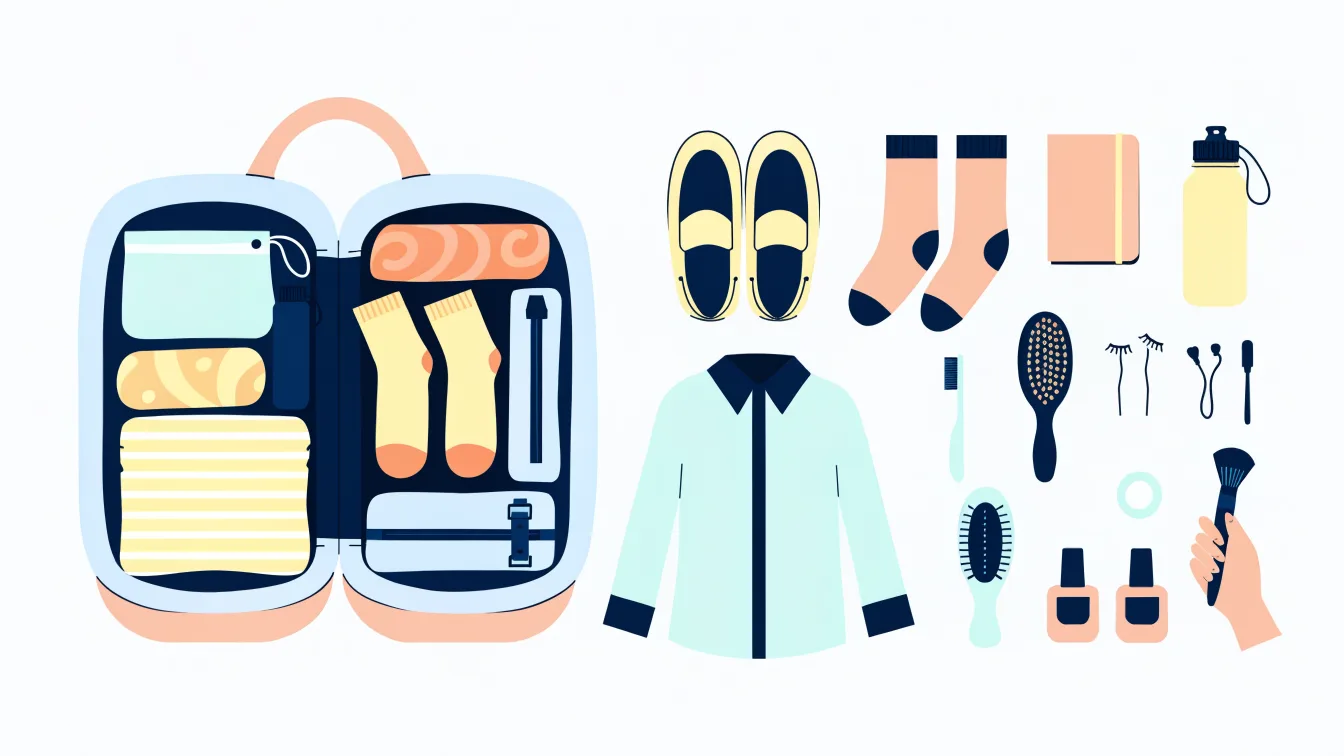
- Corral non-clothing — tech and cables, toiletries, or a shoe bag all fit the same system.
What can you use instead?
If you don't want to buy cubes, large zip-top bags, stuff sacks, or even folding-and-stacking all achieve some of the benefit. Compression bags (roll- or vacuum-style) squeeze harder than cubes but crush everything and wrinkle more. Cubes just do the job more durably and reusably, with easier access — which is why frequent travelers tend to land on them.
Frequently asked questions
Are packing cubes worth it?
For most travelers, yes — but for the right reason. Their main value is organization and control: your suitcase stays tidy, you find things instantly, and you can repack in minutes. If you specifically want to fit more in a carry-on, choose compression cubes, which genuinely shrink bulky clothes. Regular cubes organize more than they compress. If you travel even occasionally and hate a chaotic suitcase, they're worth it; if you pack one small bag and never lose track of anything, you may not need them.
What's the difference between a packing cube and a compression packing cube?
A regular packing cube is a zippered pouch that organizes and squares off your clothes but doesn't dramatically reduce their volume. A compression packing cube adds a second zipper that squeezes out the air, physically shrinking the bundle — genuinely saving space, especially with bulky, soft items like sweaters and jackets. Choose regular cubes for organization, compression cubes when you need to fit more into a limited bag.
Do packing cubes actually save space?
Regular cubes save only a little — they mainly organize and help you use your suitcase's corners neatly. Compression cubes do save real space by zipping the air out of your clothes, which can noticeably shrink bulky items. So the answer depends on the type: buy compression cubes if space is the goal, regular cubes if organization is. Either way, cubes won't let you pack fundamentally more than your clothes' compressed volume allows.
Should I roll or fold clothes in packing cubes?
Both work — match the method to the garment. Roll casual clothes (t-shirts, jeans, activewear, underwear) to save space and avoid deep creases, and pack them tightly into a cube. Fold structured or dressy items (dress shirts, trousers, blazers) flat, since rolling or compressing them causes wrinkles. A common approach is rolling casual clothes into a compression cube and folding dressy pieces flat in a separate regular cube.
How many packing cubes do I need?
For one person with a carry-on, about three to five: one for tops, one for bottoms, one for underwear and socks, and one for dirty laundry. Interestingly, a two-week trip doesn't need more cubes than a weekend — you pack them fuller or use compression and do laundry along the way, since you re-wear clothes. More cubes add organization, not capacity, so size the set to how you like to sort, not to trip length.
What should you not pack in compression cubes?
Avoid compressing suits, blazers, dress shirts, and delicate fabrics — squeezing the air out wrinkles them, and structured clothing is exactly what you want to arrive crisp. Save compression for forgiving items: t-shirts, underwear, socks, casual layers, and puffy jackets (which shrink the most and wrinkle the least). For tailored clothing, fold it flat in a regular cube or use a garment folder instead.
Does TSA allow packing cubes?
Yes — packing cubes are completely fine and go through airport security inside your bag like anything else. If an agent needs to inspect your luggage, they can unzip and look through the cubes, so don't rely on them to conceal anything (nor should you try). Otherwise there's no restriction; cubes actually make a bag easier to inspect and repack neatly if it does get opened.
Guides in this section
4 guides sit under this page.