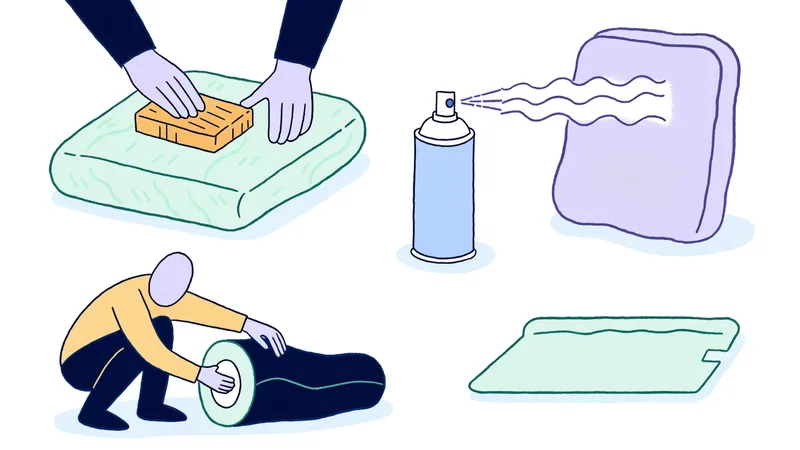
How to Clean a Bag (Any Material), Fix It, and Store It Right

Whether you can clean a bag with a damp cloth or need to be very careful depends entirely on what it's made of — leather, canvas, nylon, and suede all want different treatment, and using the wrong method (soaking leather, machine-washing a structured bag) does more damage than the dirt. This guide covers cleaning by material, the repairs worth doing yourself, and how to store bags so they last. One rule applies to everything below: always spot-test any cleaner on a small, hidden area first.
The universal rules (before you clean anything)
- Spot-test first. Try any cleaner — even mild soap — on an inconspicuous area (inside a seam, the bottom) and let it dry before doing the whole bag. Materials and dyes react unpredictably.
- Blot, don't rub. For spills and stains, blot gently with a clean cloth. Rubbing spreads the stain and can damage the surface.
- Treat stains fast. The sooner you address a spill, the more likely it lifts. Set-in stains are much harder.
- Less water is more. Especially on leather and structured bags — excess water warps, stains, and breeds mold. Damp, not wet.
- Air dry, away from heat. Never use a hairdryer, radiator, or direct sun to speed drying; heat cracks leather and warps shape.
How to clean a leather bag
Leather is the material people most often ruin with the wrong approach. Keep it simple:
Routine cleaning: wipe the bag with a soft, dry or slightly damp cloth to lift dust and surface dirt. For more than that, use a tiny amount of mild soap in water on a cloth (well wrung out), wipe gently, then wipe again with a clean damp cloth and let it air dry. A dedicated leather cleaner is the safest option for regular cleaning.
On Dawn / dish soap: a very small amount of mild dish soap in water is commonly used for light cleaning, but it can dry leather out, so use it sparingly, follow with a clean damp wipe, and condition afterward. It's a pinch-hitter, not a routine method — a proper leather cleaner is gentler.
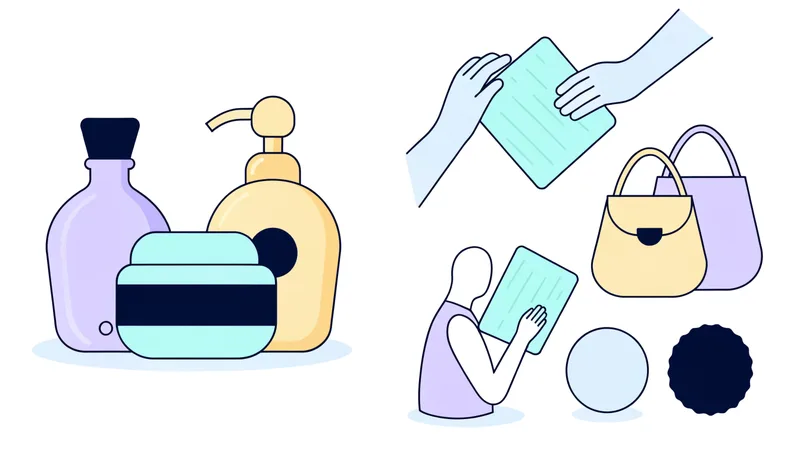
Conditioning (don't skip this): leather dries out and cracks over time. Apply a leather conditioner about once or twice a year (more in dry climates), using a soft cloth in thin coats, to keep it supple. This is the single most important thing for making a leather bag last.
What NOT to use on leather: harsh chemicals, rubbing alcohol, acetone, and — despite being a popular hack — baby wipes, which can contain agents that strip the finish over time. Also avoid soaking it, and keep leather out of direct sunlight and away from heat, which fade and dry it.
Suede is different: no water. Use a suede brush to lift dirt and restore nap, and a suede eraser for marks. Water stains suede, so treat it as its own thing.
How to clean a canvas or cotton bag
Canvas is forgiving. For most canvas totes and bags:
- Mix a little mild soap with warm water, dip a soft-bristled brush or cloth, and gently scrub the dirty areas.
- Wipe away suds with a clean damp cloth and air dry.
- Some unstructured canvas totes are machine-washable — but only check the care label first, and never machine-wash a canvas bag with leather trim, a stiff base, or structure, as it'll fall apart or warp.
- For a set-in stain, a paste of baking soda and water dabbed on and left briefly can help before rinsing.
How to clean a nylon or polyester bag (backpacks, luggage, gym bags)
Synthetic bags are the easiest to clean but the trickiest to wash, because they usually have frames, padding, and straps that don't survive a washing machine.
- Spot clean with mild soap and warm water on a cloth or soft brush; wipe and air dry.
- For the whole exterior, hand-wash with soapy water and a brush rather than machining it — especially for backpacks and any structured bag.
- Check the care label. A few simple, frameless bags can be machine-washed on a gentle cycle inside a pillowcase — but when in doubt, hand wash.
- Air dry fully before storing; trapped moisture causes odor and mildew.
How to clean the inside of a bag
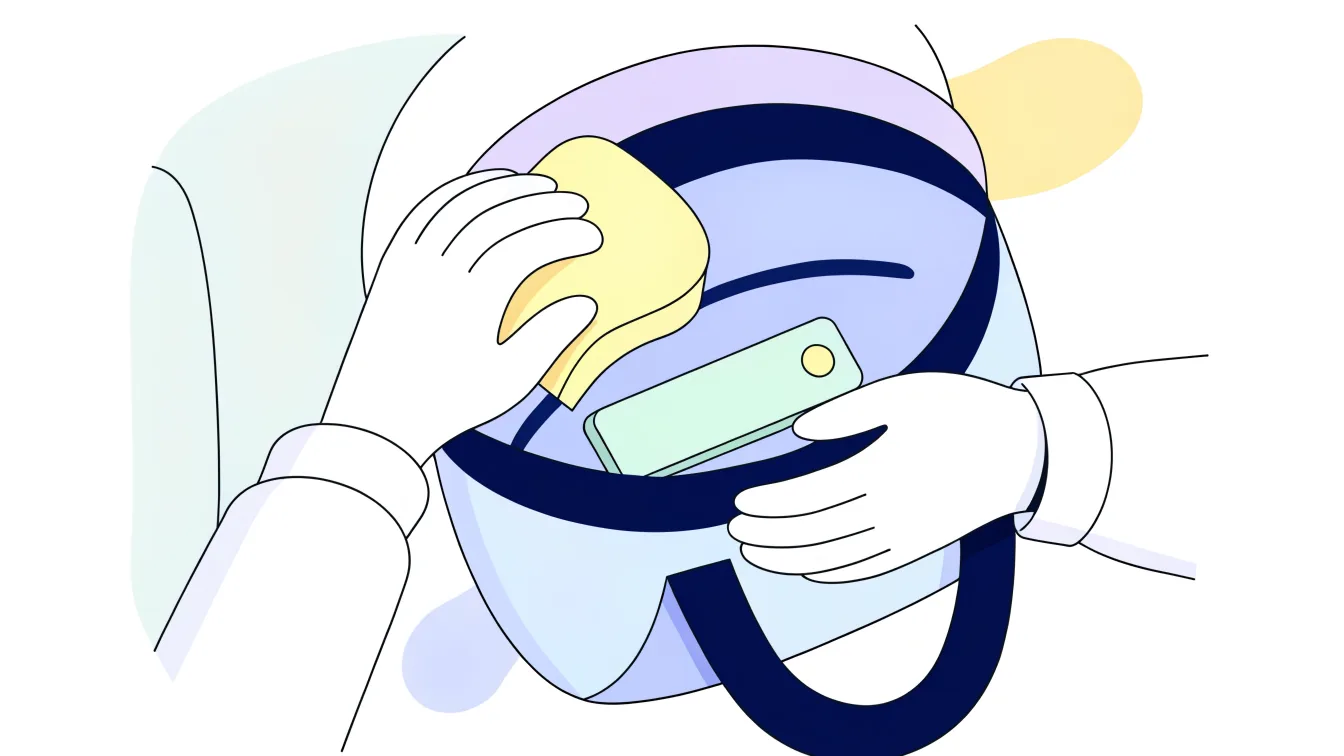
The lining collects crumbs, pen marks, and grime, and people forget it entirely.
- Empty the bag, turn it out, and shake or vacuum the debris (a handheld vacuum or crevice tool works well).
- Wipe a wipeable lining with a cloth dampened with mild soapy water, then a clean damp cloth; air dry with the bag open.
- For odors, put an open box or a sachet of baking soda inside the closed bag overnight — it absorbs smells without chemicals.
- For ink marks, a small amount of rubbing alcohol on a cotton swab can lift them (spot-test first, as it can affect some linings).
Dealing with smells and mold
- Musty smell: air the bag out, then leave baking soda inside overnight. Sunlight can help freshen it, but it fades some fabrics and dries leather, so use it briefly and cautiously.
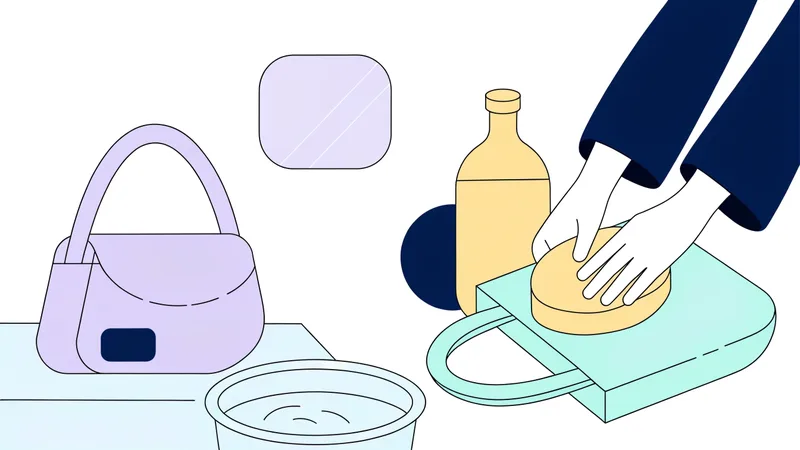
- Mold or mildew: wipe with a solution of equal parts white vinegar and water (spot-test first), then wipe clean and dry the bag completely before storing. Mold means the bag got damp and wasn't dried — fixing the storage is as important as cleaning the mold.
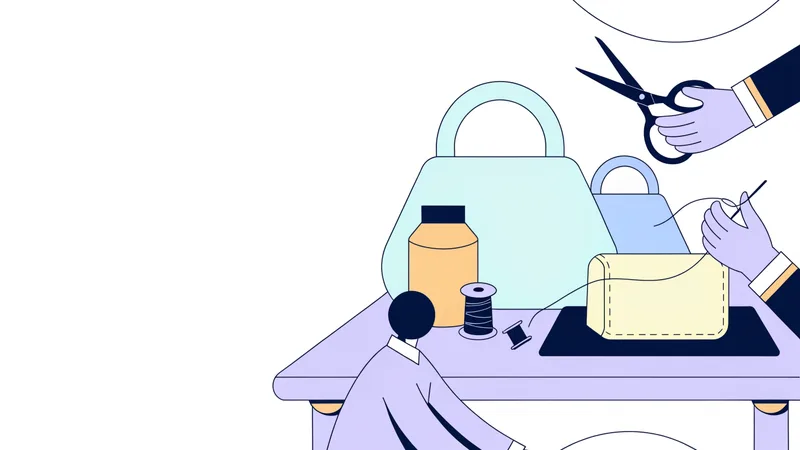
Common bag repairs you can do yourself
Plenty of "broken" bags are quick fixes:
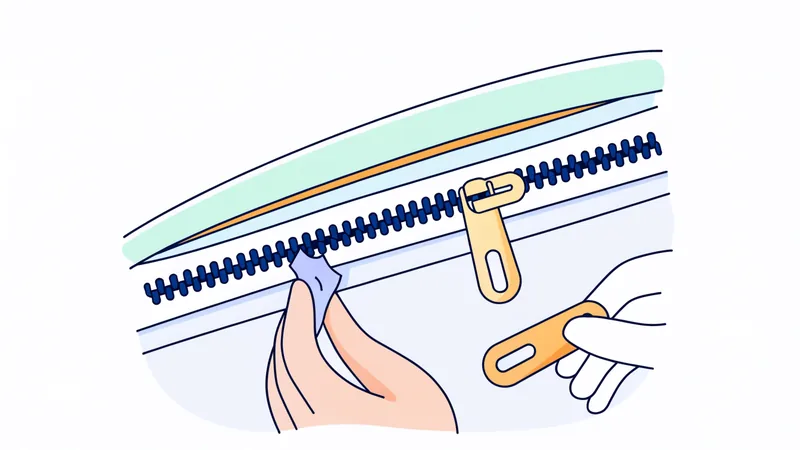
A stuck zipper: don't force it. Lubricate the teeth with something waxy — a graphite pencil rubbed on the teeth, a bar of soap, or a candle — then gently work the slider back and forth. This frees most stuck zippers.
A separated (splitting) zipper: on a coil zipper, the teeth often realign if you run the slider all the way back down past the split and up again. If the zipper keeps separating behind the slider, the slider itself is worn — replacing the slider (they're cheap and slide on from the end) usually fixes it, and it's the most common real repair a zipper needs.
A zipper pull that came off: you can thread a keyring, paperclip, or a proper replacement pull through the slider's hole as a fix.
Broken luggage wheels: many roller bags have replaceable wheels held by an axle screw or a pop-in mount — replacement wheels are sold by brand or as universal sets, and swapping them is a screwdriver job. This is exactly why replaceable wheels matter when buying (see our construction guide). Wheels molded into a cheap shell generally can't be replaced.
Straps and handles: a torn strap or a handle pulling loose is usually a job for a cobbler or bag-repair shop, who can restitch or replace it for far less than a new quality bag.
Hard-shell cracks: these are difficult to repair invisibly or durably; a cracked hard shell often means replacement, though a warranty may cover it.
When to repair vs replace
- Repair a quality bag — a good brand, a leather bag, anything under a lifetime or long warranty. Use the brand's warranty service first (many cover wheels, zippers, and handles), or a cobbler for leather and stitching. A well-made bag is worth keeping going for years.
- Replace a cheap bag where the pro-repair cost approaches the price of a new one, or where the failure is structural (a cracked cheap shell, a disintegrating lining). Repairing a $30 bag for $40 doesn't make sense.
How to store bags so they keep their shape
Storage is where collections quietly get ruined — crushed, mildewed, or misshapen. Do it right:
- Clean the bag before storing. Dirt and body oils set in and attract pests over months.
- Stuff it to hold its shape with tissue paper, bubble wrap, or a small pillow. Avoid newspaper against light-colored linings — the ink can transfer.
- Cover it with a breathable dust bag (or a cotton pillowcase). Never store a bag in plastic — plastic traps moisture and causes mold and for leather can make it sticky.
- Store upright, in a cool, dry place, out of direct sunlight. Sun fades everything; damp causes mold; heat dries leather.
- Don't hang bags by their straps for long periods — it stretches and distorts the straps over time. Rest them on a shelf.
- Give leather bags a little air occasionally; sealed away with no airflow, they can develop mildew in humid climates.
Frequently asked questions
What is the best way to clean a leather handbag?
Wipe it regularly with a soft, dry or slightly damp cloth, and for deeper cleaning use a tiny amount of mild soap in water (well wrung out) or a dedicated leather cleaner, always spot-testing first. Then condition the leather once or twice a year to keep it from drying and cracking. Avoid soaking it, harsh chemicals, and direct heat or sunlight.
Can you use Dawn dish soap on a leather bag?
A very small amount of mild dish soap in water can be used for light cleaning, but it can dry leather out, so use it sparingly, wipe it off with a clean damp cloth, and condition the leather afterward. A dedicated leather cleaner is gentler and safer for regular use — treat dish soap as an occasional pinch-hitter, not routine care.
What should you not use on a leather bag?
Avoid harsh chemicals, rubbing alcohol, acetone, and — despite being a common hack — baby wipes, which can strip the leather's finish over time. Also avoid soaking the leather in water, and keep it out of direct sunlight and away from heat sources, all of which dry, fade, or crack it.
How do you fix a zipper that keeps separating?
On a coil zipper, first run the slider all the way back down past the split and up again — that often realigns the teeth. If it keeps separating behind the slider, the slider is worn out, and replacing the slider (an inexpensive part that slides on from the end of the zipper) usually solves it for good. Lubricating a sticky zipper with a graphite pencil or bar soap also helps.
Can broken luggage wheels be repaired?
Often, yes. Many roller bags have replaceable wheels held by an axle screw or a pop-in mount, and replacement wheels are sold by the brand or as universal sets — swapping them is usually a simple screwdriver job. Wheels molded into a cheap shell generally can't be replaced, which is why replaceable wheels are worth looking for when buying luggage.
How do I clean the inside of my bag?
Empty it and shake or vacuum out the debris, then wipe a wipeable lining with a cloth dampened in mild soapy water, followed by a clean damp cloth, and let it air dry open. For odors, leave baking soda inside the closed bag overnight; for ink marks, dab with a little rubbing alcohol on a cotton swab after spot-testing.
What's the best way to store handbags?
Clean the bag, stuff it with tissue paper or a small pillow to hold its shape, cover it with a breathable dust bag or cotton pillowcase (never plastic, which traps moisture), and store it upright in a cool, dry place out of direct sunlight. Avoid hanging bags by their straps long-term, since that stretches them.
Guides in this section
20 guides sit under this page.
Guides

How-tos
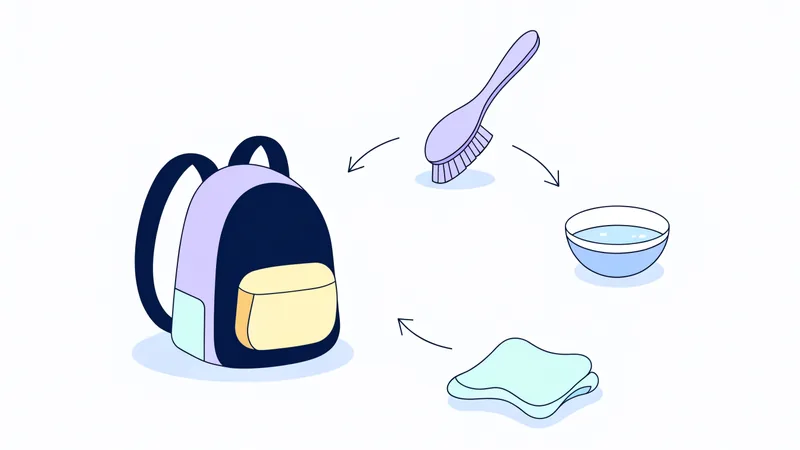
How to clean a backpack
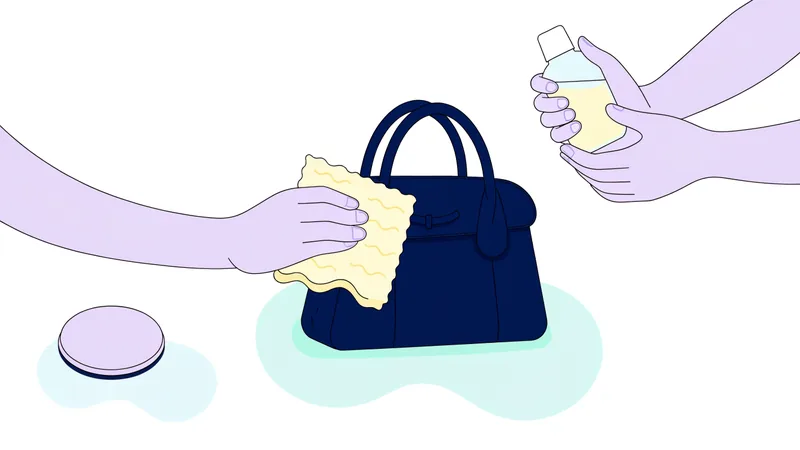
How to clean a leather bag
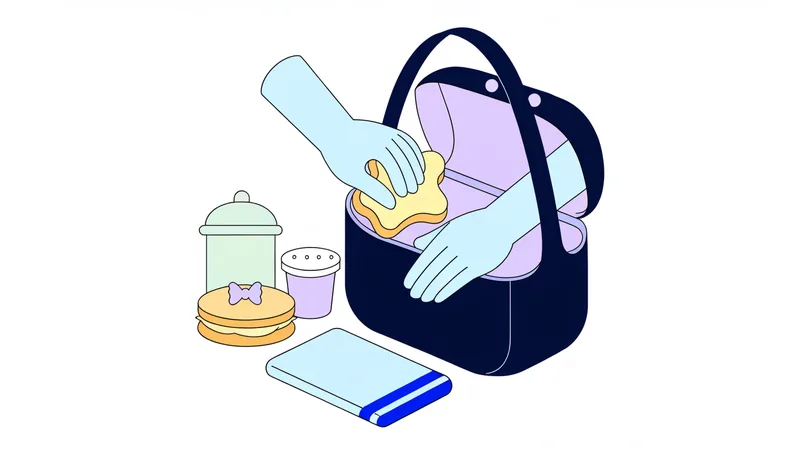
How to clean a lunch bag or cooler bag

How to clean a suitcase inside and out
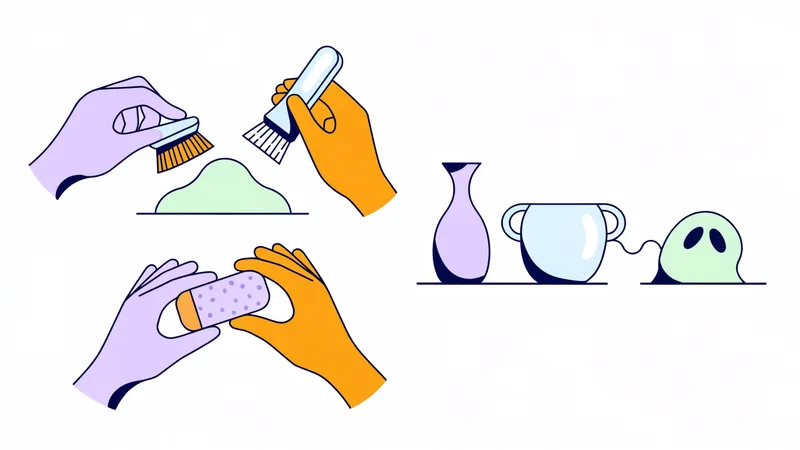
How to clean suede and nubuck bags
How to condition and protect leather bags
How to fix a broken buckle or clip
How to fix a zipper on a bag: stuck, broken or split
How to remove mold and mildew from a bag

How to remove stains from a bag: ink, oil and makeup
How to repair a torn strap or seam

How to replace luggage wheels and handles

How to restore a scuffed or faded bag

How to store handbags so they keep their shape
How to store luggage and backpacks long term
How to wash a gym bag and get rid of odor

How to wash canvas and tote bags