How to wash a gym bag and get rid of odor
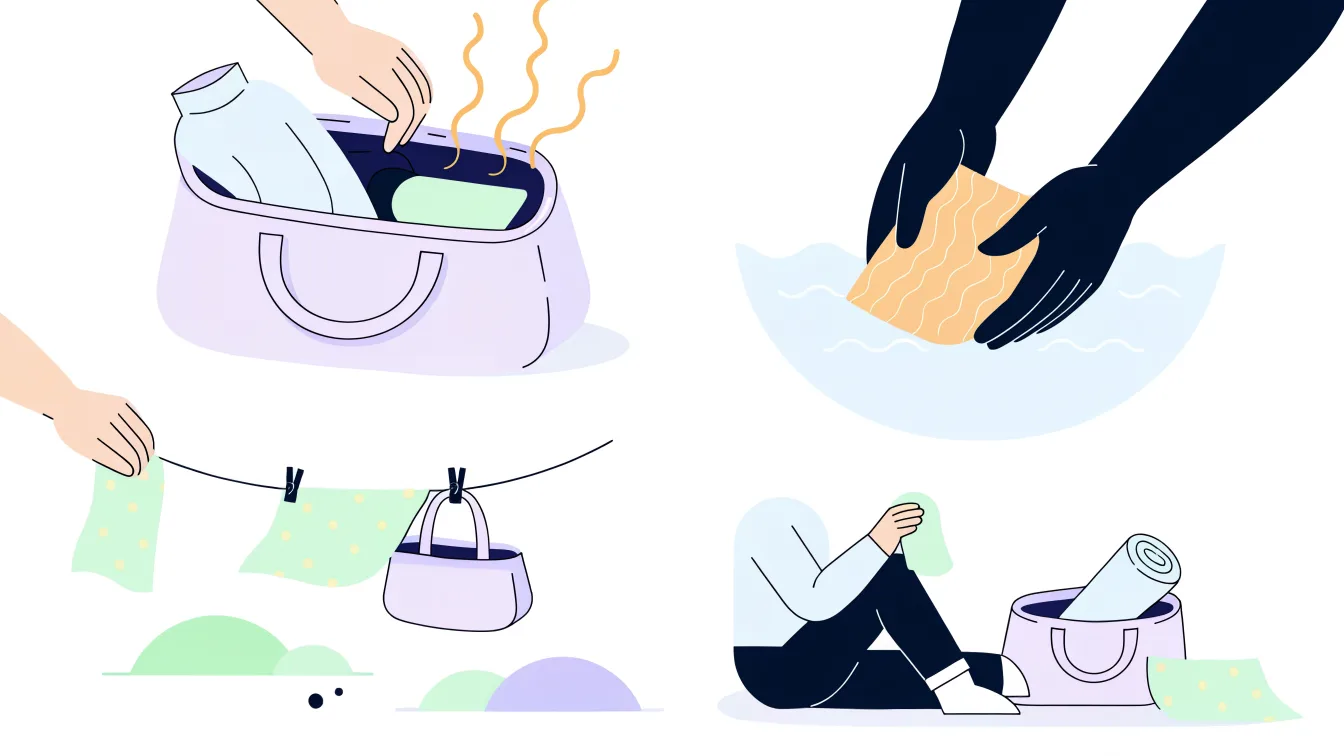
To decide how to wash a gym bag, follow its care instructions and dry it completely using the specified method. Empty every compartment first. Treat workout clothes, shoes, and the bag as separate cleaning jobs rather than washing everything together.
Find the source before treating the whole bag
Empty the main compartment, shoe section, bottle sleeve, and every zip pocket. Put their contents in separate groups so you can address each item's own care instructions.
Start your inspection with forgotten laundry, food wrappers, spills, and damp gear. Note where you find each problem. This gives your cleaning effort a location rather than a vague instruction to deodorize everything.
For a training backpack, remember the shoulder straps as well as the interior. REI explains that sweat salts and skin oils can accumulate in pack straps. Its advice concerns packs, so apply it alongside your own bag's instructions.
Photograph the care label and any damaged areas before starting. If the smell appears concentrated around peeling material or a damaged lining, send those photographs to the manufacturer.
Separate the question of odor from the question of infection prevention. CDC's athlete hygiene guidance addresses personal hygiene and laundry practices. Do not use a bag's smell as a substitute for that routine.
The bag-care hub covers other materials when your training bag includes trim that needs a separate approach.
What you need and methods by material
Keep the maker's instructions on how to wash a gym bag beside your cleaning supplies. Keep any removable components beside their own labels, especially when they have a different approved method.
What you need
- The care label or maker's instructions.
- The approved mild cleaner.
- A soft sponge or clean cloth.
- A soft brush if the maker permits it.
- A separate container for removed belongings.
- A suitable place for the specified drying method.
Under Armour's backpack instructions support dry brushing loose dirt before cleaning stains with mild detergent and warm water. That is an example for its backpacks, not permission to soak every duffel.
| Material or construction | Published care example | Decision for your bag |
|---|---|---|
| Polyester gym duffel | Nike Gym Club specifies spot cleaning | Do not assume polyester permits machine washing |
| Polyester sports sling with TPU bottom | Nike Swim specifies cold hand washing | Follow its separate washing and drying restrictions |
| Training backpack | Under Armour describes sponge or towel cleaning | Confirm the exact model's instructions first |
The examples come from Gym Club care, Swim care, and the backpack guidance above.
For a fabric shopper used for workouts, follow the separate tote-washing guide.
Choose how to wash a gym bag

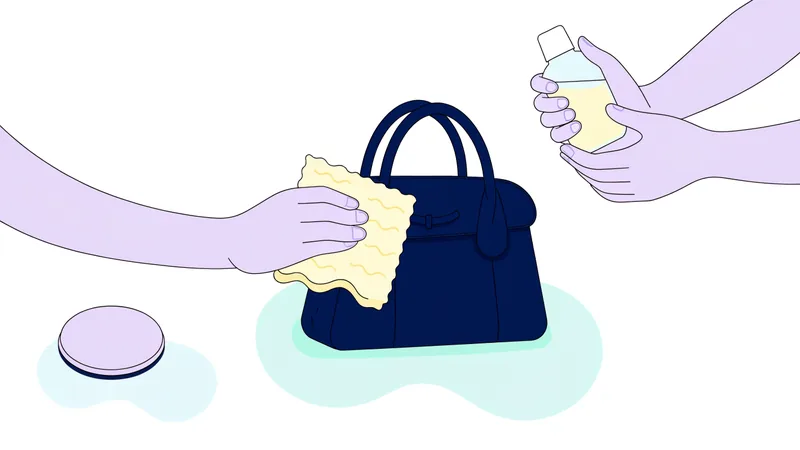
Use this order for an approved cloth-cleaning routine. Match the cleaner, water temperature, and amount of moisture to your maker's directions. Do not convert spot-clean permission into immersion.
- Remove all belongings.
- Remove loose surface dirt using the permitted method.
- Prepare the approved cleaner according to its instructions.
- Clean one accessible area with the permitted cloth or sponge.
- Remove cleaner residue as the maker directs.
- Arrange the bag for its approved drying method.
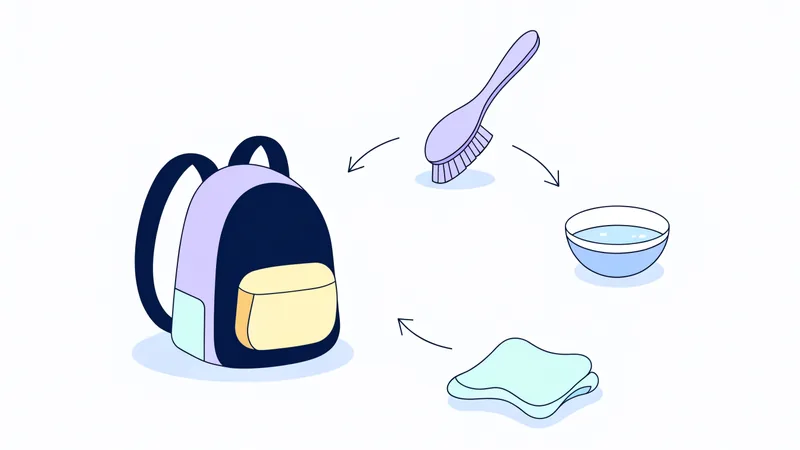
For a backpack, REI's light-cleaning sequence includes emptying pockets, wiping interiors, addressing exterior spots, and removing soap with clean water. Follow your model's limits if they are more restrictive.
Work through the main compartment, then each smaller pocket. Keep a short checklist beside you so a closed shoe compartment does not get overlooked. Treat removable laundry pouches separately according to their instructions.
If the label explicitly allows hand washing, use that complete method instead. The Nike Swim example requires a cold, separate hand wash and line drying.
Do not infer machine-wash permission from the absence of a warning. If the label is unreadable, ask the maker before choosing a whole-bag wash.
Finish drying and reset the workout routine
Allow the bag to finish its specified drying process before repacking. Under Armour explicitly instructs users to air dry its backpacks completely before reuse. Do not impose a universal drying time on every construction.
Build a pocket-by-pocket check into repacking. Include the base, enclosed sections, and any separately cleaned accessories. If you are unsure about a padded component, ask the maker how it should dry.
For your next workout, make unloading the first task when you return. Put used clothes directly into their laundry routine. Clean bottles and food containers separately according to their own instructions.
CDC recommends washing workout clothing, uniforms, and towels after each use. It specifies complete dryer drying while following clothing-label instructions. That advice concerns those textiles; it does not authorize tumble drying a bag.
Assign a separate place for used gear while transporting it home. Under Armour describes dedicated compartments as a way to separate sweaty equipment from other belongings. Empty the compartment afterward rather than treating it as permanent laundry storage.
Keep this unpack-clean-dry routine with your usual gym-bag organization, so cleaning does not depend on a strong smell appearing first.
What not to do, and when to seek help
Do not use perfume as your cleaning plan. Begin with identifiable residue and the approved care method. Avoid adding deodorizing products unless the maker confirms compatibility with the bag's materials.
Keep drying instructions specific. A bag that must line dry should not receive a dryer cycle because its contents normally do. The sports-sling care restrictions also prohibit bleaching, ironing, and dry cleaning.
Stop repeating home treatments if the problem remains after approved cleaning and complete drying. Send the maker a description of the location, material, and treatments already attempted. Ask whether repair, specialist cleaning, or replacement is appropriate.
For visible mold, follow the separate mold-handling guide. EPA explains that porous materials can be difficult or impossible to clean completely and may require disposal.
For an expensive or sentimental mold-affected item, EPA also suggests consulting a specialist when unsure. Disclose the problem before taking it to a cleaner.
This is general care guidance. Suspected skin infection needs a clinician's advice, as CDC advises athletes; cleaning the bag is not treatment.
FAQ
Can you machine wash a polyester gym bag?
Not on the strength of the fiber name alone. Nike's polyester Gym Club duffel specifies spot cleaning. A bag's complete construction determines its published care instructions. Find your exact model and follow its method, even when another polyester bag allows a different wash routine. Source.
Why does my gym bag still smell after cleaning?
Revisit each compartment and the items normally carried inside. Record any remaining residue, damp area, or damaged lining before asking the maker for help. Do not keep adding different treatments without material guidance. A useful next step is identifying the affected component, rather than repeating the same whole-bag wash.
Should you wash workout clothes inside the bag?
Treat them as separate care jobs. CDC advises washing workout clothing and towels after each use, with complete drying according to its guidance and the clothing label. The bag has its own restrictions, which may require spot cleaning or line drying. Unpack first so neither set of instructions is overlooked. Source.
Can a gym bag go in the dryer?
Only if its maker explicitly permits that drying method. Some sports bags specify line drying, while backpack instructions may require air drying completely before reuse. Read the drying instruction alongside the washing instruction. Do not transfer a clothing-care recommendation to the bag simply because they traveled together. Example.
Sources
- nike.com/t/gym-club-duffel-bag-24l-BHrK6r/DR6974-017
- nike.com/t/swim-sling-bag-10l-QgWi1m60/NESSC156-001
- underarmour.com/en-us/t/playbooks/apparel-gear/back-to-school-backpacks-guide
- rei.com/learn/expert-advice/backpack-how-to-clean.html
- cdc.gov/mrsa/prevention/athletes.html
- epa.gov/mold/what-are-basic-mold-cleanup-steps