Reusable shopping and grocery bags: types, materials and how to choose
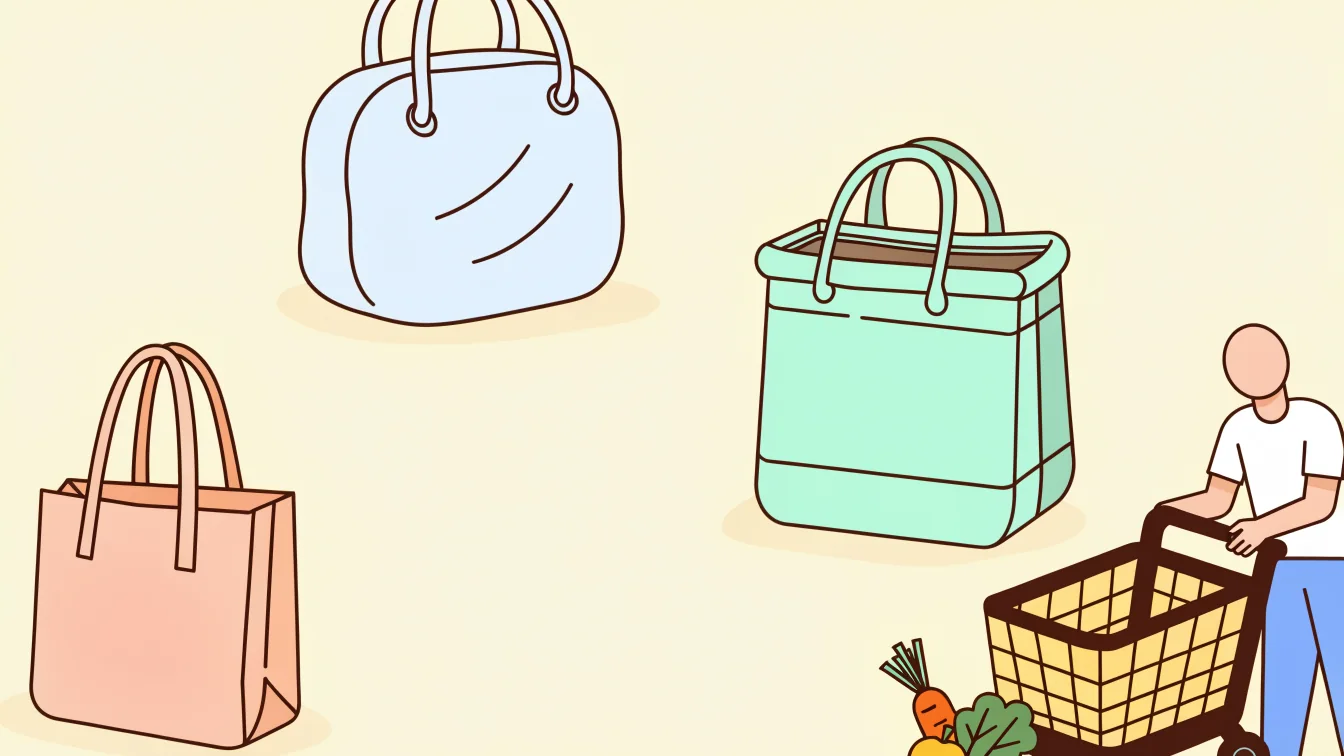
Good reusable shopping bags fit your typical load, carry comfortably and clean easily. Structured grocery bags are convenient for cartons and jars, foldables suit spontaneous purchases, and insulated bags help with temperature-sensitive shopping. Use separate bags for raw animal products and ready-to-eat groceries, following FoodSafety.gov.
What counts as a reusable shopping bag
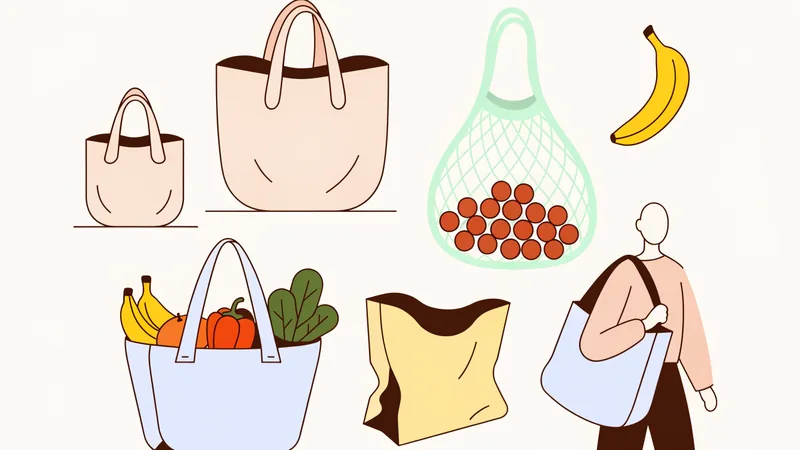
A reusable shopping bag is any bag made to make repeated trips to the store. The category covers six types:
- Soft totes for light errands and mixed groceries
- Structured carriers with a firm base for cartons, cans and jars
- Foldables that pack into a pocket for unplanned stops
- Insulated carriers for chilled and frozen food
- Mesh produce bags for loose fruit and vegetables
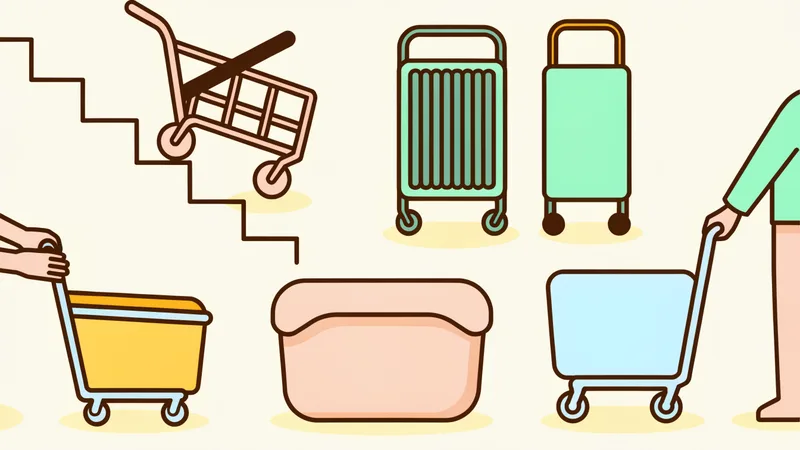
- Rolling trolleys for shoppers who walk home with a heavy load
“Reusable” describes how the bag is meant to be used, not a certification or a tested lifespan. A bag earns the word by holding up to cleaning and loading trip after trip.
Choose reusable shopping bags for the load you actually carry
The right reusable shopping bag depends less on how it looks than on what you carry home.
Cereal boxes and fresh produce occupy space differently from glass bottles. A wide bag that is comfortable for bread may become awkward when filled with heavy jars.
| Type | Best use | Main feature to inspect | Trade-off |
|---|---|---|---|
| Soft reusable tote | Light errands and general groceries | Handle reinforcement | Can sag around heavy items |
| Structured grocery carrier | Cartons, cans and bottles | Stable base, defined sides | Bulkier when empty |
| Foldable shopping bag | Unexpected purchases | Packed dimensions | Thin handles may be uncomfortable |
| Insulated grocery bag | Cold or frozen groceries | Closure and insulation layout | Adds bulk and needs cleaning |
| Mesh produce bag | Loose produce | Washability and opening | Not suitable for all small goods |
| Rolling shopping trolley | Walking with heavier groceries | Wheel size, handle and stair access | Takes storage space |
No bag material guarantees the same carrying capacity across models. Load depends on handle attachment, seams, fabric, dimensions and how weight is distributed.
Use a published manufacturer rating where one exists. Otherwise, load the bag gradually at home and watch the seam where the handles meet the body.
How big should a reusable grocery bag be?
Measure a typical grocery trip rather than buying the largest bag available. Use empty cereal boxes, bottles or other safe household stand-ins to approximate volume and shape.
The base width matters when carrying rigid cartons. A tall but narrow bag can make groceries difficult to unload.
| Grocery trip | Reasonable starting setup | Packing consideration |
|---|---|---|
| A few light items | One compact tote | Easy to fold into a handbag |
| Small household top-up | One medium structured bag | Boxes can remain upright |
| Full grocery trip | Several medium bags | Split heavy and fragile items |
| Long walk from shop | Rolling cart plus small tote | Wheels and sidewalk conditions |
| Frozen or chilled foods | Separate insulated carrier | Keep cold items together |
These are practical configurations, not capacity guarantees. One massive tote may be less manageable than two modest bags.
Glass, canned foods and heavy liquids can concentrate weight at the bottom, while leafy greens may need space without pressure. Use a broad base for rigid groceries and avoid filling above a closure that needs to seal.
Fabric and construction: what actually changes?
Cotton canvas is easy to maintain when the care label allows machine washing. Woven polypropylene and polyester bags are often sold as lighter, flatter-folding options. Nylon foldables are made to pack into a pocket; check the strap width before buying.
Nonwoven fabrics can be inexpensive but their useful life depends on construction and handling. Insulated carriers add liners and foam, making care more complex.
| Material or construction | Practical advantage | What to verify |
|---|---|---|
| Cotton canvas | Familiar soft fabric | Wash method, shrinkage and handles |
| Woven synthetic | Light and easy to structure | Seam strength and manufacturer load rating |
| Foldable nylon or polyester | Compact in a pocket | Handle width and fold points |
| Insulated lining | Separates chilled shopping | Cleaning instructions and closure |
| Reinforced base | Supports box-shaped contents | Whether reinforcement can be removed for cleaning |
Do not read a material name as an environmental ranking. The FTC Green Guides say marketers should not make broad, unqualified claims like “green” or “eco-friendly.” A recycled-content claim should also say how much of the product is recycled, for example “made from 30% recycled material.”
Handles, bases and closures deserve attention
Straps determine how a bag carries when loaded. Broad handles distribute pressure over more of the hand or shoulder than a narrow cord.
The handle drop should permit the intended carrying position without the bag brushing the ground. A shopper wearing a thick coat may need additional shoulder clearance.
Inspect the attachment points. Check whether the handles are stitched only into the top hem or continue down the sides and under the base. Looks alone cannot prove strength, so use a published load rating where one exists.
A stiff base can make groceries stand upright, but may make the bag difficult to wash or fold. Check whether a removable board is protected from spills.
Open-top bags are fast to fill. Zip closures are useful on transit or when groceries might tip.
A zip is not a leakproof seal. An insulated carrier's flap or zip helps hold a steadier interior temperature. It does not replace safe food handling and prompt refrigeration.
Rolling shopping trolleys
A rolling trolley suits shoppers who walk to the store and carry more than two bags' worth home. It works best on routes with smooth sidewalks, ramps and few steps.
Check the wheel diameter first, since larger wheels roll over curbs and cracks more easily than small ones. Then check that the handle reaches a comfortable height for you and whether the bag lifts off the frame for washing. Note the folded size too, since it has to live somewhere between trips.
The trade-off comes at stairs and on buses. A loaded trolley has to be lifted up every step, and even folded it takes floor space on a crowded vehicle. Two shoulder bags may be easier if your route includes a station staircase.
Check the whole route, including storage
Walk through the journey before choosing wheels: checkout, shop entrance, pavement, transport, front door and storage. Identify where you must stop, turn or lift the load.
Check folded measurements with wheels attached. One maker states 22 × 28 × 7 inches folded with wheels, versus 19 × 26 × 4 inches without them.
That difference matters if you intend to store a trolley in a narrow cupboard. Decide whether removing wheels after each trip is a routine you would accept.
Ask about replacement wheels, the folding latch and any removable bag. Inspect how the load is retained when you stop, rather than judging only the trolley's open capacity.
A parking brake may be useful where you load or unload. One maker describes a parking brake and an upper-shelf securing strap; verify equivalent features on the model you consider.
How to read load ratings
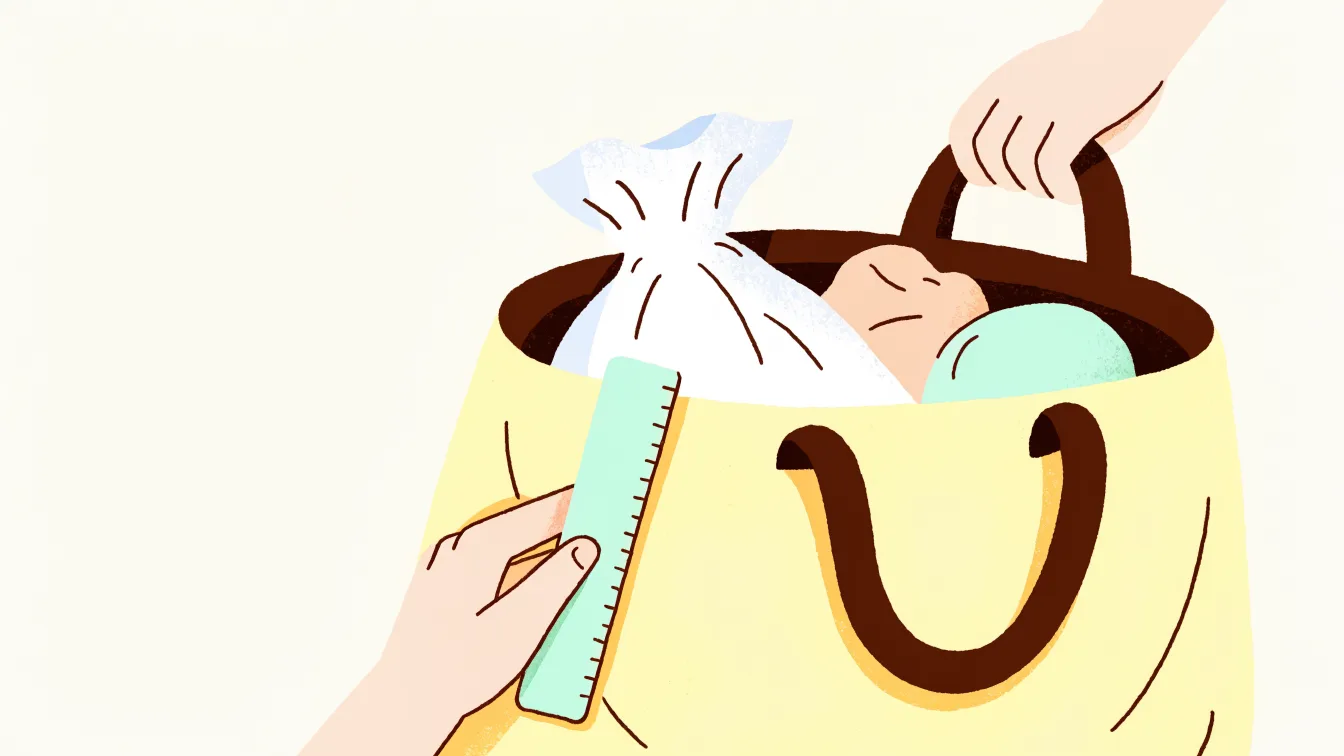
Load ratings appear mostly on trolleys and structured carriers. Separate volume from payload. A liter figure describes space, while a weight rating describes a stated loading limit under the maker's conditions.
Read limits for individual sections as well as the complete frame. One maker's FAQ states 132 pounds total, divided into 44 pounds above and 88 pounds below.
Treat each shelf figure as its own limit for that model. These figures also do not establish how much you can comfortably lift, pull or control on your route.
| Rating detail | Question to ask |
|---|---|
| Whole product | Does the limit include the bag or basket itself? |
| Individual compartment | Is there a separate shelf, handle or pocket limit? |
| Test conditions | Was the rating established for carrying, rolling or stationary loading? |
| Instructions | How must the load be distributed and secured? |
| Missing information | Can the maker supply a written limit for this exact model? |
If a page provides no rating, do not invent one from fabric thickness. Choose a product with clearer guidance when the intended load makes that information important.
Insulated grocery bags: plan the cold-food journey
Choose an insulated carrier around the cold products you actually buy. Check whether the closure can shut fully after allowing room for any cooling materials.
FoodSafety.gov advises refrigerating perishable foods within two hours. That becomes one hour when exposure is to temperatures above 90°F.
Do not treat the word “insulated” as a substitute for that guidance. A bag description alone does not verify the temperature maintained throughout your journey.
Keep raw foods separated even inside a cold-food carrier; the separation rule below applies here too.
Before purchase, inspect the corners where spills would collect. Ask whether the liner is removable and how the maker directs you to clean and dry it.
Lifespan: assess condition rather than a promised number of trips
Set up an inspection routine around cleaning. Look at handle attachments, the bottom, closures and any removable reinforcement before returning the bag to service.
Do not convert “reusable” into an assumed number of years. Ask for the test method and conditions if a maker advertises a specific reuse count.
Retire a bag from food duty if it cannot be cleaned; a torn handle or failed closure may only mean lighter loads or a repair.
A published replacement-part option is more useful than an unsupported promise that a bag will last indefinitely.
Keep raw foods separate and clean bags properly
FoodSafety.gov advises separating raw meat, poultry and seafood from other food in the shopping cart and at checkout. Use separate carriers or sealed bags so leaks do not reach ready-to-eat items.
This is general food-safety guidance; follow the storage directions on the food label and the bag maker's care instructions. Do not rely on a grocery tote alone as a barrier against leaking packages.
At home, empty bags promptly. Inspect handles and corners for residue. Follow the maker’s washing or wiping directions, especially for insulated bags with hidden padding.
Allow the bag to dry before folding it for storage. If a bag holds strong-smelling products, keep it separate from food carriers.
A bag with a torn handle, damaged liner or stained interior needs repair or replacement. Do not leave dirty grocery bags in a hot car; store them clean and dry where you will grab them on the way out.
What does “reusable,” “recyclable” or “recycled” mean?
The labels are not interchangeable. Reusable describes an intended pattern of use; it is not itself a certified environmental result. Recycled content describes material sourced from recovered waste streams.
Recyclable describes whether a material can enter an applicable recovery system. The FTC Green Guides explain that these statements should be substantiated and qualified when needed.
| Claim | Useful follow-up question |
|---|---|
| “Reusable” | How durable is it, and can it be cleaned? |
| “Made with recycled content” | What percentage, and which component? |
| “Recyclable” | Is the finished bag accepted locally? |
| “Eco-friendly” | Which specific benefit has been documented? |
| “Compostable” | Under what conditions and in what collection system? |
Local bag rules also vary: in California, covered stores may provide only recycled paper carryout bags, for a minimum of ten cents per bag. That rule took effect January 1, 2026 (CalRecycle, checked November 19, 2026). Confirm the rule where you shop.
Bring your own bags if you shop in a state or city with a bag law.
Make a small reusable-bag system that lasts
A simple system works better than a growing pile of forgotten bags. Keep one foldable tote in your everyday bag and a few larger carriers at home for planned grocery runs.
Add a dedicated insulated carrier if you often buy chilled items. Give the food-contact bags a predictable cleaning routine.
Assign heavy, rigid items to bags with a stable base, and put delicate groceries in a separate carrier. Do not overfill a single bag merely to reduce the number of trips to the car. If a rolling trolley is part of the setup, test whether it can navigate the actual curbs, steps and transport connections you use.
Periodically check handles, closures and corners. Repair what the maker permits and replace failed components where possible. A small, functional bag collection is easier to use repeatedly than dozens of promotional totes with uncertain fit and strength.
- Mostly drive and buy cartons and jars: structured carriers.
- Walk home with a heavy load: a rolling trolley plus one tote.
- Stop in unplanned: a foldable in your everyday bag.
When you are ready to compare named bags by capacity, load rating and wash care, see best reusable shopping bags.
FAQ
How many reusable grocery bags do I need?
Enough to split heavy, delicate and cold items, which means at least three for a full trip.
Several medium bags may carry more comfortably than one oversized tote. Add a compact foldable bag for unexpected purchases, then adjust after observing which bags you actually use.
Are canvas grocery bags better than plastic bags?
Not as a universal environmental claim. Comparing materials requires evidence about production, reuse, cleaning and disposal.
A canvas bag may be convenient and washable, but its full environmental impact cannot be inferred from fabric alone. The FTC Green Guides caution against broad unsupported green claims.
Can I put raw meat and produce in the same reusable bag?
Keep them separate. FoodSafety.gov recommends separating raw meat, poultry and seafood from other foods during shopping. Use separate bags or sealed leak-resistant packaging so juices cannot contaminate produce and ready-to-eat items.
Do insulated shopping bags keep groceries cold all day?
Do not assume so. Insulation slows temperature changes but does not make food safe indefinitely.
How long groceries stay chilled depends on the weather, the contents and whether you add cold packs. FoodSafety.gov says never to leave perishable food out of refrigeration for more than 2 hours. An insulated bag buys margin on the drive home, not an afternoon.
How do I wash reusable shopping bags?
Follow the manufacturer’s care label. Some fabric totes may be machine washable; insulated or structured bags may require wiping and air drying.
Empty debris, clean food-contact surfaces as directed and dry fully before folding. Check for damaged seams or lining during cleaning.
Related guides
Guides in this section
4 guides sit under this page.