Handbag Styles Explained: Every Type of Purse, and How to Choose
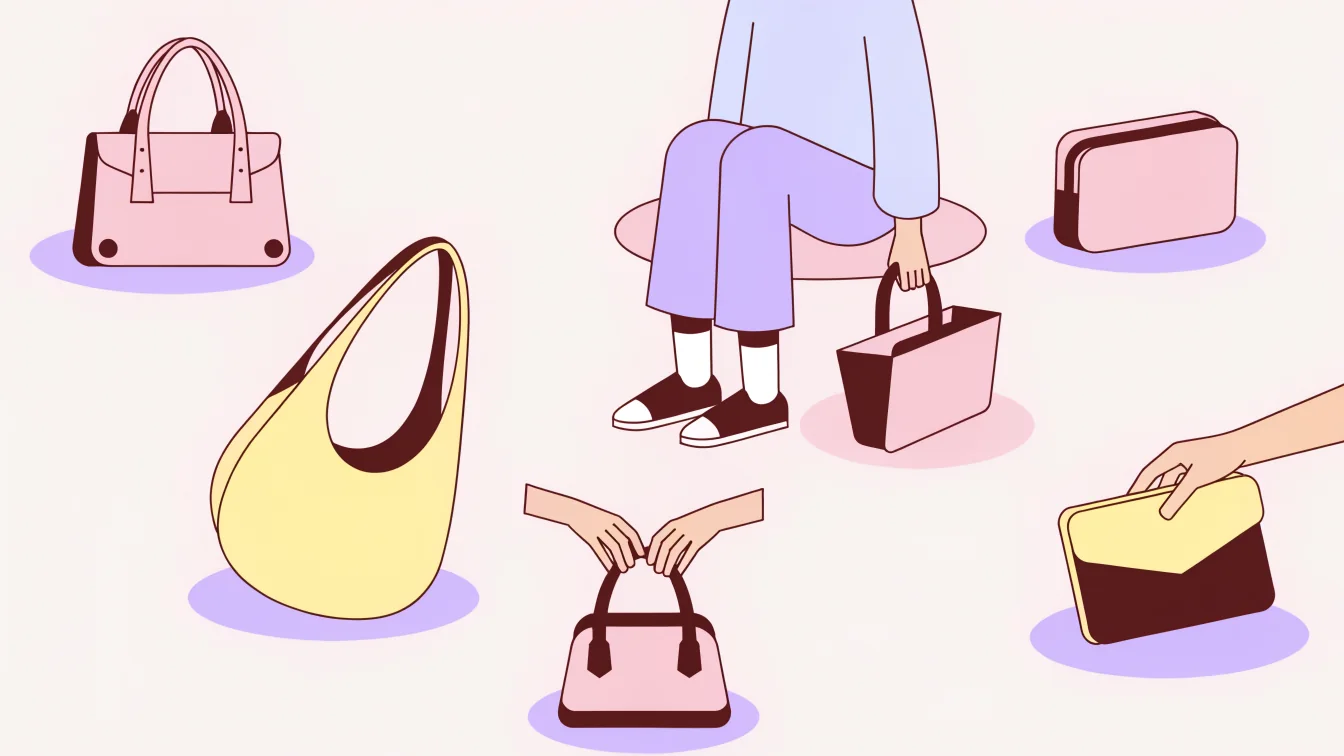
Walk into any bag section and the vocabulary alone is intimidating — satchel, hobo, bucket, baguette, saddle, crossbody. They're not interchangeable; each shape carries differently, holds a different amount, and reads differently with an outfit. This guide is the plain-English map: what every handbag style actually is, and how to choose the ones that fit your life instead of collecting bags you never reach for.
We won't rank "the ten best handbags" — that's a moving, subjective target, and taste is yours. Instead: the styles, decoded; how to pick by occasion, body, and what you carry; and how to build a small handbag lineup that covers almost everything. Style-specific deep dives (crossbody, tote, and more) are linked throughout.
The handbag styles, decoded
Handbags are named mostly by shape and how you carry them. Here's the working glossary:
- Tote — large, open (or top-zip), roomy, with two top handles carried in the hand or on the shoulder. The everyday and work workhorse. (Full guide: tote bags.)
- Shoulder bag — a single strap worn over one shoulder, medium-sized, the classic all-rounder. Sits against your side, easy on and off.
- Crossbody — a long strap worn diagonally across the body, leaving your hands free. The most practical style for travel, errands, and busy days. (Full guide: crossbody bags.)
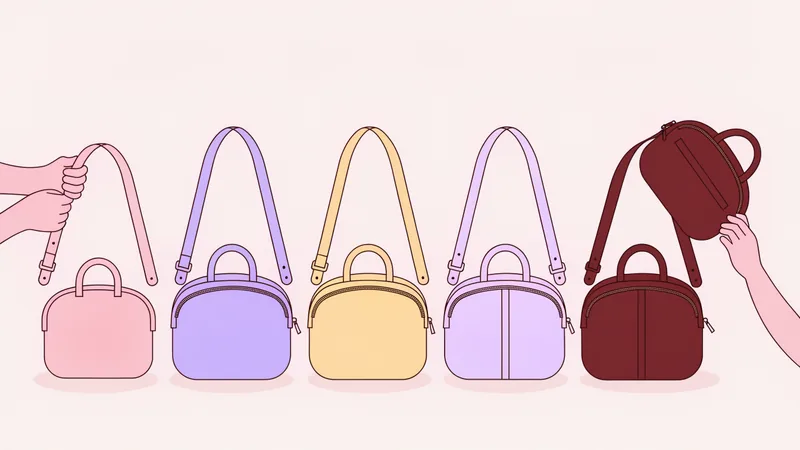
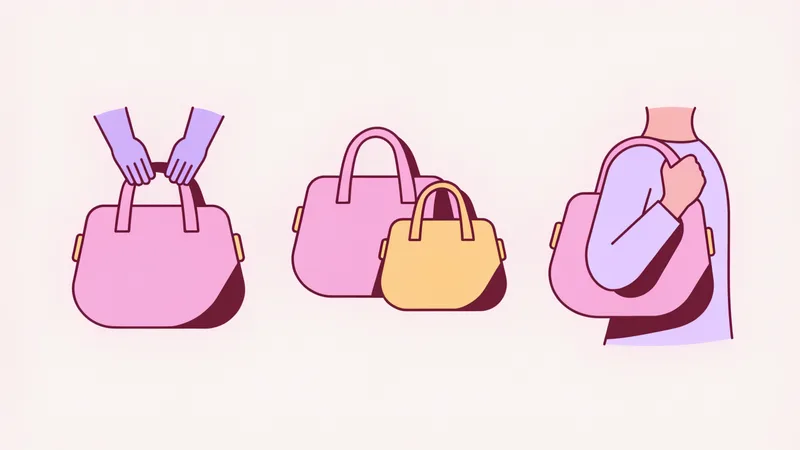
- Satchel — structured and boxy with a flat bottom, a top handle, and usually a detachable crossbody strap. Polished and professional; holds its shape.
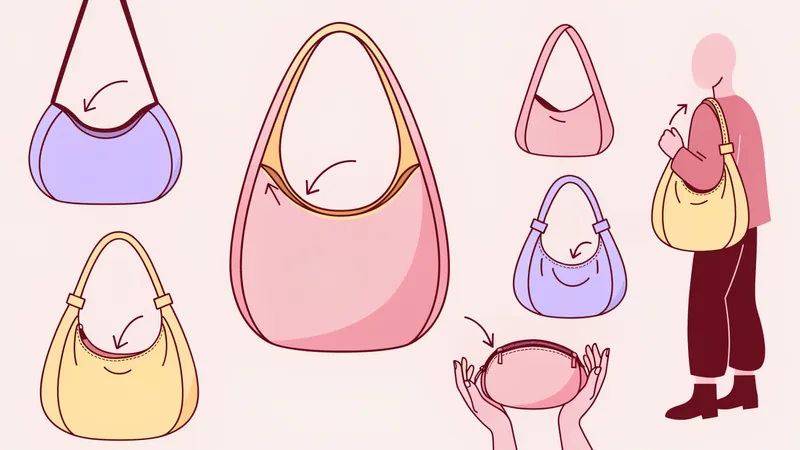
- Hobo — soft, slouchy, crescent-shaped, worn on the shoulder. Relaxed and casual; collapses when not full.
- Bucket bag — a rounded, bottomless-looking shape that cinches at the top with a drawstring. Roomy and casual-cool.
- Clutch — small, handheld, with no strap or a thin chain, made to hold just a few essentials. The evening and occasion bag. (Its own guide is coming.)
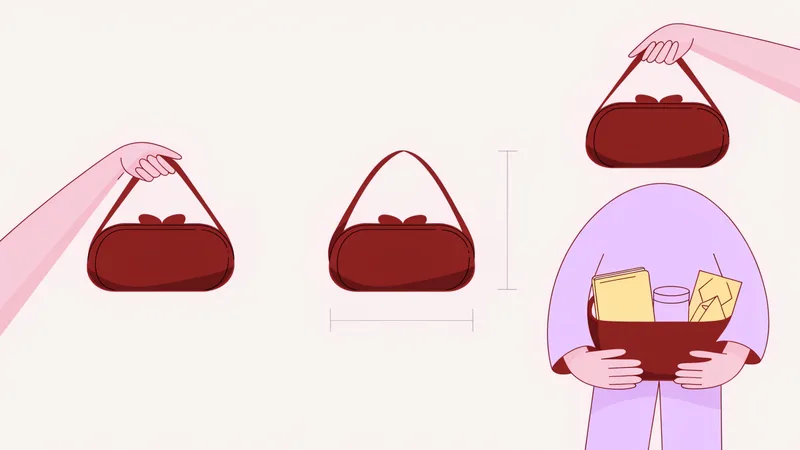
- Baguette — a small, slim shoulder bag with a short strap that tucks neatly under the arm. The famous "it" shape that comes and goes and comes back.
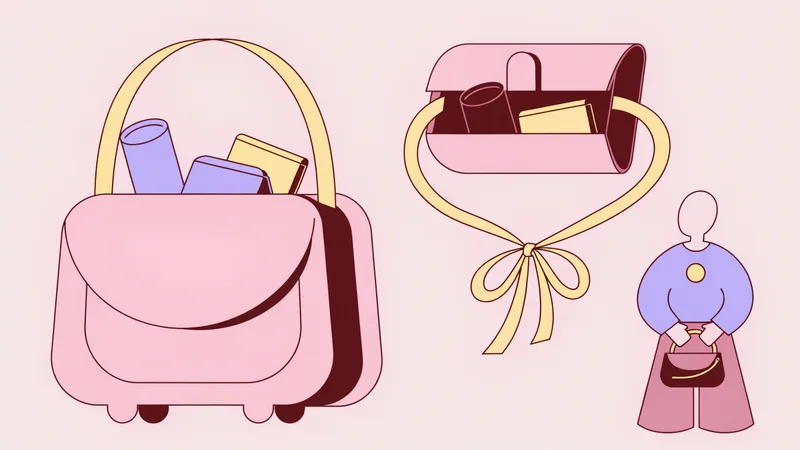
- Top-handle / box bag — structured, ladylike, carried by a short handle (often with an optional strap). A boxy, elegant, dressed-up look.
- Saddle bag — a curved-flap bag shaped like a horse's saddle, usually worn crossbody. Distinctive and vintage-rooted.
- Belt bag (waist bag) — worn at the waist or across the chest, hands-free and casual. (Full guide: fanny packs & belt bags.)
- Backpack purse — a small, fashion-forward backpack that trades the professional look for two-strap comfort.
- Wristlet — a tiny pouch with a strap that loops around your wrist, for phone-plus-cards minimalism.
Most bags on the market are a variation on one of these. Once you can name the shape, you can shop with intent instead of scrolling endlessly.
How to choose a handbag (the four questions that matter)
Skip "which is prettiest" for a moment and answer these four — they'll narrow the field fast:
1. What's the occasion? Everyday and work want a roomy, sturdy tote, shoulder bag, or satchel. Hands-free days (travel, errands, chasing kids) want a crossbody or belt bag. Evenings and special occasions want a clutch or a small elegant shoulder or top-handle bag.
2. What do you actually carry? Be honest. Phone, keys, a small wallet? A crossbody or shoulder bag is plenty. Laptop, water bottle, a change of shoes? You need a proper tote or work bag with structure — a pretty little bag that can't hold your life is a bag you'll resent.
3. What suits your frame? A useful styling principle: bag scale should balance your body. Broadly, smaller bags flatter petite frames while larger bags balance taller ones, and a very large bag can overwhelm a small person (and vice versa). A long crossbody strap visually elongates; a structured bag reads more formal than a slouchy one. These are guidelines, not rules — carry what makes you feel good.
4. How does it fit your life and wardrobe? A bag you have to baby, or that only works with one outfit, sits in the closet. The bags you'll actually use are the ones that match your daily routine and go with most of what you wear — which is the whole logic behind building a small, versatile lineup.
Building a handbag lineup that covers (almost) everything

You don't need a wall of bags — you need a few that each do a clear job. A versatile starting set for most people:
- An everyday bag — a tote or medium shoulder bag in a neutral color (black, brown, or tan) that goes with almost everything and holds a real day's worth of stuff.
- A hands-free bag — a crossbody or belt bag for travel, errands, and busy days when you can't be holding a handle.
- An evening/occasion bag — a clutch or small elegant bag for dinners, weddings, and nights out.
That trio handles the large majority of real life. From there you add for specific needs — a structured satchel for a formal job, a big tote for the beach or the gym, a fun color as a statement piece. The goal is bags that earn their place, not a collection that gathers dust.
A note on materials and quality
What a handbag is made of drives how it looks, lasts, and ages. Leather is the classic (and the grades matter — full-grain and top-grain are the durable, ages-beautifully options; "genuine leather" is actually a lower grade; vegan/PU is synthetic). Canvas is casual and hard-wearing; nylon is light and practical. Our materials guide breaks down the full ladder, and our care guide covers keeping a leather bag looking good for years — worth reading before you invest in a bag you want to keep.
On brands, trends, and "the best" bag
Two questions come up constantly, and both deserve an honest answer rather than a fake ranking:
Which brand is "best"? There's no single answer — it depends on your budget and what you value. The famous luxury houses (Hermès, Chanel, Louis Vuitton and the like) are the classic names for heritage and resale value, mid-range brands offer real quality without the luxury price, and plenty of lesser-known makers punch above their price. "Best" is the bag that fits your life and budget and that you'll genuinely use.
What's trending? Handbag trends shift every season — shapes, colors, and "it" bags rotate constantly — so any specific trend claim dates fast. Rather than chase the current moment, most people are better served buying shapes and colors they'll still love in three years, and treating trends as an occasional fun addition, not the foundation. For what's current right now, check this season's coverage rather than a guide written months ago.
Frequently asked questions
What are the different types of handbags?
The main styles are the tote (large, open, two handles), shoulder bag (single strap over the shoulder), crossbody (long strap worn across the body, hands-free), satchel (structured with a top handle), hobo (soft and slouchy), bucket bag (drawstring top), clutch (small, handheld, for evenings), baguette (small with a short strap), top-handle/box bag (structured and elegant), and saddle bag (curved crossbody). Most bags are a variation on one of these shapes.
What are the most popular handbag styles right now?
Specific "it" bags change every season, so the honest answer is to check current-season coverage for the exact shapes and colors trending at the moment. That said, a few styles are perennial rather than trend-driven — the tote, the crossbody, and the shoulder bag stay popular year after year because they're genuinely practical. Those are safer buys than chasing a shape that may feel dated in a year.
How do I pick a handbag for my body type?
The general styling principle is to balance the bag's scale against your frame: smaller, structured bags tend to flatter petite builds, while larger bags balance taller frames, and you avoid a bag so big or so small it overwhelms your proportions. A long crossbody strap visually lengthens the body. These are guidelines, not rules — the most important thing is carrying a bag that holds what you need and makes you feel good.
What color purse should every woman own?
A neutral is the most versatile foundation — black, brown, or tan — because it goes with almost every outfit and works across seasons and occasions. If you're building a small lineup, start with a neutral everyday bag, then add color or a statement piece once your practical bases are covered. A neutral is the bag you'll reach for most, which makes it the one worth investing in first.
How many handbags do I actually need?
Fewer than you'd think — most people are well covered by three: a roomy everyday bag (tote or shoulder), a hands-free crossbody or belt bag, and a small clutch or evening bag. That trio handles work, errands, travel, and nights out. Beyond that, add bags only for specific recurring needs rather than accumulating a collection you don't use; the bags that earn their place are the ones that match your real routine.
What's the difference between a satchel and a hobo bag?
They're near opposites in feel. A satchel is structured and boxy, holds its shape whether full or empty, and has a top handle (usually with a crossbody strap) — a polished, professional look. A hobo is soft and slouchy, made of unstructured material that collapses and drapes, with a crescent shape worn on the shoulder — a relaxed, casual look. Choose the satchel for structure and polish, the hobo for an easygoing, roomy everyday bag.
Guides in this section
26 guides sit under this page.
Roundups
Best affordable handbags
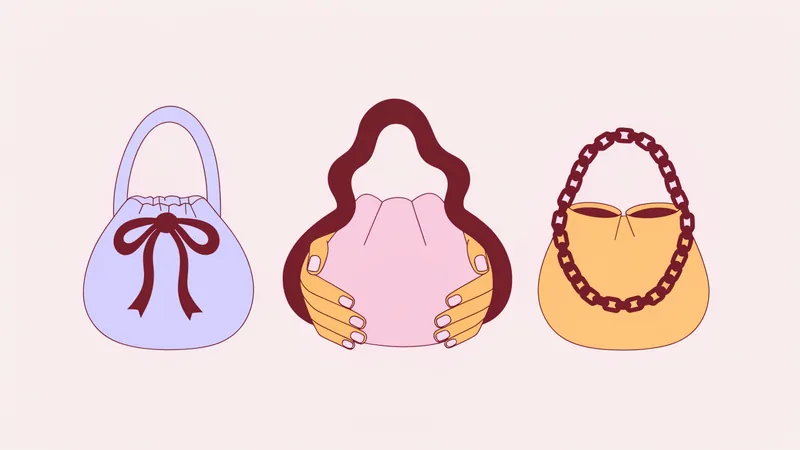
Best bucket bags
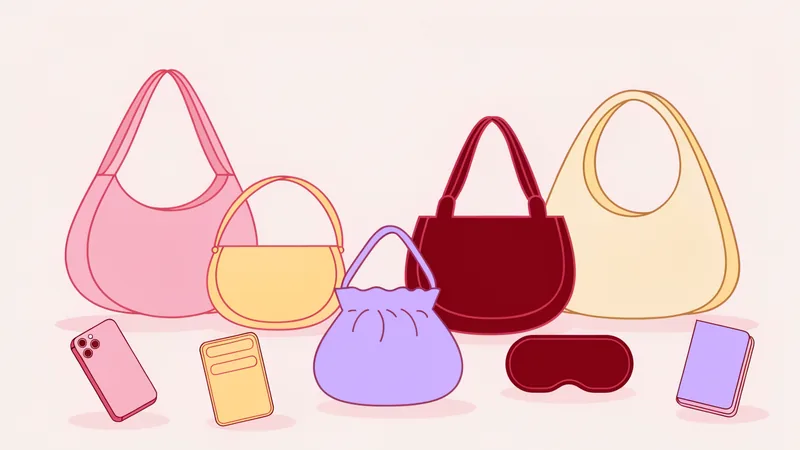
Best everyday handbags
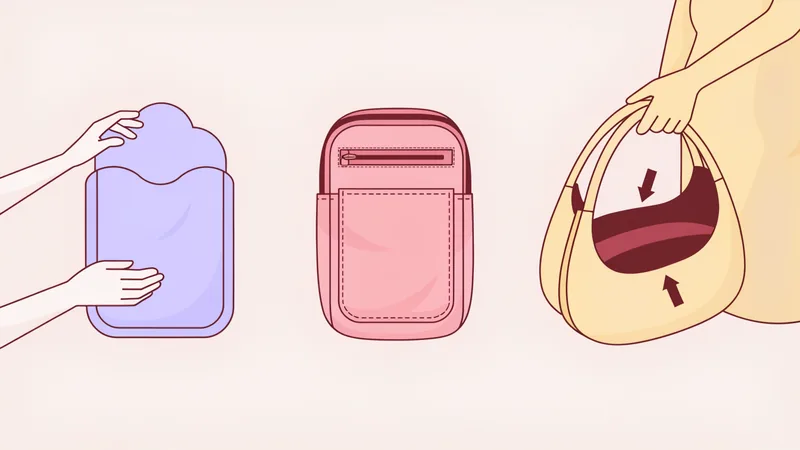
Best handbag organizers and inserts
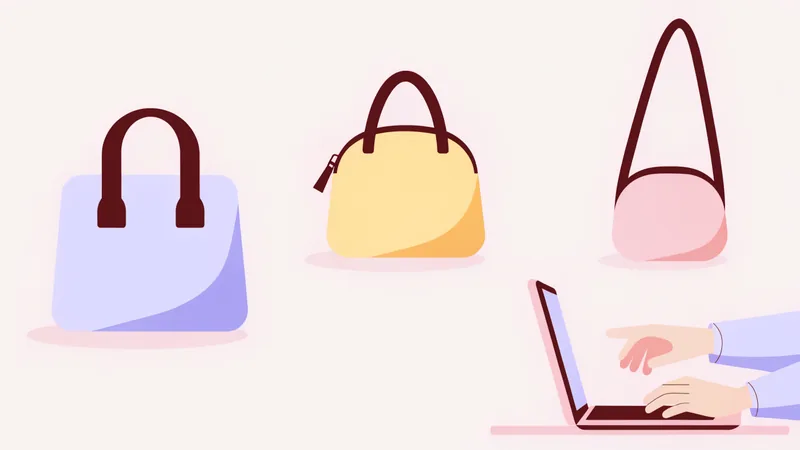
Best handbags for work
Best hobo bags
Best leather handbags worth the investment
Best mini bags
Best satchel bags
Best shoulder bags
Best top-handle bags
Best vegan leather handbags
Guides

Bag charms, scarves and straps: ways to personalize
Bag colors: the most versatile shades
Baguette bags
Bowling bags
Doctor bags and Gladstone bags
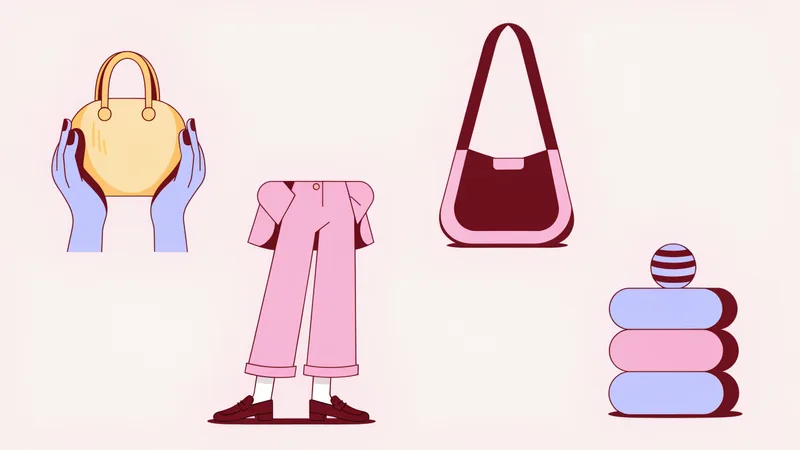
How to match a bag to an outfit
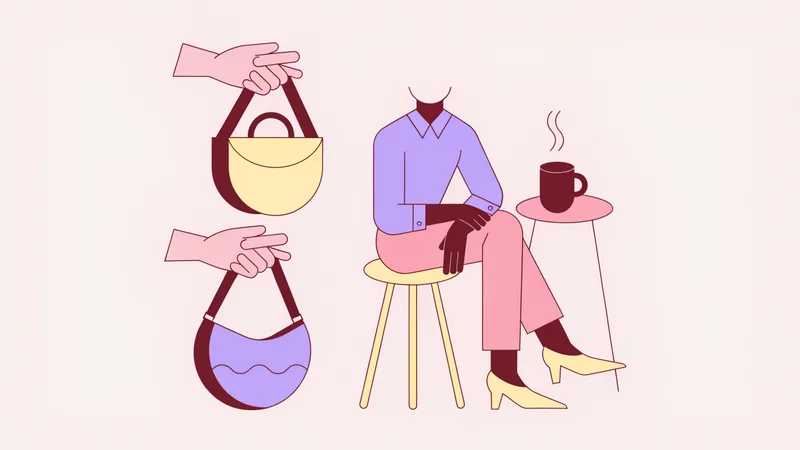
Matching bags and shoes: the rules and when to break them

Monogramming and custom bags

Quilted bags
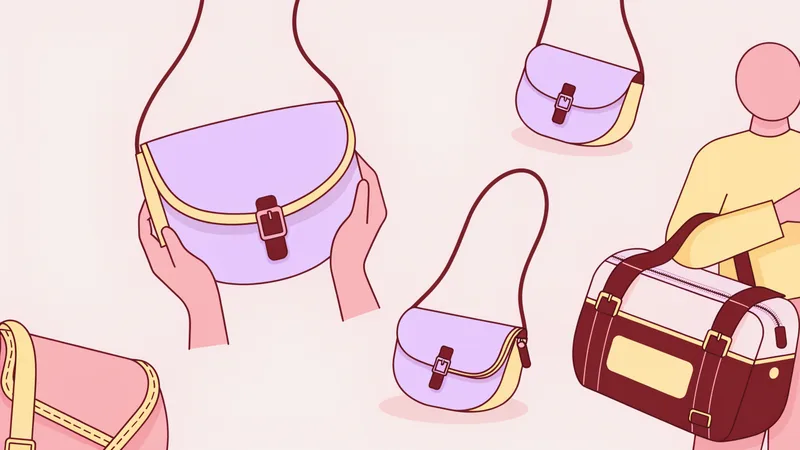
Saddle bags
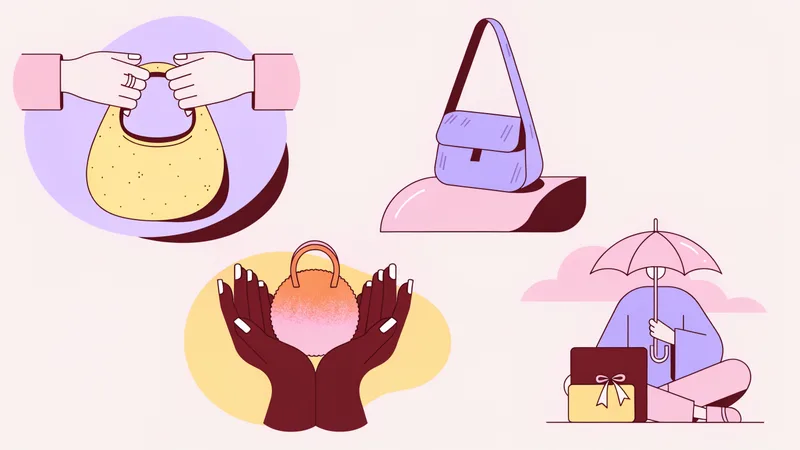
Seasonal bags: what changes from summer to winter