Seasonal bags: what changes from summer to winter
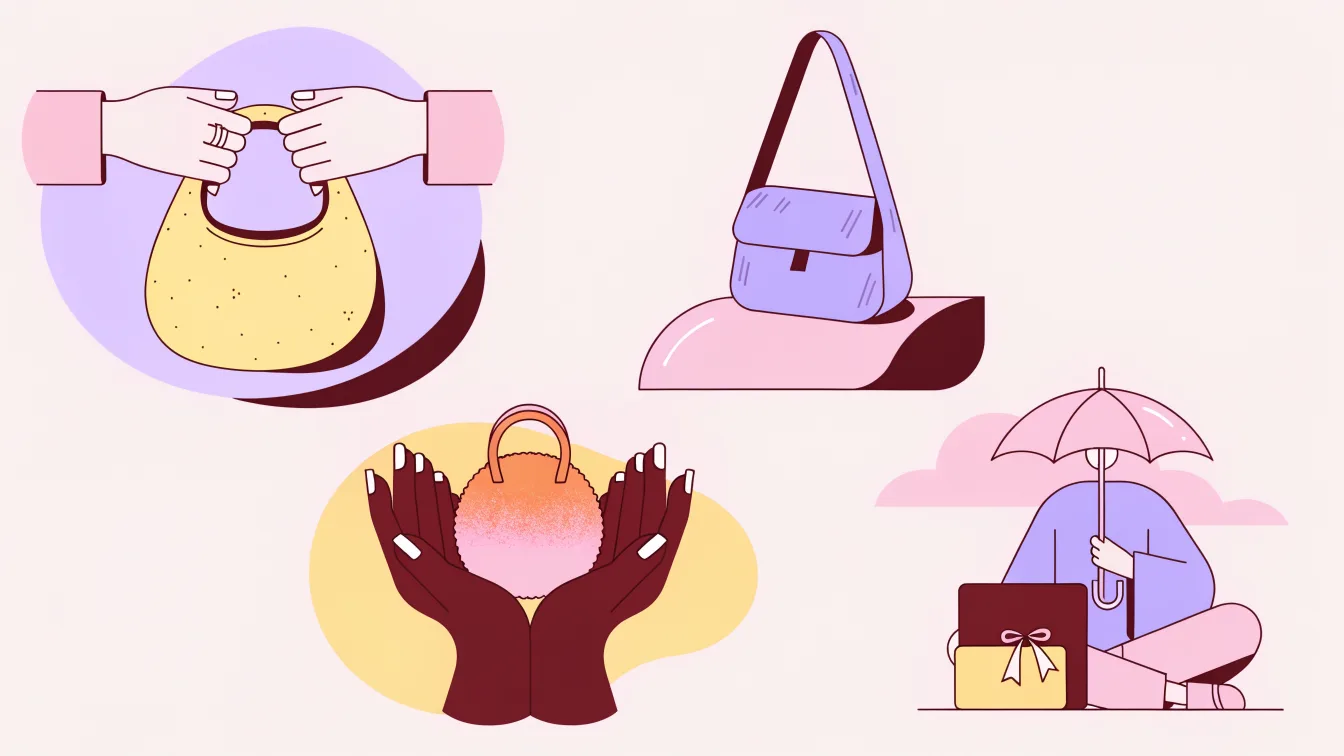
Compare summer bags vs winter bags by the weather, clothing and belongings involved, rather than treating the calendar as a dress code. Keep your existing bag if it still works. Change the carry arrangement, material or capacity for a specific need.
Summer bags vs winter bags: what actually needs to change?
Start with the conditions of your own day. Consider the route, outerwear and additional belongings before choosing a different bag.
Use this table as a planning exercise. Its suggested changes are practical options, not rules about what belongs in a particular month.
| Change in your routine | What to try first | When another bag may help | Detail to compare |
|---|---|---|---|
| Adding a substantial coat | Adjust the strap over the actual coat | The intended carry method no longer works | Strap adjustment and handle clearance |
| Carrying sunglasses or a layer | Repack the existing main compartment | Your usual essentials no longer fit together | Usable space and opening |
| Walking through wet weather | Read the exact bag's exposure instructions | Its intended conditions exclude your route | Whole-bag protection and closure |
| Switching clothing colors | Repeat a color already in the outfit | You want a separate visual option | Actual shade and hardware |
| Moving between outdoor and indoor events | Plan where extra belongings will go | Different activities require distinct loads | Carry method and access |
Begin with the handbags guide if you need another shape. Keep appearance and weather suitability as separate decisions while comparing the options.
Choose materials for the actual exposure
Read the maker's material description and care instructions together. Identify the body, trim, lining and strap before deciding how you will use the bag.
Do not choose a surface solely because you associate it with cold weather. Coach's guidance specifically advises against exposing its suede to water.
For a wet-weather commute, look for the exact product's intended exposure. Give the closure and seams the same attention as the main material description.
If a listing describes only the fabric, request information about the assembled bag. Avoid extending a panel-material claim to everything inside the bag.
For a dry outing, you may prefer a woven texture or a softer surface. Treat that as a visual choice after settling the practical requirements.
For a beach visit, make a separate packing decision for the belongings you intend to carry. Do not assume an open woven bag provides protection.
The guide to waterproof versus water-resistant bags explains the distinctions to look for. Follow the maker's instructions for your own item rather than adopting a treatment based on appearance.
Use seasonal colors as an optional styling tool
Try a light bag with pale clothing if you like a close color connection. Then compare a darker bag as an intentional contrast.
With dark outerwear, reverse the exercise. A deep shade can repeat the clothing, while a pale or bright bag can become the accent.
Keep whichever relationship you enjoy. You do not need to retire cream when the weather turns cold or black when the days become warmer.
For texture, compare a woven bag with a smooth jacket. Then try a smooth bag with the same clothes to isolate the difference.
Use the complete outfit, including your usual outer layer. Avoid judging a bag against an indoor outfit if you will wear the coat for most of the journey.
The versatile bag colors guide gives you a way to compare shades across the wardrobe you actually use.
Keep a favorite color in the rotation if its function and care remain suitable. A season can inspire a different look without requiring a separate purchase.
Fit straps and capacity over your seasonal clothing

Put on your normal outerwear before testing the carry method. Keep the bag packed with the belongings you expect to take.
For shoulder carry, try placing the handles over the coat without changing your intended posture. Decide whether you can put the bag on and remove it easily.
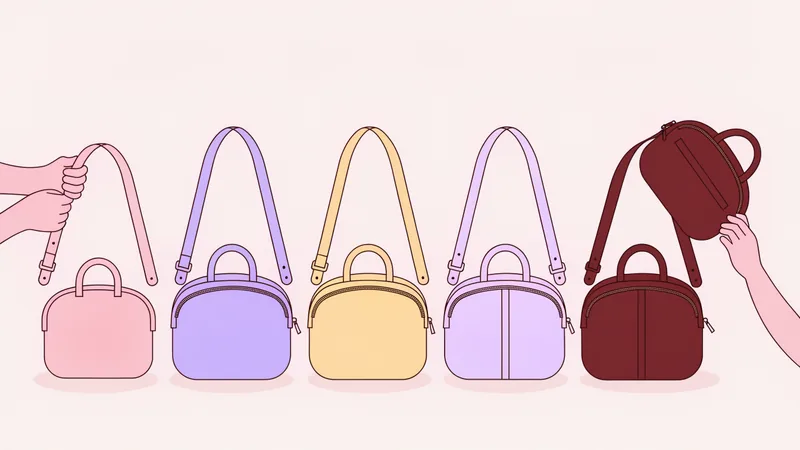
For a crossbody, use the adjustment provided by the maker. Try sitting down and reaching into the bag before settling the length.
If the existing strap cannot provide the arrangement you want, consider another intended carry option. Do not improvise attachments to force a preferred look.
Next, add seasonal extras to the packing trial. Include the glasses case, compact umbrella or removable layer you actually take, rather than hypothetical belongings.
Give frequently used items a deliberate place. Repeat the trial with the closure fastened normally and all intended pockets occupied.
Choose more capacity only when the packed trial identifies a gap. The bag strap guide can help you describe the measurements and adjustment you need.
Change over and store a bag in a useful order
Before putting a bag aside, read its specific care and storage instructions. Choose cleaning methods for the actual finish, including any contrasting trim.
Longchamp's instructions include storage in its original bag with tissue paper and protection from strong light. Use the instructions supplied for your own item.
- Empty the bag, including small pockets.
- Set aside the objects that must move to the next bag.
- Inspect the body, lining, closures and attachments.
- Follow the maker's cleaning instructions where cleaning is needed.
- Complete the specified drying process before storage.
- Use the recommended storage arrangement.
- Pack the replacement bag and test its closure and carry method.
Keep a short transfer list if you change bags regularly. Include keys, cards, glasses and any other item that belongs in every daily packing plan.
Do not apply the same conditioner or spray to every material. Resolve compatibility with the maker before treatment.
For more detail, use storing handbags alongside the bag's own guidance.
Common mistakes when changing bags by season
Avoid buying a new seasonal bag before trying the one you own with the new outerwear. A strap adjustment may settle the practical issue.
Avoid treating a pale shade as evidence of delicate construction. Read the exact finish and care information instead of inferring performance from color.
Avoid treating a darker bag as suitable for every wet outing. Match the intended exposure to your actual route before relying on it.
Avoid storing a bag simply because you no longer like its outfit pairing. Try another color connection or carry method before deciding it has no useful role.
Avoid applying a weather treatment without material-specific guidance. Keep the product instructions available for the next changeover.
When comparing summer bags vs winter bags, make the transfer practical as well as visual. Repack essentials and retrieve an item before leaving home.
If your existing arrangement works throughout the year, keep using it. Make a change because you have identified a different job or genuinely want another look, rather than a compulsory seasonal rule.
FAQ
Can I carry a black bag in summer?
Yes. Try it with your usual warm-weather clothes and decide whether you prefer repetition or contrast. Choose its capacity and material around the actual outing. A dark color does not require a separate seasonal wardrobe, and the calendar alone does not establish a reason to replace a useful bag.
Can a light-colored bag work with a winter coat?
Yes. Compare the actual bag and coat together, including the strap and hardware. Try a pale bag as a deliberate contrast or repeat a lighter detail elsewhere. Confirm the carry method over the coat, then use the bag's own care instructions for the conditions you expect.
Do I need a separate bag for wet weather?
First compare your current bag's stated exposure limits with your route. If it cannot serve the conditions, consider another arrangement or a different bag intended for them. Do not judge protection from color or a seasonal label. Read the instructions for the complete item before relying on it.
Should I put all woven bags away after summer?
You can keep using a woven bag if you like it with your clothes and its intended use fits the outing. Read the exact material and care details. Decide separately whether it provides the carrying arrangement you need. A texture preference does not create a universal seasonal deadline.