Bag straps explained: width, padding and drop length
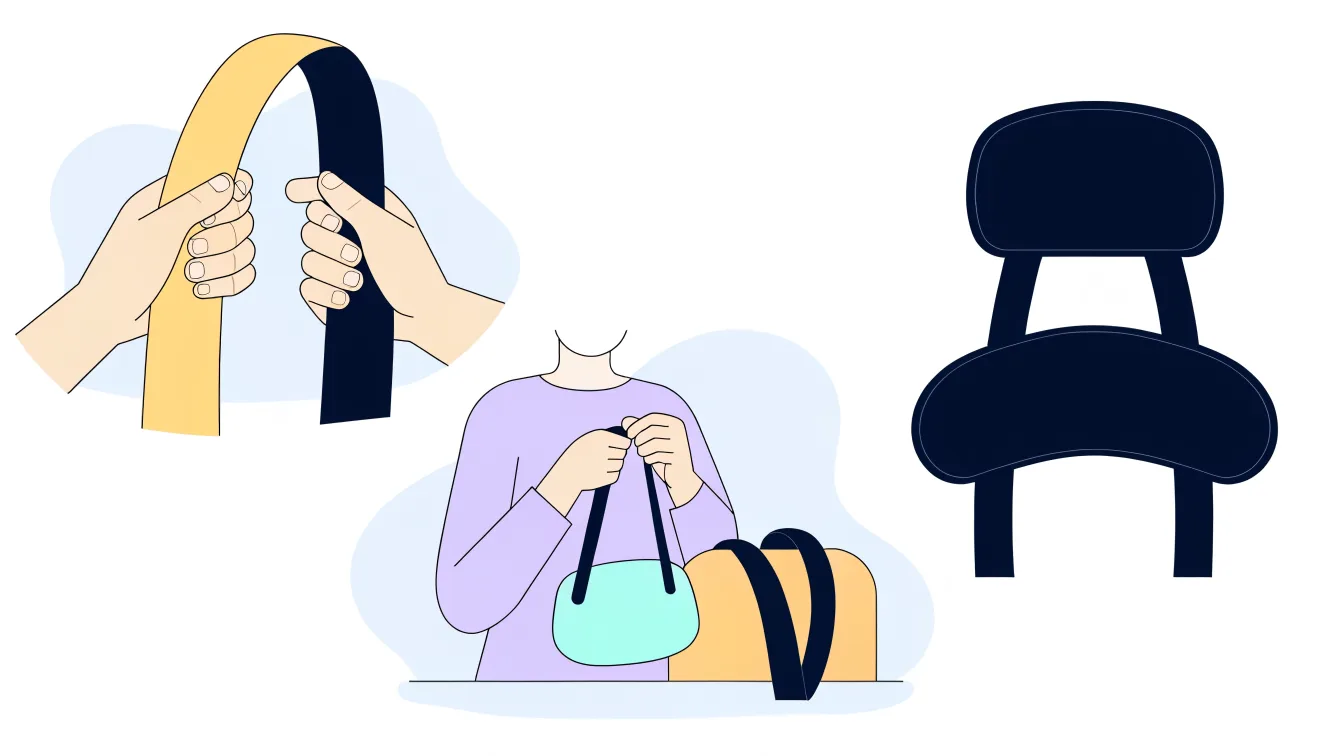
Your strap drop length is the vertical distance between the raised strap's inside peak and the bag's top edge. Measurement guide Use that measurement to compare carrying height; assess width, padding, and adjustment separately when deciding how a bag should fit.
How to measure strap drop length
Start with a bag you already carry comfortably. Record its measurements before comparing another design, following the maker's vertical measurement method.
- Stand the bag upright on a level surface.
- Raise the strap without stretching it.
- Measure vertically from the inside peak to the top edge of the bag.
- Record the shortest setting if the strap adjusts.
- Record the longest setting separately.
Label your notes clearly. A number without its measurement name is surprisingly unhelpful when comparing two product descriptions.
| Measurement | What it describes | How to use it |
|---|---|---|
| Drop | Vertical clearance above the bag body | Compare with a bag whose carrying position you like |
| Total length | Strap measured end to end | Compare replacement straps using the same endpoint convention |
| Width | Distance across the strap | Record the shoulder-contact section separately from narrow ends |
| Adjustment range | Shortest through longest available setting | Look for room to change carrying position |
The drop and length distinctions follow the makers' measurement guidance and strap sizing explanation. The comparison suggestions are practical fitting checks.
For the rest of the bag, use the bag measurement guide.
What width tells you about carrying a load
Treat width as one part of the fit assessment. Avoid choosing a strap by its width alone or assigning it a carrying limit yourself.
For children's school backpacks, the AAP recommends broad, padded straps and using both shoulders. It also advises keeping both straps even in length.
That guidance does not provide a formula connecting a particular strap width to a permitted load. Follow the bag's instructions for any stated carrying limit.
When comparing bags, make a simple inventory of what you intend to carry. Separate occasional extras from the items that travel every day.
Then examine the shoulder-contact area with that inventory in mind. Note where a strap narrows, where its seams sit, and where the adjuster rests.
For an existing bag, assess it with your usual contents and clothing. Treat persistent discomfort as a reason to change the setup and seek appropriate advice.
For children with ongoing back pain, speak with their pediatrician. This is general fit guidance, not a diagnosis.
The bag construction guide explains how straps relate to the rest of the carrying system.
Padding shape matters alongside thickness
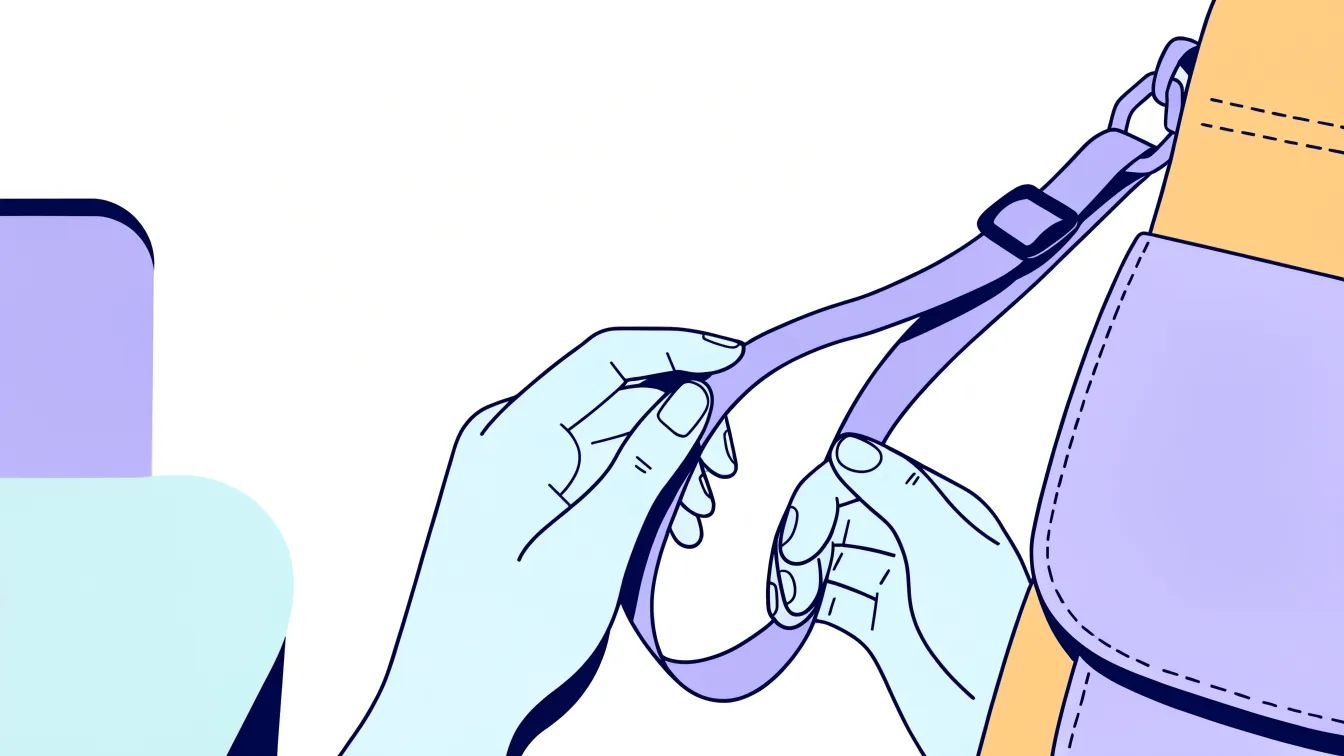
A padded strap deserves more attention than a squeeze between your fingers. Inspect its outline, the position of the padding, and its edges.
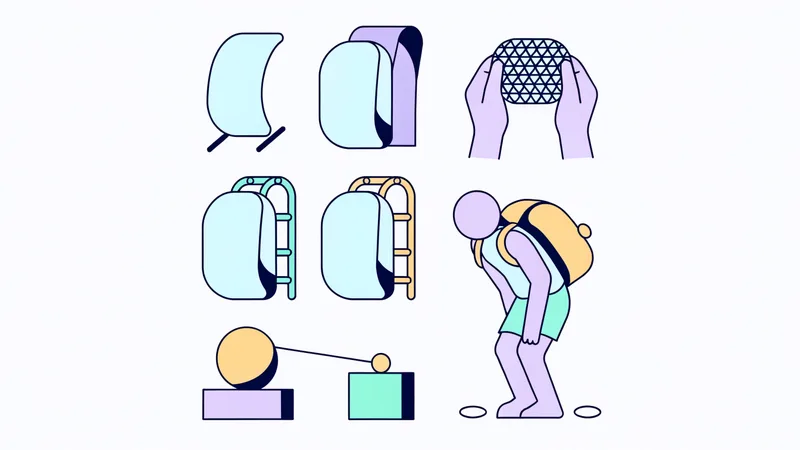
In a 2021 study published in the Journal of Science and Cycling, 14 men tried six backpack configurations. Researchers measured pressure during stationary cycling.
The modified strap shape reduced average and peak pressure compared with the original design. A particular layered padding combination also reduced average pressure.
Those findings concern the tested configurations and cycling position. They do not establish a universally superior foam, curve, or thickness for every bag.
Use them as a reason to examine the whole strap rather than judging a photograph by padding thickness.
Compare straight and curved outlines against your own preferred fit. Look for a continuous contact area, and note any edge that presses awkwardly.
For a movable shoulder pad, try placing it where you want support. Notice whether the pad stays there during your normal movements.
For a backpack, consider the harness as a whole. The backpack suspension guide explains the relationship between shoulder straps, back panels, and supporting components.
What it means when you shop
Make a comparison note before reading product descriptions. Include your reference bag's drop, total strap length, and preferred carrying position.
Add the clothing you expect to wear. Compare the proposed setup over that clothing rather than relying on a model photograph.
For a replacement strap, match measurement conventions carefully. One strap maker explicitly measures end to end and describes drop conversions as estimates.
Ask for clarification when a listing says only "length." Establish whether the figure describes the detached strap or the clearance above the bag.
Also establish whether the published length includes its clips. Record the seller's answer alongside the measurement instead of assuming another maker uses the same convention.
Inspect the attachment arrangement before selecting a replacement. Confirm compatibility with the bag maker, including the intended hardware and carrying use.
If the strap adjusts, compare the full range with your reference measurements. Avoid choosing a range whose endpoint barely reaches your preferred setting.
Finally, assess access. Practice reaching the opening with the strap in your chosen position. Use the crossbody strap guide for a more focused fit comparison.
Measurement shortcuts that can mislead
Halving the total length gives an exact drop. Avoid that shortcut. The strap maker's conversion table describes its figures as estimates.
As a practical comparison, measure the assembled bag directly whenever possible. Keep any estimated conversion labeled as an estimate in your notes.
Extra padding guarantees comfort. The AAP specifically cautions that more padding does not translate to less pain.
Assess position and adjustment alongside the padding. For a school backpack, use the pediatric guidance in its intended context.
A measurement shown on a model guarantees the same position on you. Use photographs to understand the design, then make your own fitting comparison.
Choose a reference point you can repeat. For example, note where you want the bag's top edge while wearing your usual jacket.
Keep these observations separate from material and strength claims. A preferred carrying position is a personal fit decision; any published load limit belongs to the manufacturer's instructions.

FAQ
Is strap drop the same as strap length?
No. Drop measures vertical clearance above the bag, while total length follows the strap from end to end. Measurement definitions When comparing listings, label each number. For a replacement strap, establish the seller's measurement convention before comparing it with the strap already attached to your bag.
What is a comfortable strap drop length?
Use a bag you already find comfortable as your starting reference. Measure its drop, then compare the proposed bag while wearing your usual clothing. The maker's fit guidance notes that height, build, and clothing affect the result. Treat published style categories as starting points for fitting.
Are wider backpack straps always better?
For children's school backpacks, AAP guidance favors two broad, padded straps. That is not a universal width ranking for every carrying task. Evaluate the assembled bag, its adjustment, and the intended contents. Use the maker's instructions for carrying limits rather than calculating a limit from strap width.
Should I choose straight or curved padded straps?
Compare how each shape fits you. A 2021 cycling study found pressure differences between specific strap configurations, but its results do not select a shape for everyone. Inspect the edges and contact area with your usual contents. Seek clinical advice for persistent pain rather than treating padding as a remedy.