Diaper Bags: How to Choose One (and What to Pack in It)
A diaper bag is really a portable command center for a small human — and the right one makes leaving the house with a baby feel possible instead of overwhelming. The trick is matching the style to how you get around, then packing it so you're never caught without a wipe. This guide covers the bag types, the features that actually matter, a complete essentials checklist, and the honest answer to "can't I just use a backpack I already own?"
We won't rank ten bags we supposedly tested through the newborn months. Instead: the styles decoded, what to look for, what to pack, and how the choice differs for dads — so you pick a bag that pulls its weight on every outing.
The diaper bag styles
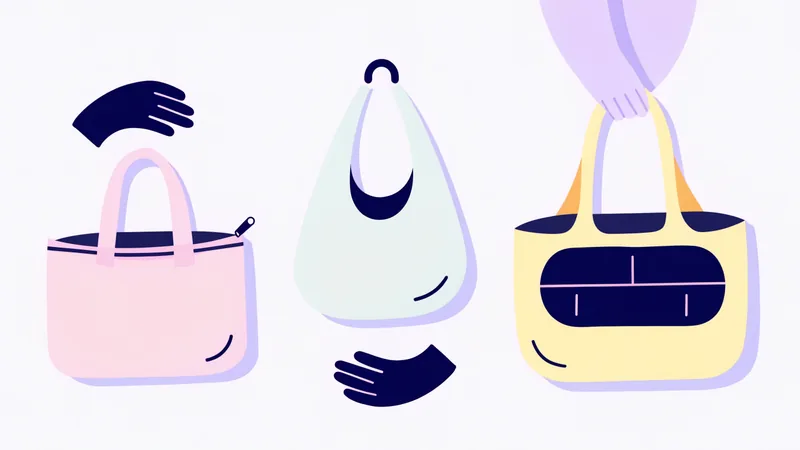
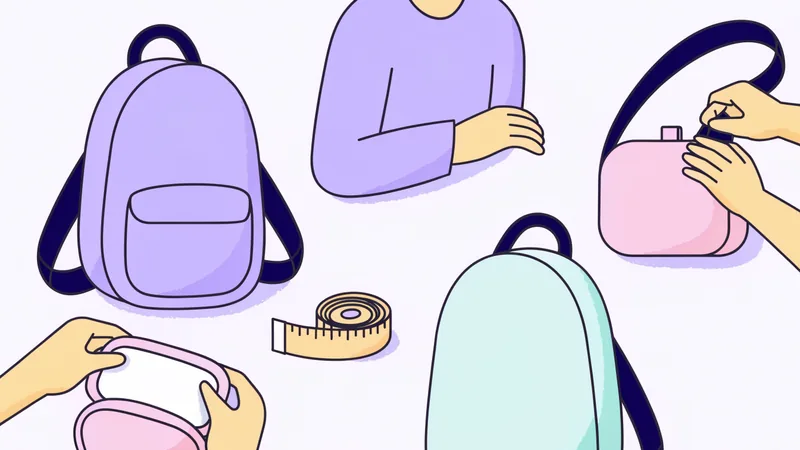
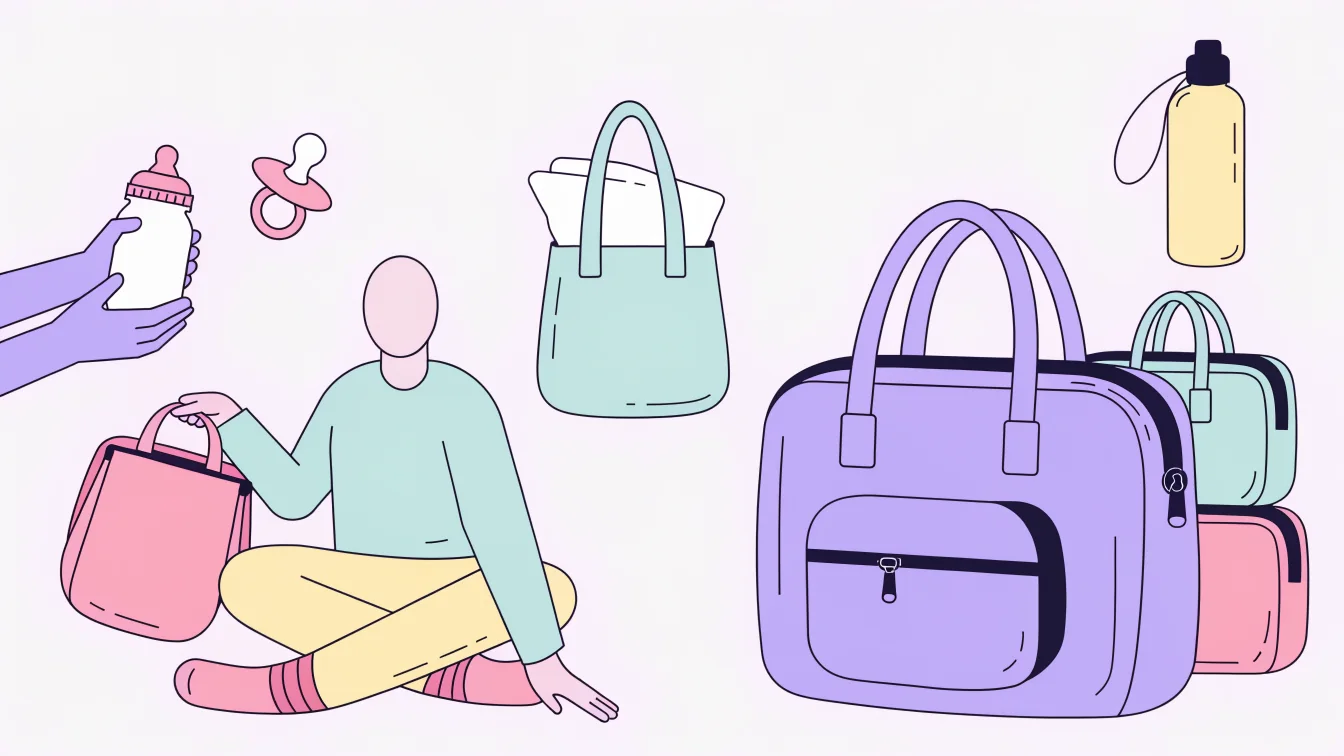
Four main shapes, each suited to a different parent and outing:
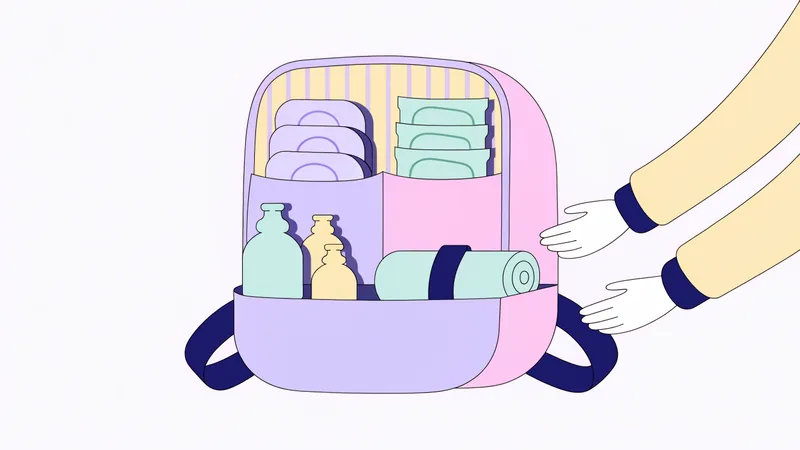
- Diaper bag backpack — the modern default, and for good reason: two straps mean hands-free carrying (essential when you're also holding a baby or a stroller), even weight, and a look that works for any parent. The most popular and most practical choice.
- Tote — stylish, with easy open-top access and a look that doubles as a regular bag. Great for quick grabs, but it hangs on one shoulder, which tires you on long days.
- Crossbody / belt bag — a minimalist, hands-free option for short outings when you only need a couple of diapers, wipes, and the essentials. Not a full-day bag, but perfect for a quick trip.
- Convertible — bags that switch between backpack, tote, and crossbody carry, so you adapt to the outing. Maximum flexibility if you want one bag for everything.
For most parents, a diaper bag backpack is the sweet spot — hands-free, roomy, comfortable, and unisex.
Can you just use a regular backpack?
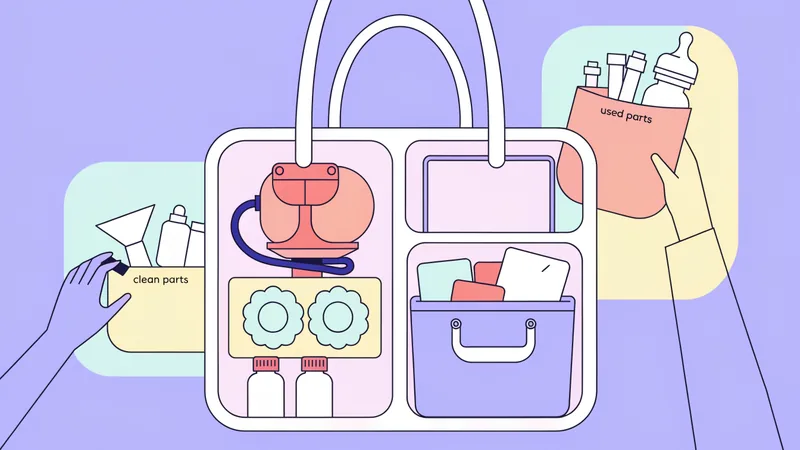
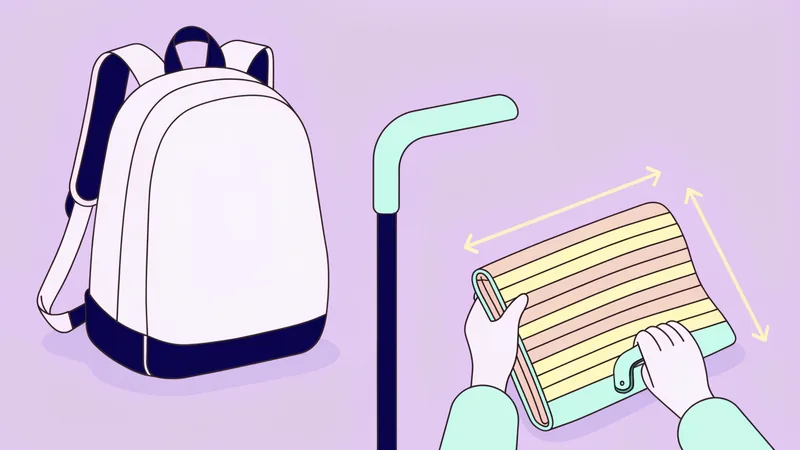
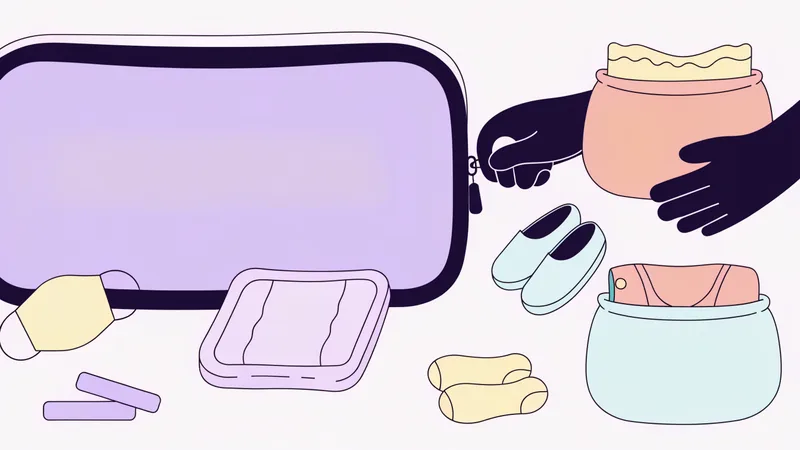
Honestly? Yes — with a little adapting. A regular backpack or tote becomes a functional diaper bag once you add a changing pad and a few pouches to organize diapers, wipes, and bottles. Plenty of parents do exactly this.
What a dedicated diaper bag adds is convenience built in: insulated bottle pockets, an easy-access wipe pocket, an included changing pad, a wipe-clean lining for the inevitable spills, and stroller straps. None of that is magic you can't replicate — but it's genuinely handy when you're one-handed and a baby is crying. So: a regular bag works, a dedicated one just makes the messy moments easier.
The features that actually matter
When comparing dedicated diaper bags, these earn their keep:
- Insulated bottle pockets — keep bottles warm or cool and upright, ideally reachable from the outside.
- An easy-access wipe pocket — because you need a wipe now, one-handed, not after digging.
- An included changing pad — a padded, wipeable mat for changes anywhere.
- A wipe-clean, water-resistant lining — diaper bags see spills, leaks, and worse; a lining you can wipe out is essential.
- Stroller / pram straps — clips that hang the bag off a stroller handle, so you're not wearing it.
- Plenty of pockets and organization — the whole point is finding things fast; loose chaos defeats it.
- Durable, easy-clean fabric — this bag gets used hard, every day, for a couple of years.
The diaper bag essentials checklist
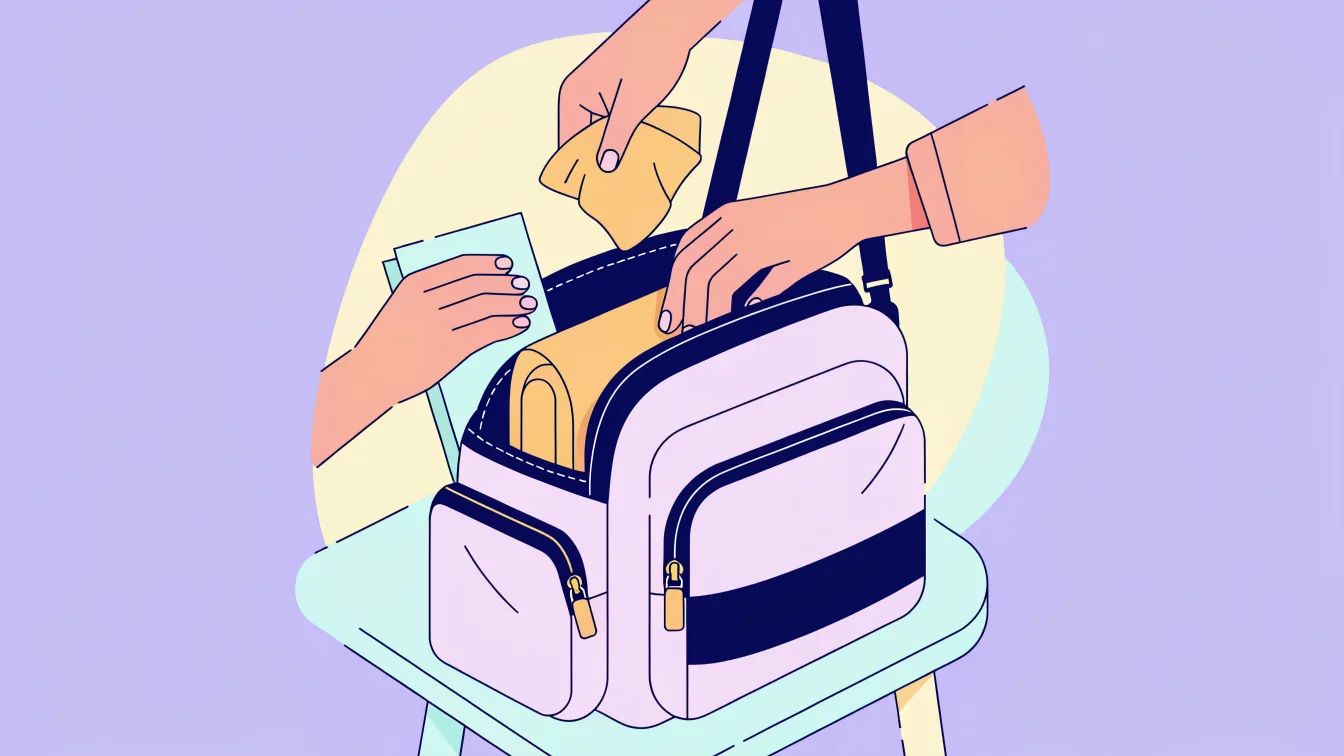
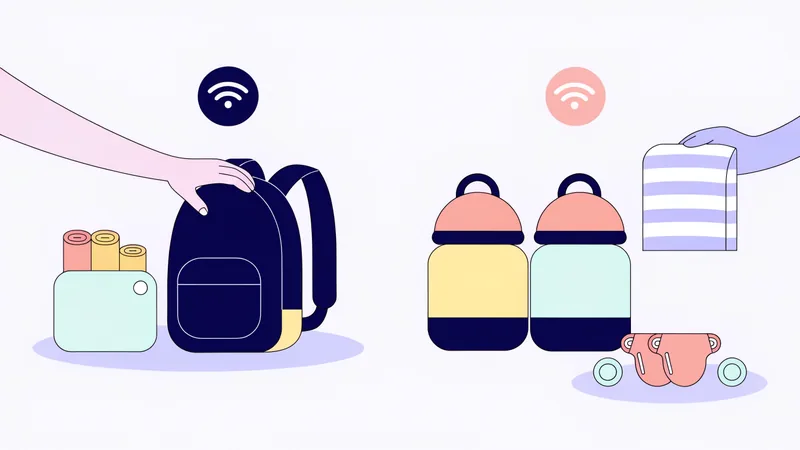
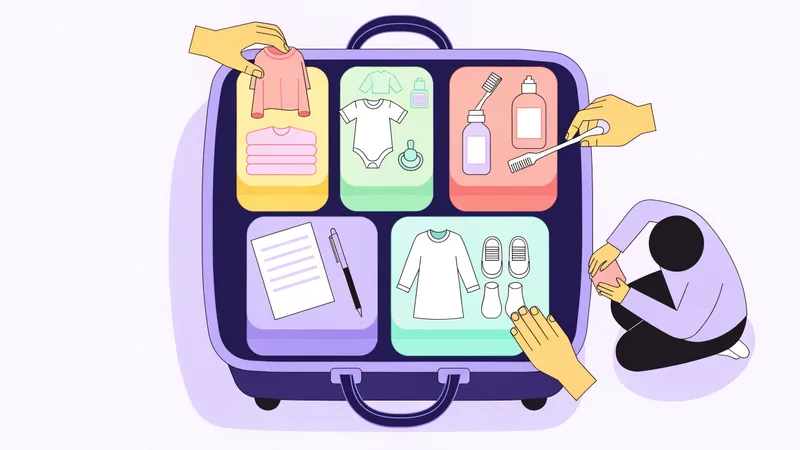
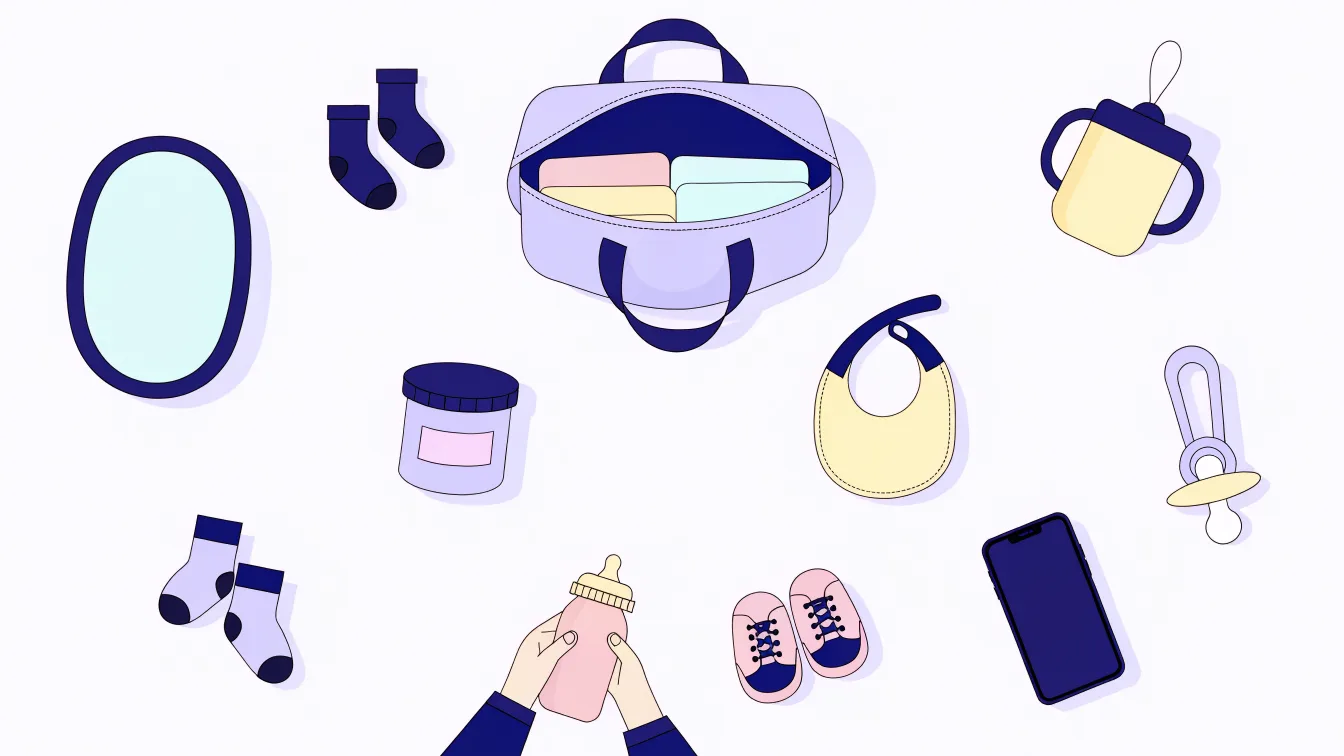
Here's what a well-stocked diaper bag holds. Adjust for your baby's age and the outing length:
- Diapers — several (more for a newborn, more for a long outing).
- Wipes — a travel pack, kept where you can grab them fast.
- Changing pad — for changes on the go.
- Diaper cream — a small tube.
- 1–2 changes of clothes — blowouts and spills happen; a spare outfit saves the day.
- Burp cloths — a couple.
- Bottles / formula, or a nursing cover if breastfeeding.
- Pacifier — a spare, if your baby uses one.
- Snacks — for older babies and toddlers.
- Wet / plastic bags — for dirty diapers, soiled clothes, and messes.
- Hand sanitizer — for you, before and after.
- A small blanket — for warmth, shade, or a clean surface.
- Basic first-aid / any medications your baby needs.
- A small toy or two — for distraction.
For a newborn, lean heavier on diapers and clothing changes (they go through both fast). As your baby grows, you'll carry fewer diapers and more snacks — and eventually a much smaller bag.
Diaper bags for dads
A common question: are dad diaper bags actually different? Functionally, no — a diaper bag is a diaper bag, and the essentials are the same. The difference is styling: bags marketed to dads lean toward gender-neutral or darker colors, cleaner or more rugged/tactical designs, and backpack shapes. That's genuinely useful if a floral tote isn't your thing — but don't overthink it. A well-organized backpack in a color you like works for any parent, and plenty of couples just share one unisex diaper bag backpack.
How big a diaper bag do you need?
Size to your stage and your outings:
- Newborn phase wants the biggest capacity — newborns burn through diapers and outfit changes, and you're carrying the most gear.
- As your baby grows, you need fewer changes and can size down.
- Multiple kids means more capacity (or smart organization to keep each child's things separate).
- Short outings can drop to a crossbody or belt bag; full days want a roomy backpack or tote.
Most parents eventually retire the big diaper bag around potty-training age (roughly two to three), transitioning to a small backpack or everyday bag with a few essentials tucked in.
Frequently asked questions
What do you pack in a diaper bag?
The essentials: several diapers, wipes, a changing pad, diaper cream, one or two changes of clothes, burp cloths, bottles or formula (or a nursing cover), a spare pacifier, wet/plastic bags for dirty items, hand sanitizer, a small blanket, any medications, and a toy. Add snacks for older babies. Pack more diapers and clothing changes for a newborn or a long outing, and keep wipes somewhere you can reach them one-handed.
Can I just use a regular backpack as a diaper bag?
Yes — a regular backpack works fine once you add a changing pad and a few pouches to organize diapers, wipes, and bottles. What a dedicated diaper bag adds is built-in convenience: insulated bottle pockets, an easy-access wipe pocket, a wipe-clean lining for spills, an included changing pad, and stroller straps. If you already own a comfortable backpack, adapting it is a legitimate money-saver; the dedicated features just make messy moments easier.
Are diaper bag backpacks better than totes?
For most parents, yes — a diaper bag backpack keeps both hands free, which matters enormously when you're also holding a baby, a stroller, or a toddler's hand, and it distributes weight evenly for all-day comfort. A tote is more stylish and offers quicker open-top access, but it hangs on one shoulder and tires you out faster. Choose a backpack for hands-free comfort, a tote for style and easy access on shorter outings.
Are dad diaper bags different from regular ones?
Functionally they're the same — the features and essentials don't change. The difference is styling: bags marketed to dads use gender-neutral or darker colors and cleaner, more rugged designs, often in backpack form. That's helpful if a floral print isn't your style, but you don't need a dad-specific bag; any well-organized, comfortable diaper bag backpack in a color you like works for any parent, and many couples simply share one.
At what age do you stop needing a diaper bag?
Most families retire the full-size diaper bag around potty-training age — roughly two to three years old — as the child needs fewer diapers and changes. The transition is gradual: you carry less over time, then eventually swap the dedicated diaper bag for a small backpack or everyday bag with a few essentials (a spare outfit, snacks, wipes) tucked in. There's no fixed date; it follows your child's needs.
How many diapers should I keep in a diaper bag?
A common approach is roughly one diaper for every one to two hours you'll be out, plus a couple extra as backup — so a short outing might need two or three, and a full day out several more. Newborns go through diapers fastest, so pack generously in the early months. Restock the bag after each outing so you're never caught short on the next one.
Guides in this section
10 guides sit under this page.