Bag & Luggage Comparisons: Honest Verdicts on Every Big Decision
Most bag decisions come down to a head-to-head: backpack or suitcase? Hard or soft? Spinner or two-wheel? There's rarely a universal winner — each choice trades one advantage for another, and the "right" answer depends on how you travel and carry. This guide gives the quick, honest verdict on every major matchup, so you can decide fast and move on.
Backpack vs. suitcase
The biggest travel debate, and it's settled by your itinerary, not by which is "better."
- A wheeled suitcase wins on smooth ground — airports, hotels, pavement — where you roll the weight instead of carrying it. It protects contents better and reads more polished.
- A travel backpack wins on stairs, cobblestones, public transit, and for true one-bag travel. It's hands-free, has no wheels to break, and goes anywhere — the cost is that you carry the weight on your back.
Verdict: mostly airports and hotels, take a suitcase; lots of walking, stairs, trains, and mixed terrain, take a backpack. Many travelers own both and choose per trip. (Full guides: backpacks, carry-on luggage.)
Hardside vs. softside luggage
- Hardside protects fragile contents, wipes clean, and looks sleek — but it won't compress into a stuffed overhead bin, and it shows scuffs.
- Softside is lighter, expandable, and has external pockets, and it squishes to fit — but it offers less crush protection.
Verdict: carrying anything fragile (electronics, bottles, gifts) → hardside; want flexibility, outer pockets, and the last inch of give → softside. And to retire a myth: airlines don't prefer one over the other — the size limits are identical. (Full guides: carry-on luggage, checked luggage.)
Spinner vs. two-wheel luggage
Four wheels or two? A real trade-off between convenience and durability.
- Spinner (four-wheel) bags roll upright beside you with no weight on your wrist and maneuver easily in tight airplane aisles — but the wheels mount outside the shell, so they're exposed and are a common break point, and an upright spinner rolls away on any incline.
- Two-wheel (inline / rollaboard) bags have recessed, protected wheels that survive rough sidewalks and curbs better and tend to last longer — but you bear a little of the weight, tilting and pulling.
Verdict: smooth terminals and frequent aisle navigation → spinner; durability and rough ground → two-wheel. It's no accident many flight crews favor sturdy two-wheel bags. Either way, the spec that matters most is replaceable wheels, since wheels are what break first. (Full guide: features & construction.)
Duffel vs. suitcase
- A duffel packs flexibly, squishes into tight spaces (a car trunk, an overhead bin), and weighs less empty — but it has no structure, no wheels (unless it's a wheeled duffel), and a loaded one is harder on your body to carry.
- A suitcase gives you structure, wheels, organization, and protection — at the cost of weight and less flexibility.
Verdict: the gym, soft or oddly shaped loads, and travelers who value flexibility → duffel; structure, easy rolling, and organization → suitcase. A wheeled duffel splits the difference. (Full guide: duffel bags.)
Tote vs. backpack (for work and everyday)

This one has a health angle worth being honest about.
- A backpack is better for your back — two straps distribute the load evenly across both shoulders — and it holds more and keeps your hands free. Modern work backpacks look professional, too.
- A tote offers quicker access and a polished, stylish look, but it hangs on one shoulder, which strains that side and tires you faster with a heavy load.
Verdict: back health, a heavy daily load, or a commute → backpack; style, quick access, and a lighter load → tote. Many people carry a backpack for the commute and keep a tote for lighter days. (Full guides: work & business bags, tote bags, backpacks.)
Carry-on vs. checked luggage
- Carrying on usually avoids bag fees, eliminates the risk of a lost bag, and gets you out of the airport faster — but you're limited to the cabin size (around 22 x 14 x 9 inches) and have to lift it into the bin.
- Checking a bag gives you far more capacity and frees your hands through the airport — but it often costs a fee, means waiting at baggage claim, and carries a small risk of delay or loss.
Verdict: short trips and light packers → carry on; longer trips, bulky gear, or when you'd rather not haul a bag through the terminal → check it. For anything you can't replace (medications, electronics, documents), keep it in your carry-on regardless. (Full guides: carry-on luggage, checked luggage, airline baggage rules.)
Crossbody vs. tote (for everyday carry)
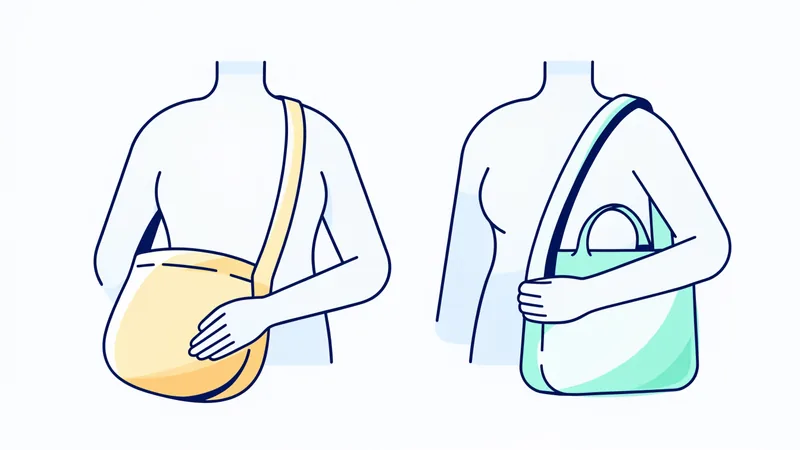
- A crossbody keeps your hands free, sits securely across your body, and resists pickpockets when worn in front — but it's small.
- A tote carries far more and looks polished, but it's open (less secure) and hangs on one shoulder.
Verdict: minimal essentials, travel, and security → crossbody; capacity and a work-ready look → tote. (Full guides: crossbody bags, tote bags.)
The one rule that cuts across every comparison
Whenever wheels are involved, replaceable wheels beat every other durability feature — because wheels are the first thing to fail on any rolling bag, and a bag you can re-wheel outlives one you can't, regardless of which side of any comparison it's on. When two options are otherwise close, let repairability and build quality break the tie. (Full guide: features & construction.)
Frequently asked questions
Is it better to travel with a backpack or a suitcase?
It depends on your itinerary. A wheeled suitcase is better for airports, hotels, and smooth pavement, where you roll the weight rather than carry it, and it protects your belongings and looks more polished. A travel backpack is better for stairs, cobblestones, public transit, and one-bag travel, since it's hands-free with no wheels to break — but you carry the weight on your back. Lots of walking and mixed terrain favor a backpack; mostly airports favor a suitcase.
Is spinner or two-wheel luggage better?
Spinner (four-wheel) luggage is easier in airports — it rolls upright beside you with no weight on your wrist and turns easily in tight aisles — but its exposed wheels are a common break point and it rolls away on inclines. Two-wheel (inline) luggage has recessed, protected wheels that are more durable and handle rough ground better, though you bear some of the weight. Choose spinner for smooth terminals, two-wheel for durability and rough surfaces — and prioritize replaceable wheels either way.
Do airlines prefer hard or soft luggage?
Neither — the size and weight limits are identical for both, so airlines have no preference. The choice is about your needs: hardside protects fragile contents and wipes clean but won't compress into a tight bin, while softside is lighter, expandable, and squishes to fit but gives less crush protection. Pick hardside for breakables and electronics, softside for flexibility and outer-pocket access.
Are totes or backpacks better for your back?
Backpacks are better for your back. Two straps distribute the weight evenly across both shoulders and your spine, while a tote hangs the entire load on one shoulder, which causes strain and fatigue on that side, especially when it's heavy. If you carry a lot daily or commute, a backpack is the healthier choice; a tote is fine for lighter loads and quick access, but it's not designed to carry heavy weight comfortably.
Can you fit more in a duffel or a suitcase?
A duffel can often fit more soft, flexible items because it has no rigid frame to work around and can be stuffed and squished into shape, but a suitcase organizes what it holds better and protects it. The real difference is packing style: duffels suit soft, oddly shaped loads and travelers who value flexibility, while suitcases suit structured packing, easy rolling, and fragile contents. For the same external size, the duffel's lack of structure usually wins on raw volume.
Is a backpack considered a carry-on?
It can be either, depending on size. A large travel backpack sized to about 22 x 14 x 9 inches counts as your carry-on for the overhead bin, while a smaller daypack that fits under the seat counts as your personal item. Most US airlines let you bring one of each free on a standard ticket, so a big pack up top and a small one below is a legitimate, bag-fee-free setup — just check your specific airline's size limits first.
Guides in this section
10 guides sit under this page.
Comparisons
Crossbody vs shoulder bag: comfort and security compared
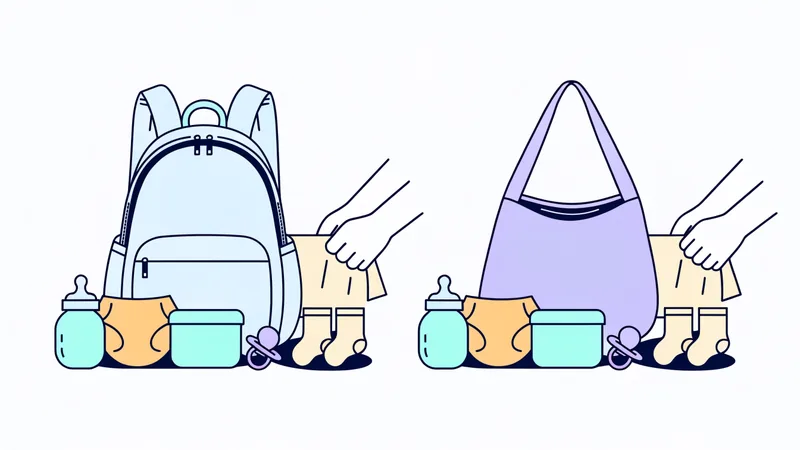
Diaper backpack vs diaper tote: which works better?

Gym duffel vs gym backpack: which is easier to live with?

Hard-shell vs soft-sided luggage: which should you buy?

Hobo vs satchel vs tote: handbag shapes compared
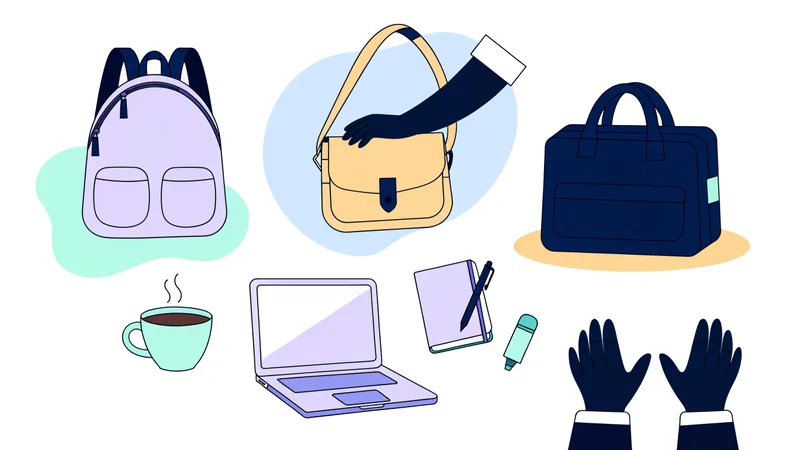
Laptop backpack vs messenger bag vs briefcase
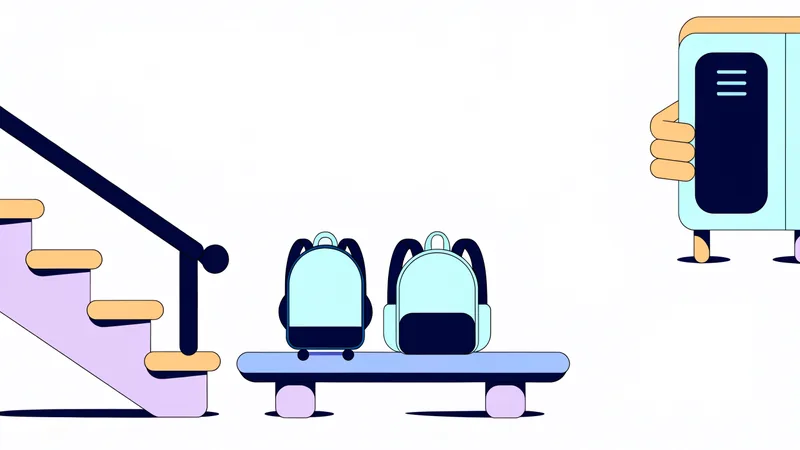
Rolling backpack vs regular backpack for school

Spinner vs two-wheel luggage: which rolls better for you?
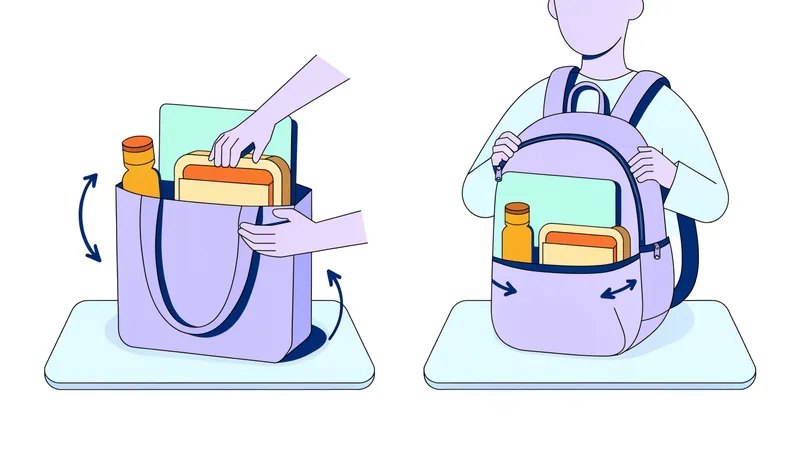
Tote vs backpack: which is better for every day?