Lunch Bags & Insulated Bags: How They Work and How to Choose
An insulated lunch bag looks simple, but there's one thing most people get wrong about it: it doesn't actually keep your food cold on its own. Understanding what it does do — and the food-safety rule that goes with it — is the difference between a fresh lunch and a sketchy one. This guide covers how insulation really works, the bag-vs-box question, how to size one, and how to keep food safe until lunchtime.
How an insulated lunch bag actually works
An insulated bag has a foil- or foam-lined interior that slows the transfer of heat — it keeps cold things cold and hot things hot longer than a plain bag would. What it does not do is actively cool or heat anything; there's no power, no cooling element. It simply slows down the temperature change.
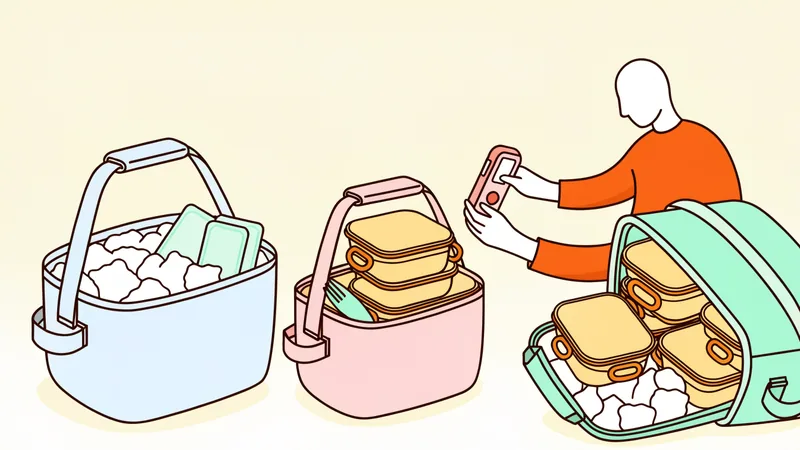
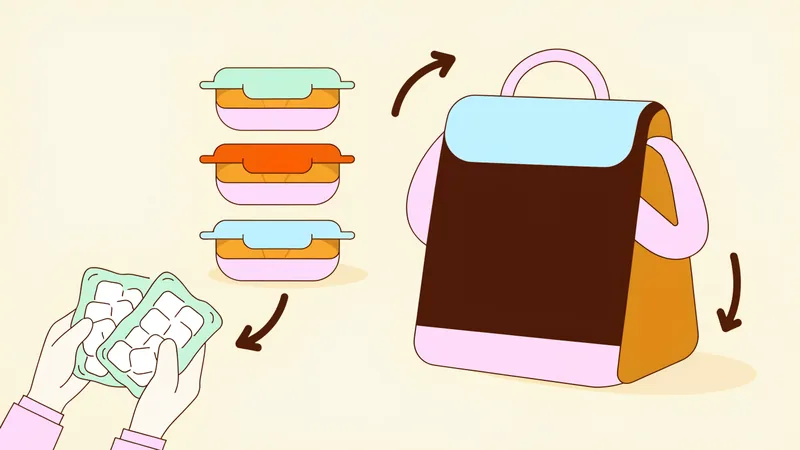
The practical consequence: an insulated bag needs a cold source to keep food cold. Pack an ice pack (or a frozen water bottle or juice box) alongside your food, and the bag holds that cold for hours. Without one, an insulated bag on its own will drift toward room temperature — just more slowly than a paper sack. For hot food, the same logic runs in reverse: pack it hot, and the liner slows it cooling down.
The food-safety rule worth knowing
This is why the ice pack matters. Perishable food — meat, dairy, eggs, cut fruit — shouldn't sit in the "danger zone" between about 40°F and 140°F for more than two hours (or just one hour on a hot day above 90°F), because that's where bacteria multiply. A lunch packed at 7 a.m. and eaten at noon is well past two hours at room temperature.
The fix is simple: an insulated bag plus an ice pack keeps perishable food below 40°F and safely extends how long it stays good, easily covering a morning until lunch. Pre-chill the food, add a cold source, and don't leave the bag in a hot car or in direct sun. (This is standard, well-established food-safety guidance — easy to follow once you know it.)
Insulated vs. thermal: is there a difference?
Short answer: not really. "Insulated" and "thermal" are essentially the same marketing terms — both describe a liner that slows heat transfer to keep food at temperature longer. Neither actively cools or warms anything. If a bag is labeled "thermal," treat it exactly like an insulated one: it still needs an ice pack to keep things cold. Don't pay extra assuming "thermal" means something more advanced.
Lunch box vs. lunch bag: which is which?
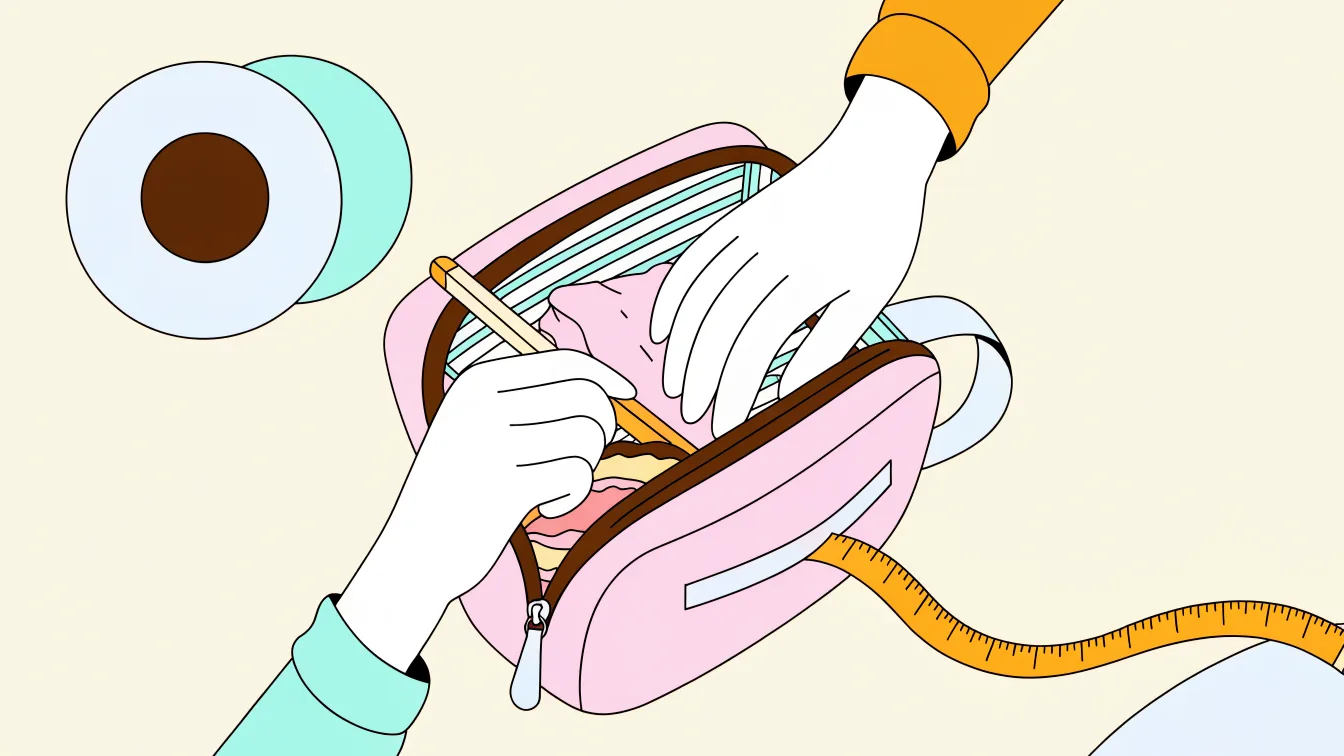
They overlap, but there's a real distinction:
- A lunch box is rigid or hard-shelled. It protects food from being crushed, holds its shape, and often wipes clean easily — good for delicate food and for kids who cram bags into lockers and cubbies.
- A lunch bag is soft-sided and insulated. It's lighter, packs down when empty, and flexes to fit odd containers or a crowded fridge — the everyday commuter and work choice.
Both can be insulated. Choose a box if crush protection matters (or for younger kids); choose a bag if you want light, flexible, and packable. (And yes — "lunchbox" and "lunch box" are both fine.)
The main types
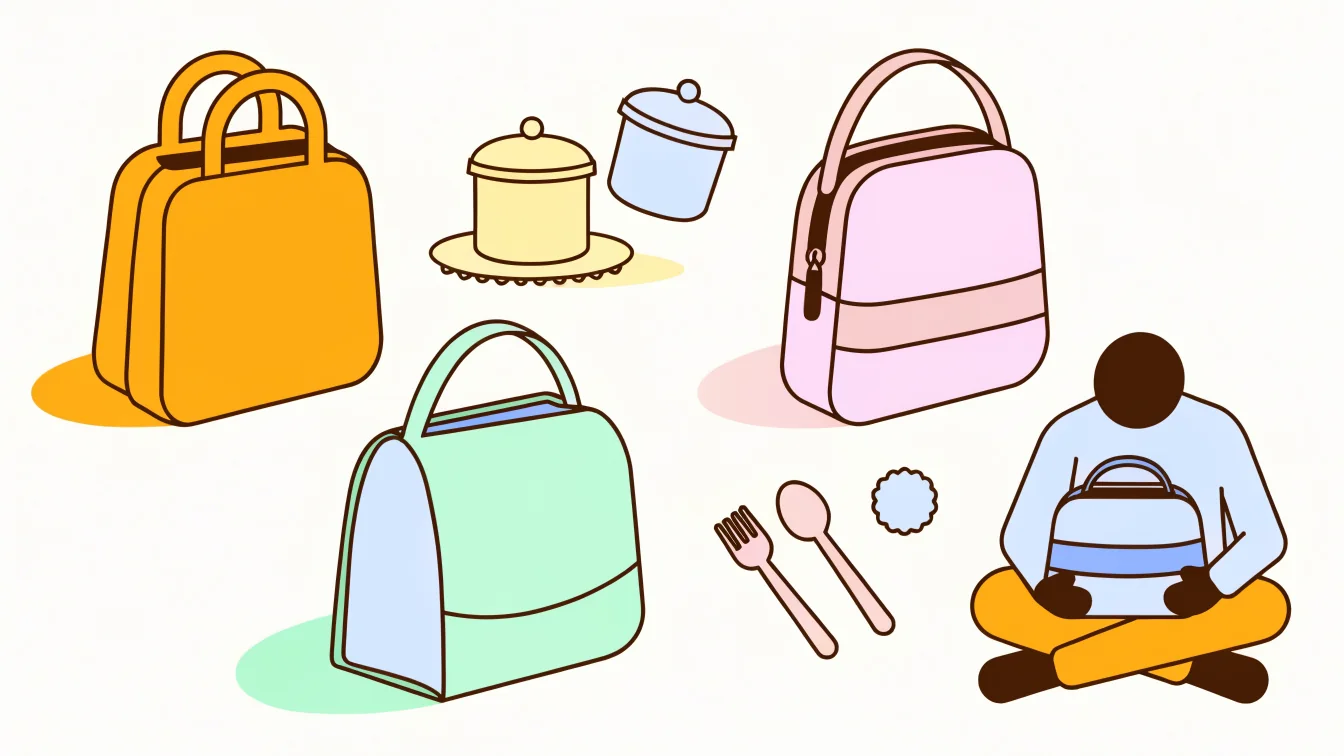
- Soft insulated bag / tote — the classic lunch bag: light, insulated, packable. The everyday pick.
- Hard lunch box — rigid crush protection, easy to clean, holds shape.
- Bento-style box — a compartmentalized container that portions food neatly; usually goes inside an insulated bag to stay cold.
- Backpack or bag with a lunch compartment — a commuter or work bag with a built-in insulated section, so lunch and laptop travel together (see our backpacks guide).
- Cooler bag / backpack — bigger, for day trips, picnics, or multiple meals.
The features that matter
- A quality insulated liner — thicker is better for holding temperature.
- A leakproof, wipe-clean lining — spills happen; a wipeable (ideally leakproof) interior is essential.
- Room for an ice pack — some bags include a dedicated slot; at minimum there should be space.
- The right size (more below) and enough structure that food isn't crushed.
- A secure zipper and, handy for many, an outside pocket for a water bottle, keys, or utensils.
- Easy cleaning — you'll do it often.
What size lunch bag do you need?
- Kids: small — one meal plus a snack and a small drink. Oversized bags just get half-filled and bang around.
- Adults / work: medium to large — a full meal, snacks, and a drink, with room for an ice pack.
- Day trips / big appetites / meal-preppers: a cooler-style bag or backpack that holds multiple meals and several ice packs.
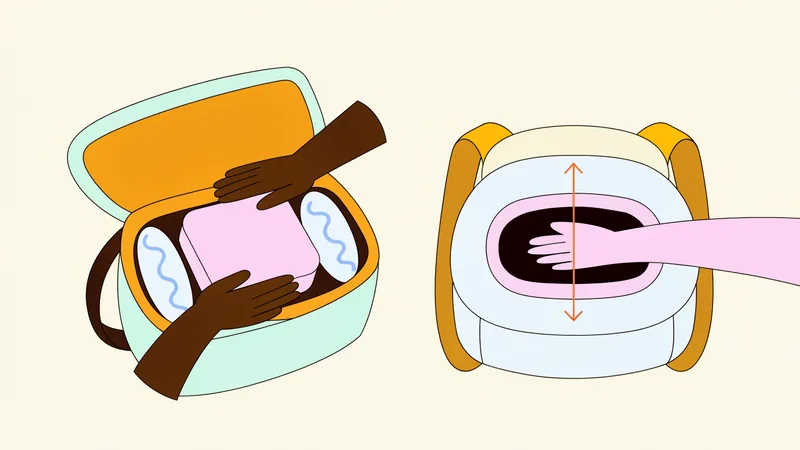
Match the size to a normal day's food, not the biggest day you can imagine — a right-sized bag keeps food snug (which helps it stay cold) and is easier to carry.
Frequently asked questions
What kind of lunch bag keeps food cold all day?
No bag keeps food cold all day on its own — insulation only slows temperature change. To keep food cold from morning to lunch (and beyond), use a well-insulated bag plus one or two ice packs (or a frozen drink), pre-chill the food, and keep the bag out of hot cars and direct sun. A thicker insulated liner and a snugly packed bag hold cold longer, but the ice pack is what actually does the work.
What's the difference between a thermal bag and an insulated bag?
Essentially nothing — "thermal" and "insulated" are two words for the same thing: a liner that slows heat transfer to keep contents at temperature longer. Neither actively cools or heats, so both need a cold source (an ice pack) to keep food cold or a hot item packed hot to stay warm. Don't assume a "thermal" label means more advanced technology; treat it like any insulated bag.
What's the difference between a lunch box and a lunch bag?
A lunch box is rigid or hard-shelled — it protects food from being crushed, holds its shape, and usually wipes clean easily. A lunch bag is soft-sided and insulated — lighter, packable when empty, and flexible for odd containers. Both can be insulated; choose a box for crush protection (and for younger kids), a bag for a light, flexible everyday carry.
Do insulated lunch bags need an ice pack?
Yes, if you're keeping food cold. An insulated bag slows heat transfer but doesn't cool anything itself, so it needs a cold source — an ice pack, a frozen water bottle, or a frozen juice box — to keep perishable food below the safe temperature until you eat. Without one, food inside will slowly warm to room temperature, just more slowly than in a non-insulated bag.
What size lunch bag is best for kids?
A small one — enough for a single meal plus a snack and a small drink. Kids' lunches are compact, and an oversized bag just leaves food rattling around (which actually helps it warm up faster) and is harder to fit in a cubby or backpack. A small, well-insulated bag with room for one slim ice pack is the practical choice; size up only if your child eats a lot or is out for a long day.
How long will food stay cold in an insulated lunch bag?
With an ice pack, a well-insulated bag can keep perishable food safely cold for several hours — comfortably covering a morning until lunch — as long as you pre-chill the food, keep the bag closed, and store it out of heat and sun. Without a cold source it won't stay safe nearly as long. As a rule, perishable food shouldn't sit above 40°F for more than two hours (one hour on a hot day), which the bag-plus-ice-pack combo is designed to prevent.
Note: this article touches on food safety. The temperature guidance here reflects standard, widely published food-safety recommendations; when in doubt about whether food is still safe to eat, err on the side of caution.
Guides in this section
3 guides sit under this page.