Work & Business Bags: Briefcase, Backpack, or Tote?

The bag you carry to work sends a signal before you say a word — and it also has to haul a laptop, a charger, and your life without wrecking your shoulder. Getting both right is the whole challenge. This guide sorts the work-bag world by the two things that actually decide it: how formal your workplace is, and what you need to carry. Then it's easy.
We won't rank ten bags we supposedly tested through a quarter of meetings. Instead: the types and who each suits, the honest answer on whether the briefcase is dead, how the choice differs for men and women in practice, and the features that separate a real work bag from a nice-looking one that fails you by month three.
The types of work bag, decoded
"Business bag" is an umbrella. Underneath it:
- Briefcase — structured, handle-carried, the most formal option. Also called an attaché, a portfolio, or a folio. Reads senior and polished; protects a laptop and documents; least capacity and a one-hand carry.
- Work backpack — two straps, the modern default. Comfortable, laptop-safe, holds the most, and — critically — no longer looks like a college kid's bag. A clean leather or minimalist nylon work backpack now reads professional in most offices.
- Work tote — roomy, open or zip-top, shoulder-carried. A polished, flexible everyday work bag that carries a laptop plus the extras and transitions from desk to dinner. (Full guide: tote bags.)
- Messenger bag — single strap across the body, flap over. Casual-professional, quick side access, favored by commuters and cyclists. (Full guide: messenger bags.)
- Laptop bag — any of the above built primarily around device protection. (Full guide: laptop bags.)
Most work bags are one of these with a laptop compartment. Pick the shape by your dress code and carry, not by what's on sale.
Is the briefcase dead? The honest answer
Mostly, yes — for most people. The hard-sided, handle-only briefcase has been largely replaced by the work backpack for the majority of professionals, and the reasons are practical: we all carry laptops now, two straps beat one hand for your body and your commute, and modern backpacks have gotten sharp enough to wear with a suit.
But "mostly" isn't "entirely." The briefcase — and its softer cousins, the structured tote and slim messenger — still rules in genuinely formal and traditional settings: law, finance, executive roles, client-facing work where image is currency. In those rooms, a backpack can read junior, and a fine leather briefcase or structured bag still signals seniority.
So the real question isn't "briefcase or backpack?" in the abstract — it's how formal is your specific workplace? Traditional and image-conscious → briefcase or structured bag. Everywhere else → a clean work backpack is the practical, healthier, more capable choice.
Choosing by profession and dress code
Match the bag to the room:
- Corporate / law / finance / client-facing: a leather briefcase, a structured leather tote, or — if backpacks are accepted — a minimalist leather work backpack. Structure and quality materials do the talking.
- Creative / tech / startup: near-total freedom. A good-looking backpack, messenger, or canvas tote all work; prioritize function and personality.
- Hybrid / heavy commute: a work backpack or a tote with a trolley sleeve, in a durable, water-resistant material. Comfort and weather-proofing win when you're on a train or bike daily.
- Frequent business travel: a work bag that doubles as a carry-on personal item — with a luggage pass-through strap so it rides on your suitcase (more on that below).
Work bags for women vs. men (in practice)

Anyone can carry any bag — but the market and the conventions do differ, so here's the practical lay of the land:
- Women's work bags lean toward the tote, the structured satchel, and the polished shoulder bag — roomy enough for a laptop plus daily essentials, styled to read professional, often in leather or vegan leather with clean lines. The work tote is the dominant everyday choice.
- Men's work bags lean toward the briefcase, the work backpack, and the messenger — with the backpack now the fast-growing default as offices relax.
The overlap is huge and growing: plenty of men carry totes, plenty of women carry backpacks, and the criteria (laptop protection, professional look, durability, comfort) are identical. Choose by your workplace and your carry, not by which aisle the bag was sold in.
The features that actually matter
A work bag lives a hard life — daily, loaded, in and out of everything. Prioritize:
- A padded laptop compartment — ideally raised off the bottom so a set-down or drop doesn't jolt your laptop (the same "false bottom" principle from our laptop bags guide). Non-negotiable now.
- A trolley / luggage pass-through sleeve — a strap on the back that slides over a rolling suitcase handle. This is what turns a work bag into a travel bag; on business trips it rides on your carry-on instead of your shoulder.
- Real organization — a home for your charger, cables, pens, phone, and keys, so you're not excavating the main compartment. Interior pockets and a zippered pouch earn their keep daily.
- Durable, professional materials — full-grain or top-grain leather ages beautifully; ballistic nylon and waxed canvas take abuse and shrug off weather. (Full detail: materials guide.) Skip anything that looks cheap up close — at work, it's seen up close.
- Comfortable carry — padded straps on a backpack, a comfortable shoulder strap or handles on a tote. You'll carry this thing five days a week.
- Water resistance — a coated fabric or flap that protects your electronics from a surprise downpour.
Get the laptop compartment, the organization, and the materials right, and the bag will serve you for years.
Building the work-bag setup
Most people are well served by one excellent everyday work bag that fits their dress code and carries their laptop comfortably. Add a second only for a real need — a formal leather briefcase or structured tote for client days if your daily bag is a casual backpack, or a dedicated travel work bag with a trolley sleeve if you fly often. Two well-chosen bags cover almost every professional situation; a closet of mediocre ones covers none of them well.
Frequently asked questions
What are business bags called?
"Business bag" is a general term covering several styles: the briefcase (also called an attaché, portfolio, or folio), the work backpack, the work tote, the messenger bag, and the laptop bag. They all do the same core job — carry a laptop and work essentials professionally — but differ in formality and how you carry them. The briefcase is the most formal; the work backpack is the modern default.
Does anyone still use a briefcase?
Yes, but far fewer than before, and mostly in formal fields. The traditional briefcase has been largely replaced by the work backpack for most professionals, because we all carry laptops and two straps are easier on the body. Briefcases (and structured totes) still rule in law, finance, executive, and client-facing roles where a polished, senior image matters — in those settings a backpack can read too casual.
What has replaced the briefcase?
The work backpack, primarily. As laptops became universal and offices relaxed, professionals shifted to backpacks for the comfort of two straps and better laptop protection, and modern leather and minimalist designs made them formal enough to wear with a suit. Structured work totes have also absorbed a lot of the briefcase's role, especially as an everyday professional bag.
What is the best work bag for women?
There's no single "best" — it depends on your dress code and what you carry — but the work tote is the most popular and versatile choice: roomy enough for a laptop plus daily essentials, styled to look professional, and easy to carry from desk to dinner. A structured satchel or polished shoulder bag suits more formal settings, and a work backpack is the comfortable pick for a heavy commute. Prioritize a padded laptop compartment and durable material.
Is a backpack or briefcase better for work?
For your body and for carrying more than a laptop, a backpack wins — and modern work backpacks look professional enough for most offices. A briefcase or structured bag still reads more formal and senior in traditional, image-conscious workplaces (law, finance, executive roles). Match it to your specific office: relaxed or creative → backpack; formal and client-facing → briefcase or structured tote.
What size work bag do I need?
Big enough for your laptop plus a day's essentials, and no bigger. For a standard 9-to-5 that means room for a 13–16 inch laptop, a charger, a notebook, and personal items — most work totes, backpacks, and briefcases are sized for exactly this. Only size up if you regularly carry gym clothes, lunch, or travel gear; an oversized bag you half-fill just gets heavy and slouchy.
Guides in this section
12 guides sit under this page.
Roundups
Best commuter backpacks
Best leather briefcases
Best tech organizers and cable pouches

Best work backpacks for women
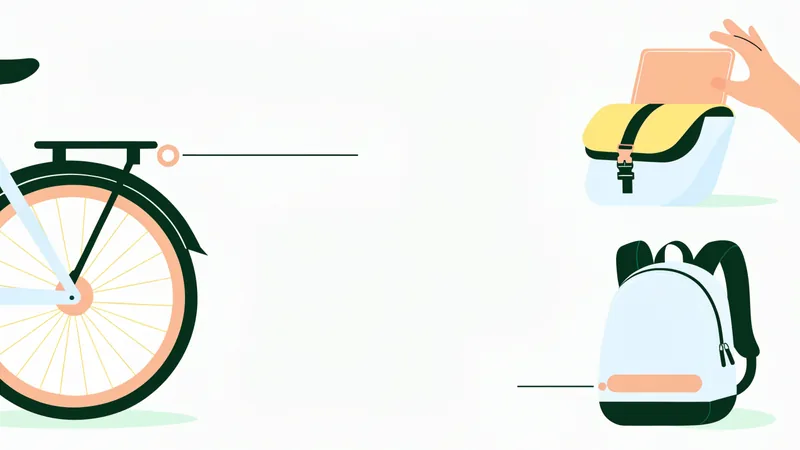
Best work bags for cycling commuters

Best work bags for nurses
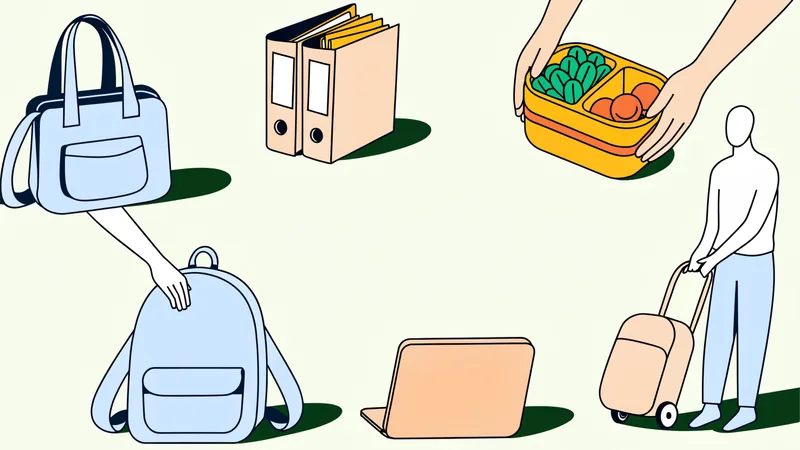
Best work bags for teachers