Carry-On Luggage: How to Choose One That Fits Every Bin (and Lasts)
The perfect carry-on does two things: it slides into the overhead bin without a fight, and it survives being crammed, dragged, and wedged for years without a wheel snapping off in an airport. Everything else — color, brand, that built-in phone charger — is secondary. This guide is about getting those two things right, so you buy once and stop gambling at the gate.
We're not going to hand you a ranked list of ten suitcases we supposedly wheeled around the world. Plenty of sites do that. Instead, here's how to actually choose — the size rules that matter, the hardside-versus-softside question, the features worth paying for and the ones that are marketing, and the mistakes that get bags gate-checked. Then you can shop with confidence (our specific roundups are linked throughout).
First, the only number that truly matters: 22 x 14 x 9
For nearly every major US airline, a carry-on can be up to 22 x 14 x 9 inches, including wheels and handles. Burn that into memory. It covers American, Delta, United, JetBlue, and Alaska. Southwest is slightly roomier at 24 x 16 x 10. The industry settled on 22 x 14 x 9 years ago and hasn't budged — bag makers build to it, overhead bins are sized around it, and the metal sizer boxes at the gate are cut to match.
Two catches that trip people up:
- "Including wheels and handles" is the whole game. A bag marketed as "21-inch" can still fail if its wheels and handle push the total over 22. Manufacturers measure the body; airlines measure everything sticking out.
- International and budget carriers play by different math. Many Asian and Middle-Eastern airlines cap carry-on weight around 7 kg (about 15 lb) — a limit US domestic flights rarely enforce. European budget carriers like Ryanair are stricter still, often only including a small personal item unless you pay up. If you fly those, check before you buy. (Our airline baggage rules guide breaks down the specifics.)
The move: buy to the strictest standard you'll realistically fly. For a US-domestic traveler, that's 22 x 14 x 9, full stop.
Carry-on vs. personal item: use both and skip the bag fee
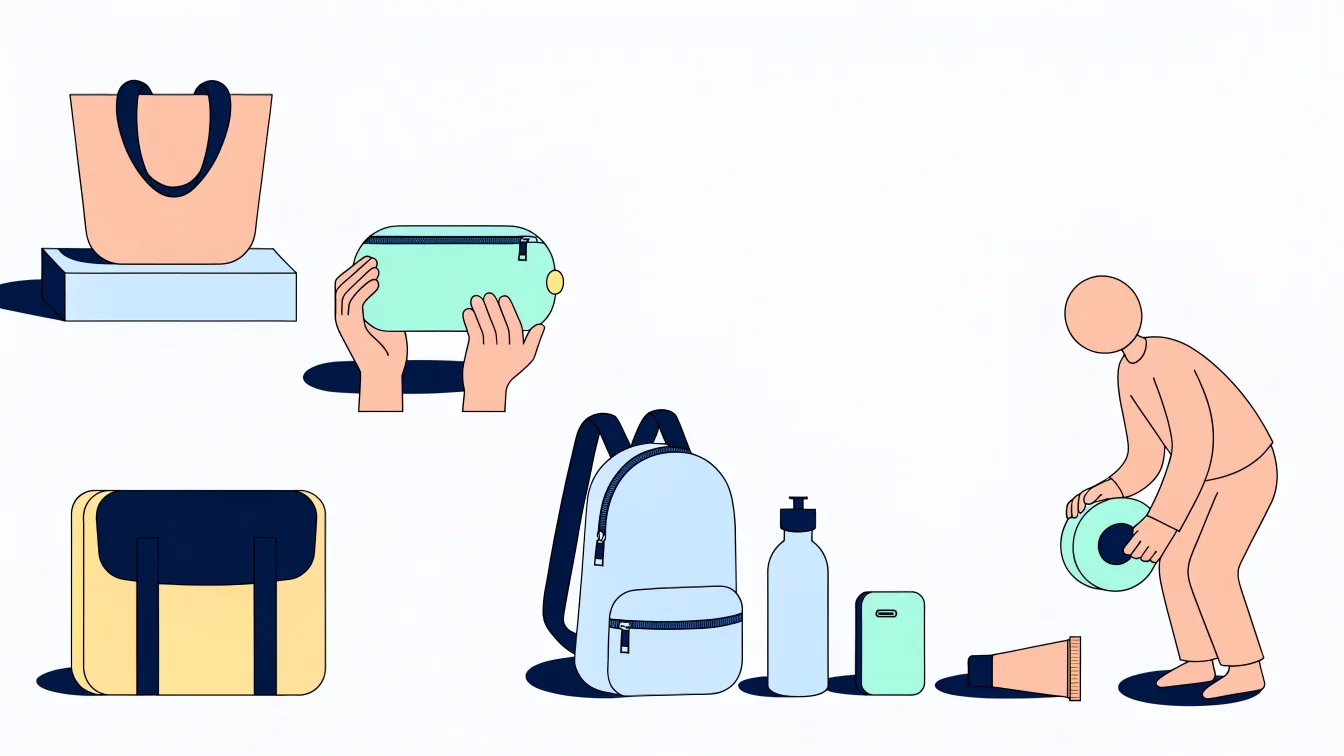
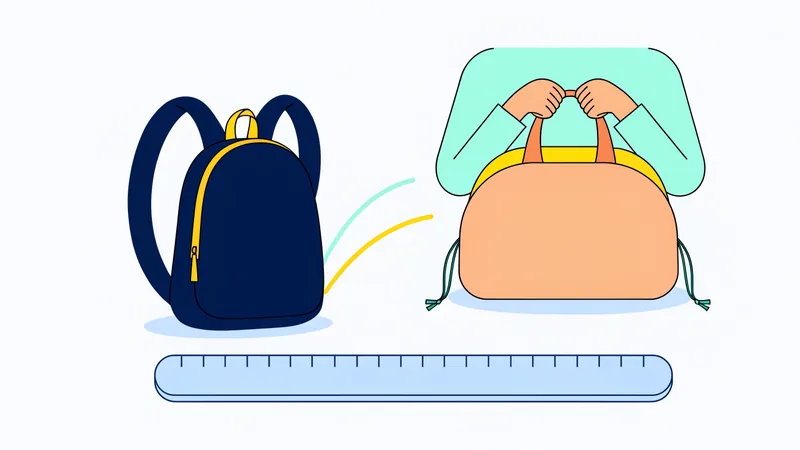
Most US airlines let you bring two things into the cabin free on a standard economy ticket: a carry-on (overhead bin) and a personal item (under the seat). The personal item is the unsung hero — a backpack, tote, or laptop bag around 18 x 14 x 8 inches that holds everything you want at your seat.
Master both and you can travel a long weekend, even a week, without ever checking a bag or paying a fee. The trap is basic economy and budget carriers, which often strip you down to just the personal item — so your "free carry-on" suddenly isn't. Read your fare's allowance before you book, not at the gate.
Hardside vs. softside: the question everyone asks
This is the real fork in the road, and neither answer is universally right. Here's the honest breakdown:
Hardside (hard-shell) carry-ons
- Better at: protecting fragile contents, wiping clean, looking sleek, and clamshell packing (two even halves).
- Worse at: squeezing into a stuffed bin (it won't compress an inch), and every scuff shows.
- Best for: people who carry electronics or breakables, check bags occasionally, or just want a modern look.
Softside (soft-sided) carry-ons
- Better at: squishing into a tight overhead space, absorbing an overpack, and offering external pockets for the stuff you grab mid-flight.
- Worse at: crush protection, and fabric can stain or abrade over time.
- Best for: frequent flyers who overpack slightly, want quick-access outer pockets, or need that last inch of give at the bin.
There's also a growing hybrid category — a hard back panel with a softer, expandable front — that splits the difference nicely. If you genuinely can't decide, a hybrid or an expandable hardside (with a zip that adds an inch of depth for the trip home) is the safe pick.
One myth to kill: hardside doesn't automatically hold less. A well-designed hardside and a softside of the same external size hold roughly the same — softside just feels roomier because it flexes and has outer pockets.
Wheels: two or four, and the part nobody checks
Wheels are the number-one thing to break on a carry-on, so this matters more than the color.
- Four-wheel "spinners" rotate 360° and roll upright beside you — a genuine relief in tight airplane aisles and long terminals, and they put zero weight on your wrist. The downside: the wheels mount outside the shell, so they're exposed and are the most common break point, and an upright spinner rolls away the second you set it on a slope.
- Two-wheel "inline" bags have recessed wheels you tilt and pull. You carry a little of the weight, but the wheels are protected and tend to survive rough sidewalks, cobblestones, and curbs far better.
Here's the detail almost no one checks and everyone should: are the wheels replaceable? On a quality bag, a worn or cracked wheel is a cheap swap. On a bargain bag, the wheels are molded in — one breaks and the whole suitcase is landfill. If you travel often or over rough ground, that single spec matters more than spinner-versus-inline.
The features worth paying for (and the ones that are hype)
Worth it:
- A telescoping handle that locks solidly at multiple heights with no wobble. It's a top failure point; a rattly one is a warning sign.
- Compression straps or a compression pad inside — they hold clothes flat and genuinely fit more.
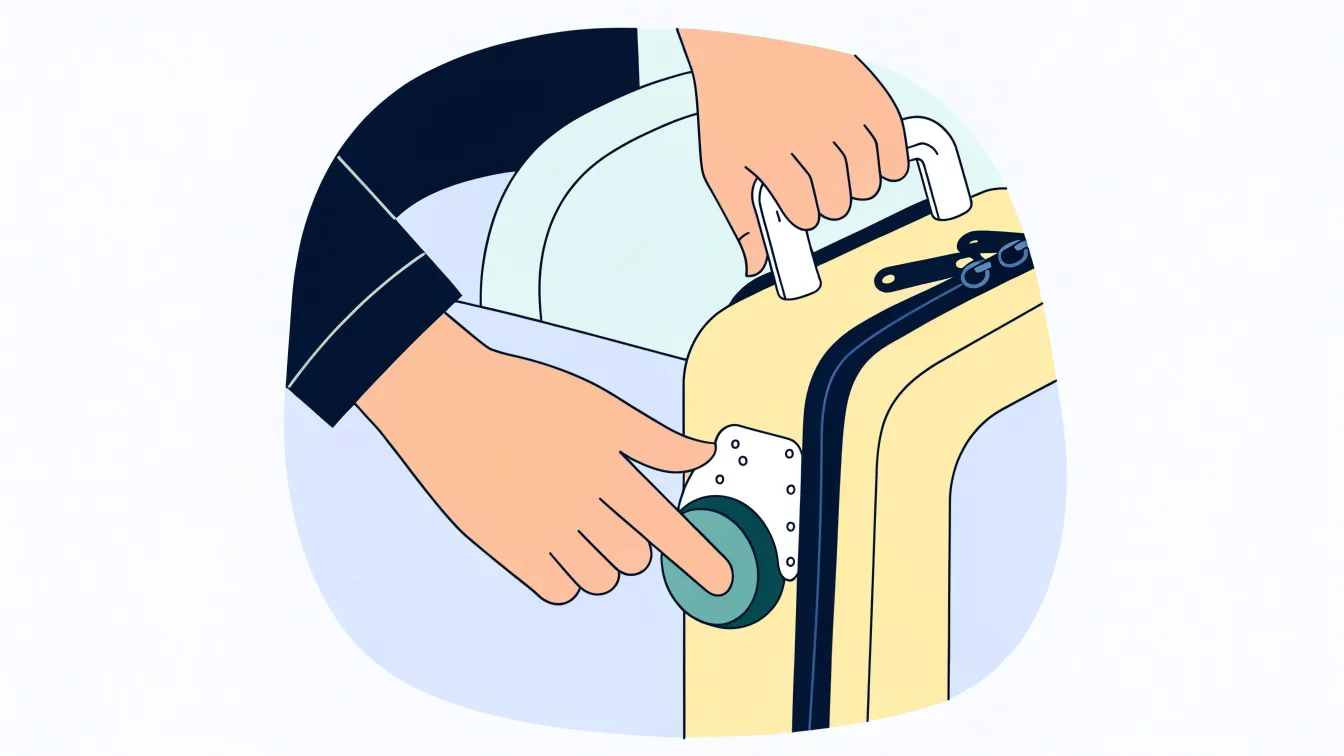
- A TSA-approved lock (built-in or added) so security can open and re-lock without cutting it.
- A quality zipper (look for the YKK stamp) — the other big failure point.
- A front laptop pocket on softside bags, if you don't want to dig through the main compartment at security.
Usually hype:
- Built-in, non-removable batteries and charging ports. They sound great until you realize you can't check a bag with a non-removable lithium battery on any airline — and if you get gate-checked, that's a problem. A separate power bank does the same job and comes out when you need it. (Ejectable batteries solve this, but it's a nice-to-have, not a requirement.)
- Built-in GPS trackers. A removable Bluetooth tracker you can also use for your keys is more flexible and cheaper.
Spend your money on the handle, wheels, and zippers. That's where bags live or die.
How to choose the right carry-on for you
Match the bag to how you actually travel:
- The occasional/leisure traveler: a solid mid-range hardside or hybrid. Prioritize replaceable wheels and a good warranty over gadgets.
- The frequent business flyer: softside or hybrid with a front laptop pocket and great wheels, in a dark, scuff-hiding color. You're in and out of overheads constantly; the last inch of give and quick laptop access earn their keep.
- The overpacker: an expandable carry-on, and discipline about the expanded size (it may cross carry-on limits — expanded bags often have to be checked).
- The rough-and-tumble / cobblestone traveler: inline wheels and a durable shell or ballistic-nylon softside.
- The one-bag minimalist: consider whether a carry-on backpack suits you better (see our backpacks guide) — no wheels to break, hands free on stairs and cobbles.
Whatever you pick, weigh the empty bag before you commit — a heavy suitcase steals from your packing allowance, and on weight-capped international carriers it steals literally.
The gate mistakes that get bags checked
- Measuring body-only. Always include wheels and handles.
- Overpacking a soft bag past the sizer. Soft-sided grace is gone — gates now enforce the box.
- Expanding an expandable bag and forgetting. The extra inch can push you over.
- Assuming your fare includes a carry-on. Basic economy and budget carriers often don't.
- Betting on a lax gate agent. Automated sizers don't negotiate.
Get those right and you'll breeze past the sizer while the person ahead of you repacks on the floor.

Frequently asked questions
Is a 22-inch carry-on too big?
No — 22 inches is the standard maximum carry-on height on most US airlines (the full limit is 22 x 14 x 9 inches including wheels and handles). The catch is that "22-inch" must include the wheels and handle, so a bag labeled 22" that measures larger with its wheels can still fail the sizer. Buy one that's genuinely 22 x 14 x 9 or under when fully measured.
What happens if my carry-on is one inch too big?
At most gates now, it gets gate-checked — you hand it over at the jet bridge and collect it at baggage claim (or the next gate), often for free but sometimes for a fee. Airlines have rolled out automated sizer boxes and no longer let soft bags squeeze through, so even an inch over is a real risk. Measure packed, with wheels and handles included.
Do airlines prefer hard or soft luggage?
Airlines don't have a preference — the size limit is the same for both. The choice is about you: hardside protects contents and looks sleek but won't compress into a tight bin, while softside squishes to fit and offers outer pockets but gives less crush protection. Frequent flyers who value that last inch of give often lean softside or hybrid.
Is a backpack considered a carry-on or a personal item?
It depends on size. A large travel backpack sized to 22 x 14 x 9 can serve as your carry-on (overhead bin), while a smaller daypack that fits under the seat counts as your personal item. Most US airlines let you bring one of each free on a standard ticket — so a big pack up top and a small one below is a legitimate, bag-fee-free setup.
What's the 3-1-1 rule for carry-on bags?
It's the liquids rule: containers of 3.4 ounces (100 ml) or less, all fitting in one quart-size zip bag, one bag per passenger. Anything larger has to go in a checked bag. It applies to gels and aerosols too, and medications and baby formula have some exceptions — check your security agency's current guidance.
What carry-on suitcase do experienced travelers avoid?
The consistent advice is to avoid cheap suitcases with molded-in, non-replaceable wheels and flimsy telescoping handles — they're the parts that fail first, and when they go, the whole bag is done. A durable shell or ballistic-nylon softside from an established brand, with replaceable wheels and a real warranty, is the safer long-term bet than a bargain bag you'll replace in two years.
Why do some travelers avoid black suitcases?
Purely for identification: black is the most common suitcase color, so black bags are easy to mix up at baggage claim and blend into a sea of identical bags. Some travelers pick a bold color or add a bright, securely-attached luggage tag to spot theirs instantly. It has nothing to do with quality — plenty of excellent bags are black — it's just harder to pick yours out of the crowd.
Guides in this section
9 guides sit under this page.
Roundups
Best budget carry-on luggage

Best carry-on backpacks for one-bag travel
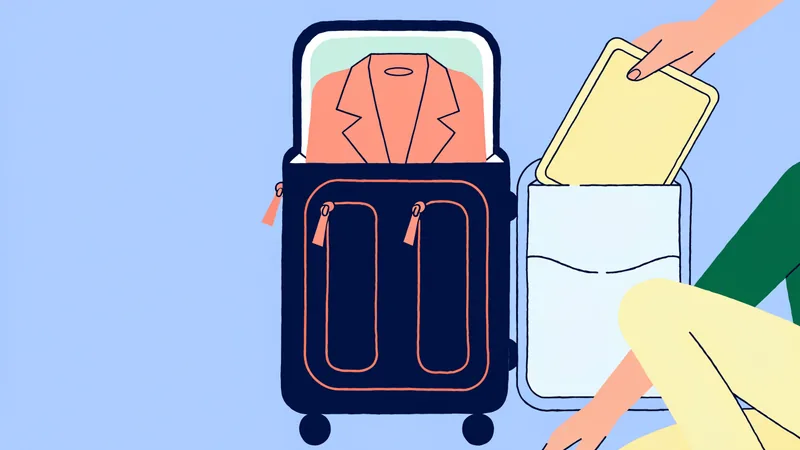
Best carry-on luggage for business travel
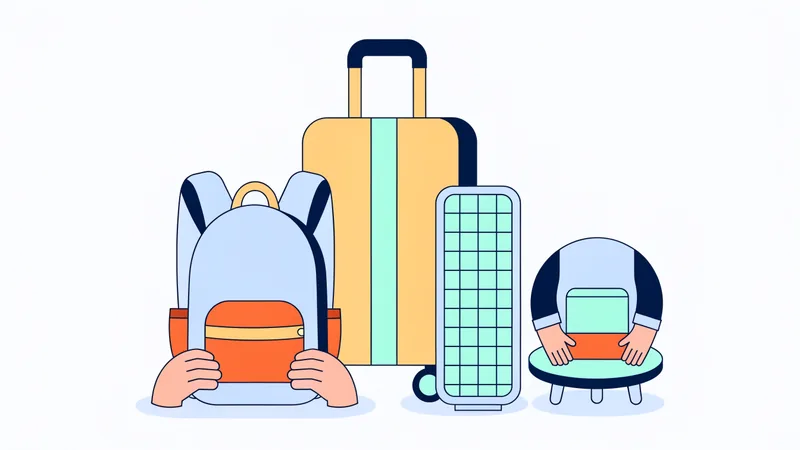
Best carry-on luggage for international travel
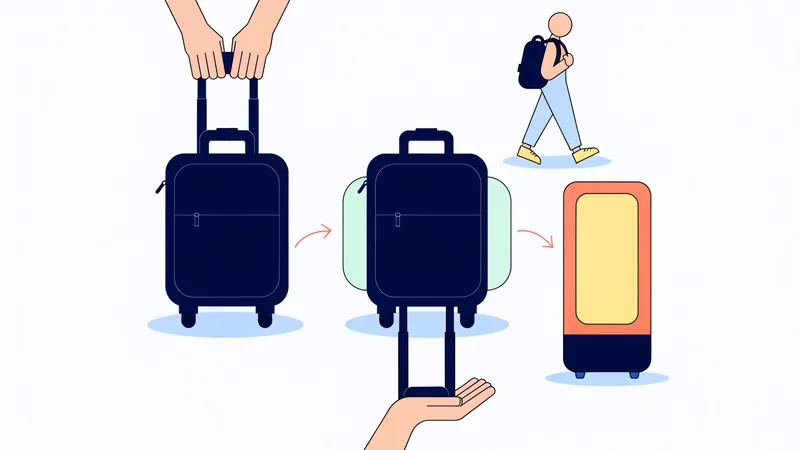
Best expandable carry-on luggage
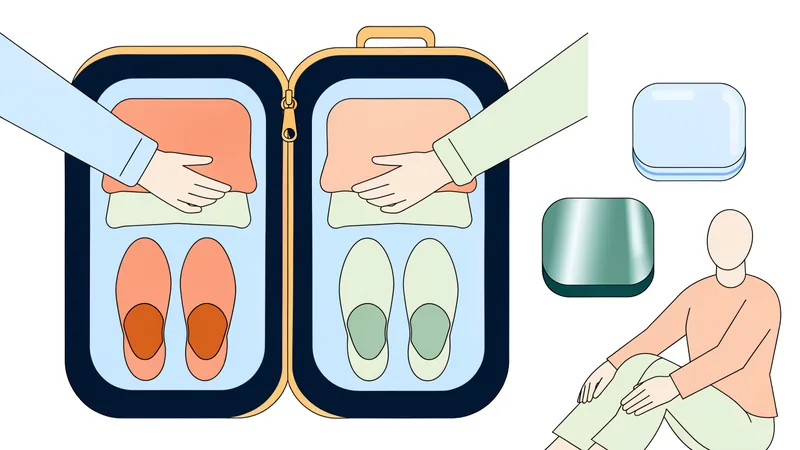
Best hard-shell carry-on luggage
Best lightweight carry-on luggage
Best premium carry-on luggage: when paying more is worth it