Designer handbags: houses, styles and buying basics
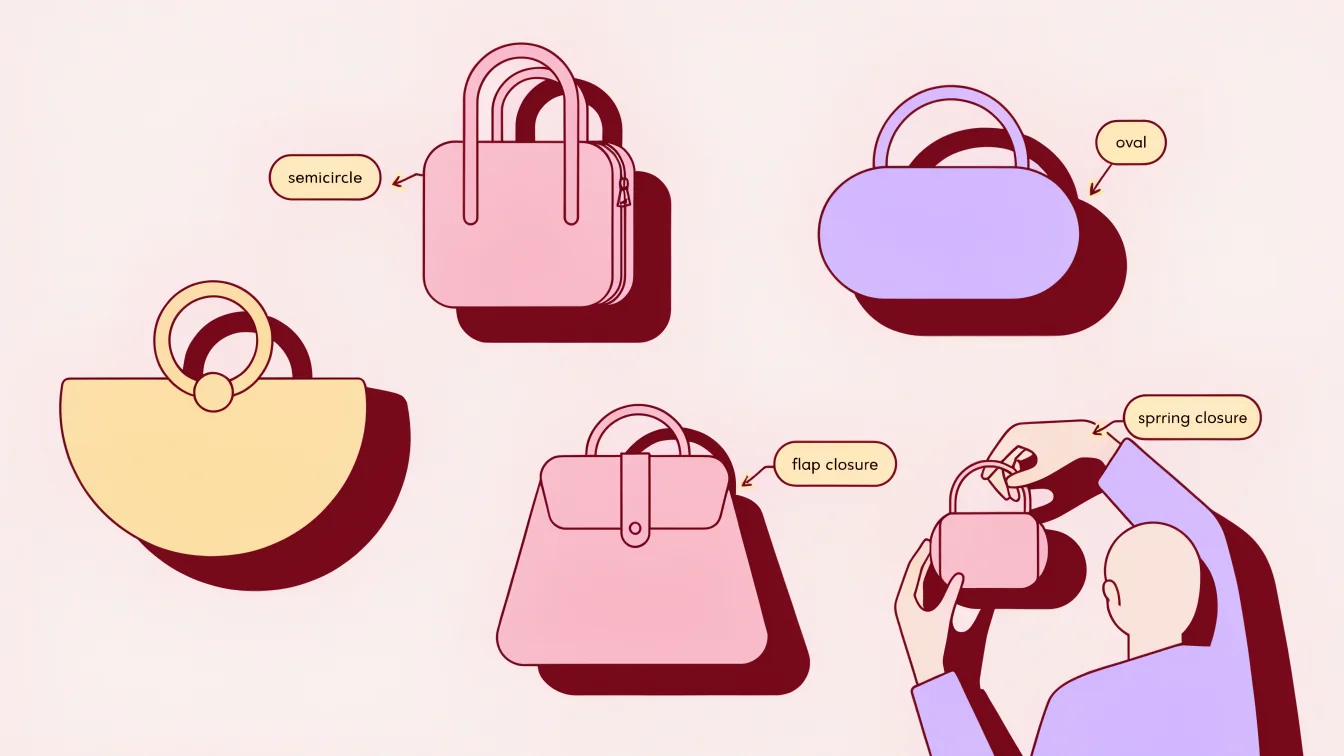
Good designer handbags are the ones you can carry comfortably, maintain properly, and afford without relying on resale promises. Choose the shape and dimensions first. Then compare materials, hardware, repair support, and buying-channel protections before paying for a label.
Start with the shape, not the logo
Designer handbags are not one functional category. A slim shoulder bag, structured top-handle bag and soft tote can have wildly different day-to-day usefulness. Before browsing a house's collection, write down what needs to fit: phone, wallet, keys, glasses, water bottle, tablet, or laptop.
Measure the largest rigid object. A bag's outer dimensions do not equal usable inner space because linings, rounded corners and closures consume room.
| Shape | Typical carrying style | Useful for | Main compromise |
|---|---|---|---|
| Shoulder bag | One shoulder; sometimes crossbody | Everyday essentials | Narrow drop may fight a winter coat |
| Crossbody | Long strap across the body | Walking and transit | Strap can pull against structured clothing |
| Tote | Twin handles, open or zipped top | Documents and bulky kits | Contents may collect at the bottom |
| Satchel | Structured body, top handles | Office or formal settings | More weight and rigidity |
| Hobo | Slouchy shoulder profile | Flexible everyday packing | Small items become harder to find |
| Mini bag | Hand, shoulder or chain strap | Phone-sized essentials | Phone or wallet may not fit |
| Clutch | In hand; sometimes detachable strap | Evenings and events | One hand may stay occupied |
A 10-inch-wide outer body might not accept a 10-inch tablet. Test the internal opening, not just the base.
For soft bags, look at whether the opening spreads enough to admit the object. For boxy bags, look for an interior divider that steals width.
A chain strap can look elegant in a product photo but feel unforgiving under a heavy load. A leather shoulder section may improve comfort. A detachable strap broadens use, although it also adds attachment points to inspect.
Understand how fashion houses organize their lines
Some houses maintain recognizable long-running shapes while releasing new colors, hardware combinations and seasonal materials. Others emphasize changing runway collections.
A familiar name can therefore cover multiple versions with different practical properties. The Chanel Classic lineup is one visible example: product listings distinguish size, leather or textile, metal finish, and an individual reference.
Treat the full product reference as more reliable than a nickname in a social-media listing. For any bag you shortlist, record the exact style, size, materials, color and hardware finish.
Do not assume a photo of one colorway establishes the specifications of another. For discontinued models, preserve the seller's original paperwork or contemporary product descriptions if available.
Signature style versus seasonal novelty
A stable silhouette can make replacement straps, care advice and resale-market comparisons easier to research. That does not make it financially safe.
Seasonal pieces can be excellent choices when the wearer specifically wants that color or textile. They can also be less versatile when outfits and situations change.
Ask three questions:
- Would the same design appeal without its badge?
- Will it work for a year of your normal routine?
- Can you maintain it within that routine?
A pale suede bag bought for rainy daily commutes deserves a second look.
Luxury is not a material grade
A large logo does not establish the hide type, construction method or hardware substrate. Material descriptions should come from the specific product listing.
A house may offer calfskin, lambskin and specialty fabrics such as tweed or raffia within the same broad category. Chanel's own product listings show this clearly.
Leather, coated canvas and fabric: what changes
| Material | What to examine | Everyday trade-off | Care starting point |
|---|---|---|---|
| Smooth finished leather | Surface finish, corner exposure | Scratches can be conspicuous | Follow maker-specific advice |
| Grained leather | Grain type and edge paint | Texture may disguise minor marks | Soft cloth, no unsupported cleaners |
| Lambskin | Finish and sensitivity | Soft feel; demands careful handling | Protect from abrasions and moisture |
| Coated canvas | Coating, trim and seams | Body may wipe easily; trim may not | Care by component |
| Suede or nubuck | Nap and color transfer | Marks and wetting are troublesome | Specialist guidance often sensible |
| Tweed or woven textile | Snagging, fraying, lining | Distinctive texture, exposed threads | Avoid improvised wet cleaning |
Do not translate the word leather into a claim of waterproofing. Hermès' leather guidance warns about water, heat, sunlight and humidity. It also discusses color transfer from dark textiles onto lighter leather.
The bag's most delicate component should control your care plan. A coated body does not excuse soaking an untreated leather handle.
Look closely at corners and strap anchor points. These regions repeatedly rub against sleeves, furniture and the body.
Inspect the glazing along cut edges and the areas where a strap joins the body. Decorative stitching may be attractive, but load-bearing seams deserve the closer inspection.
Closures, compartments and carrying comfort
For daily use, the opening and strap matter more than presentation packaging. A flap may protect the contents, but extra steps can be annoying when opening the bag several times an hour.
A magnetic closure is quick but may gap if overloaded. A full zipper controls spills, provided its teeth do not snag the lining.
Consider carrying comfort as a system: filled weight, strap width, drop, strap attachment and access angle. If the bag is heavy before you pack it, an elegant chain will not make a narrow strap comfortable.
Test reach while wearing your usual outerwear. A top handle can work for short trips between a car and a restaurant yet become awkward on a long walk.
Interior organizers deserve restraint. An insert may prevent loose items from bouncing, but it also adds volume and weight.
Choose an insert smaller than the usable base and avoid forcing a soft bag into a stiff shape. See the handbag organizer guide for fit checks, and the hobo vs satchel vs tote comparison for carrying differences.
Buying new: what to confirm in writing

For new bags, start with the fashion house or its clearly authorized seller. Ask for the exact item identifier, return conditions, what comes in the box, and the procedure for reporting an issue after delivery.
Return eligibility can differ between personalized, special-order and ordinary merchandise. Do not substitute a general shopping FAQ for the terms applying to your purchase.
Service support is a separate question from warranty coverage. Hermès recommends regularly entrusting a bag to its artisans for work such as repairing corners or changing hardware, and directs questions to after-sales service. A published repair route does not mean every defect, stain or damage is repaired free.
Get answers about cleaning products before purchasing an unusual finish. A cleaner approved for one type of coated leather may damage another. Also confirm where and how service requests are submitted if there is no local boutique.
Buying pre-owned: risk and authentication
A pre-owned handbag may offer a discontinued shape or color. Its main challenge is proving that the exact item is genuine and accurately described. Treat authentication as a layered process, not a magic checklist.
Ask for clear photographs of all exterior panels, interior labels, hardware, stitching, corners, lining and closures. Request measurements and photos of any repairs or recoloring.
Verify the seller's return policy, including what happens if independent authentication disagrees with the listing. A seller's receipt is useful provenance but does not alone prove that the photographed item matches the receipt.
Serial details, stamps and packaging can be copied. A heavily edited photo can hide repairs as easily as it hides wear.
Be cautious with claims such as “authenticated by the brand.” Chanel specifically says it does not offer authentication as a service. For other houses, check their own current policies rather than assuming they will issue a certificate.
A practical pre-owned inspection checklist
- Match the listing's full style description and dimensions with reliable product information.
- Inspect corners, bottom edges, handles, strap attachment points and interior lining.
- Look for cracked edge paint, sticky coatings, distorted panels and failed zippers.
- Ask whether leather has been repainted, conditioned, recolored or structurally repaired.
- Read the full return, dispute and authentication conditions before paying.
- Budget for servicing, including shipping and the possibility of an assessment fee.
If the evidence is weak, the sensible decision can be not to buy. A low quoted price does not compensate for an uncertain item or a seller who refuses detailed photographs.
What to pay for—and what not to expect
The top price tier in these guides, $$$$, starts at $300 and has no ceiling. A high tier does not establish value. Distinguish features that benefit you from those that only affect brand positioning.
Pay attention to usable capacity, whether shoulder straps fit, material suitability, repair options and construction finish. Brand heritage and visual identity can matter personally, but they do not guarantee durability or future resale demand.
Do not finance a bag on the assumption it will appreciate. A handbag is a consumer purchase, not a predictable investment.
A separate emergency budget for repairs is sensible. Professional intervention can involve replacing hardware, restitching seams or treating damaged leather. Hermès describes such services, from changing a bag zipper to mending a purse's seams.
Care and storage basics
Read the maker's care page for the specific material and finish first. Hermès advises keeping leather away from water, intense heat, direct sunlight and excess humidity, and wiping it with a soft cloth if wet. For storage, it suggests a warm, dry place away from light, preferably in the bag's box or protective cover.
Remove food, pens and cosmetics before storing the bag. Support the body with clean, non-staining packing material that does not overfill it. Let straps rest naturally rather than sharply bending them.
Store away from sunlight and damp corners. Never assume a household leather conditioner suits a specialty coating, suede or textile trim.
If a stitch fails, a zipper catches repeatedly or a lining peels, stop forcing it. Ask the maker or a qualified repairer to assess the problem while it is still localized. The bag care hub covers broader maintenance questions.
Which designer handbag should you choose?
When comparing designer handbags, start with your actual largest daily object and preferred carrying style. For a commute, a comfortably strapped zipped tote or satchel usually makes more sense than a tiny flap bag.
For evenings, a light small shoulder bag can be enough, but test phone fit. For a versatile collection, choose a shape you already use often rather than buying a silhouette purely because it is recognizable.
If the cost leaves no room for upkeep, reconsider the purchase. For named bags with published materials and repair terms, see best leather handbags worth the investment; for shapes and sizes, see handbags. A well-chosen ordinary bag that gets carried is more useful than an expensive one that stays in a box.

FAQ
Are designer handbags always made from real leather?
No. Collections can include leather, coated canvas, woven textiles and mixed materials. Individual models may be offered in several versions.
Read the exact product description rather than inferring the material from the house name or a familiar silhouette. Special trims and handles can need different care from the main body.
Do designer bags hold their value?
Some individual models attract resale demand, but there is no dependable return. Condition, authenticity, selling fees, fashion changes and purchase price all affect the outcome.
Buy for practical use and enjoyment, not projected profit. An item with a famous design can still be expensive to service or difficult to resell.
Can a brand authenticate a bag bought secondhand?
Do not assume so. Chanel says authentication is not a service it offers to the public and limits authenticity guarantees to its own boutiques and authorized sellers. Check the specific brand's policy and any marketplace's independent assessment and dispute procedure before paying.
Is grained leather better than smooth leather?
Neither finish is universally better. Visible grain may suit everyday use, while smooth leather offers a different appearance and feel.
Scratches, edge wear, color transfer and cleaning needs depend on the actual finish. Compare the maker's instructions and inspect the bag's high-wear areas rather than making a judgment from texture alone.
Should I store a handbag hanging by its handles?
Usually, shelving with gentle support is safer for preserving shape than prolonged hanging. Heavy bags can pull on their handles and anchor points. Follow the maker's storage guidance; Hermès says the cushions and tissue paper supplied with a bag are there to keep its original shape.
Related guides
Guides in this section
5 guides sit under this page.