Bags and office dress codes

Start with your employer's actual work bag dress code, then choose a bag that carries your equipment and suits your commute. Use color, shape and detailing to coordinate with office clothing. Treat general styling conventions as suggestions, not workplace policy.
Read the work bag dress code before choosing a shape
Look for a written policy, onboarding guidance or instructions for the site you will visit. Resolve any specific requirements before making an appearance-based choice.
Emily Post calls business casual an ambiguous category and advises following the company's code. Use the workplace's meaning rather than importing another office's habits.
The table offers styling starting points. It does not declare a category of bag universally permitted or prohibited.
| Workplace description | Starting shapes to compare | Appearance approach to try | Practical question |
|---|---|---|---|
| Business formal | Briefcase, structured tote or restrained backpack | Simple outline and limited decoration | What does this office expect for client-facing work? |
| Business casual | Backpack, tote, briefcase or messenger | A connection with your regular clothes | Does it hold the complete daily load? |
| Casual office | Any suitable work-carry shape allowed by the employer | Your preferred color and texture | Will it serve meetings and the commute? |
| Mixed office and site visits | A bag selected around the destination's instructions | Adapt the appearance after settling requirements | Are there site-specific bag instructions? |
| Interview or first visit | An existing bag that fits your documents and equipment | A straightforward combination with the outfit | What must you bring that day? |
Start with work bags for the main carrying options. Choose the shape after defining the job it must perform.
Decide where a backpack fits in your working day
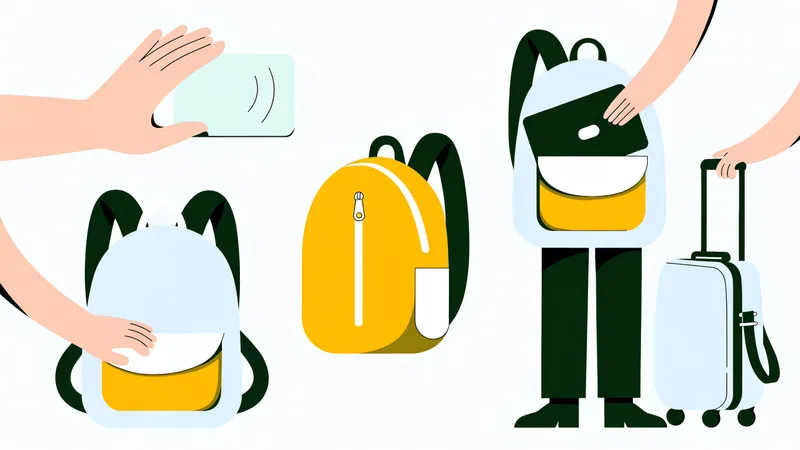
A backpack decision has two parts: whether the workplace accepts it and whether you want its carry method. Settle those questions separately.
For a first day, use a concise question: “Are backpacks fine for the office and client meetings?” Ask the person coordinating your visit.
If the answer is yes, compare the packed backpack with your regular work clothes. Try a simpler surface if you want a quieter visual connection.
If a meeting has different expectations, plan for that particular setting. Do not assume one answer applies to every office or client location.
Avoid replacing a useful bag solely because another person prefers a briefcase. Make changes around actual requirements and your own routine.
For size reference, one published daypack holds 20 liters. Use that as an example while evaluating your belongings, rather than a recommended office capacity.
Put the computer, accessories and other daily items into the trial. Judge the resulting shape and access.
The men's bags guide compares backpacks with other forms without assigning the carrying options to a particular gender.
Fit the equipment before choosing the finish
Set out the equipment you are responsible for carrying. Include the computer's usual sleeve, charger, notebook and any peripherals you actually take home.
Compare the complete load with the compartment and opening. Keep the device's case in place during a fit trial.
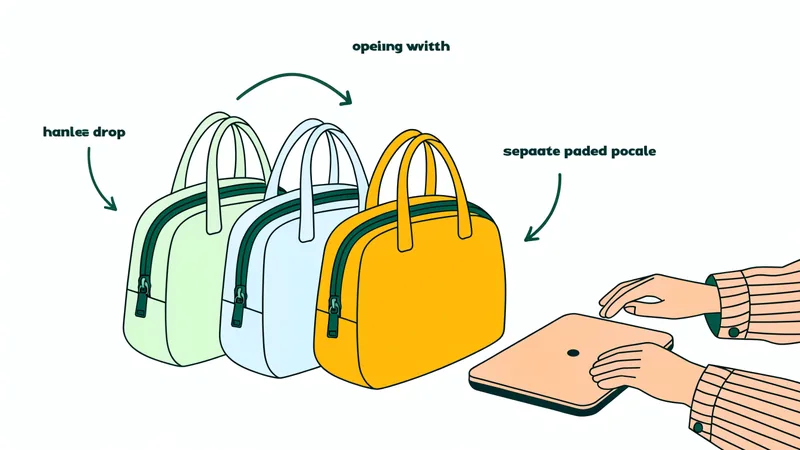
A published briefcase example holds 13 liters and measures 16 inches long x 4 wide x 12.5 high. Those are outside specifications for one design.
Do not treat a similar outline as proof that another bag has the same usable space. Read that item's own measurements.
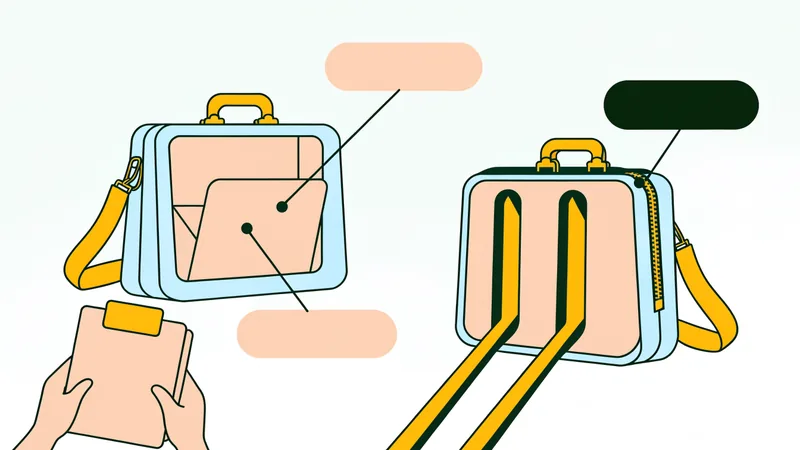
Timbuk2 describes one messenger's internal divider as unpadded. Read protection details separately from claims about accommodating a device.
Before relying on a sleeve or other arrangement, follow your equipment provider's handling instructions. Choose the layout around those requirements.
Next, give personal belongings an intentional place. Plan where you want lunch, keys and a bottle rather than adding them after settling the bag size.
Use measuring your laptop for a bag for the dimensions to record before comparing compartments.
Coordinate with office clothing and client settings

For a close visual connection, repeat a color from your regular work clothes. Try navy with navy trousers or brown with a brown accessory.
For contrast, choose one bag color you enjoy beside several outfits. Keep the rest of the combination as simple or expressive as you prefer.
Treat a structured outline as one styling option for tailoring. A backpack or soft tote can also be part of your planned look where accepted.
Try the complete outfit with outerwear. Decide how the bag looks and operates during the commute, rather than judging it only at a desk.
For client visits, read the information supplied for that destination. Clarify any uncertainty with the contact organizing the visit.
A specific visit may call for a different packing list. Bring the documents and equipment requested, then choose from bags that accommodate them.
Use matching a bag to an outfit for visual coordination. It keeps practical needs separate from optional color and texture conventions.
You do not need a different bag for each suit, jacket or pair of shoes.
Build a repeatable commute and desk routine
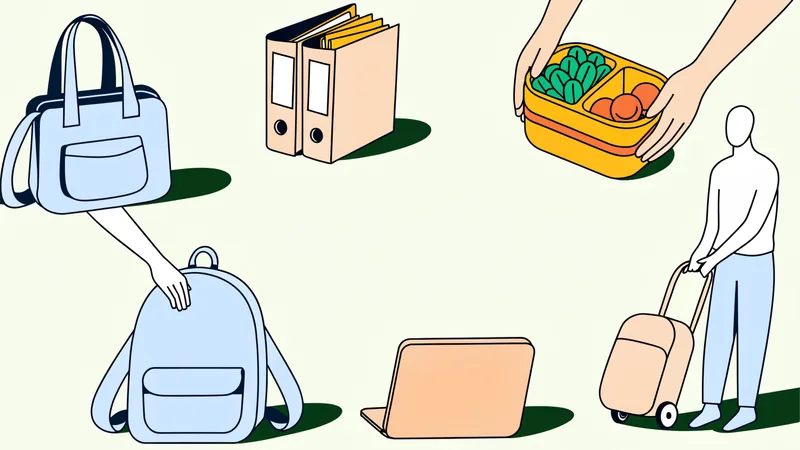
Plan the bag around the whole day, including errands and any change of activity after work. Choose extra capacity for identifiable needs.
- List the equipment and personal items you take on an ordinary day.
- Separate occasional extras from the daily load.
- Review the employer's and any destination's instructions.
- Pack a candidate with the usual computer protection in place.
- Practice lifting, opening and putting the bag down.
- Assign places for frequently used items.
- Compare the packed bag with your regular clothing.
Decide where you will put the bag at work. Use the storage arrangements provided, and keep access to your own belongings straightforward.
If you carry a separate lunch bag, include it in the trial. Decide whether two bags suit the route you actually travel.
For a gym stop, plan the clothing and footwear before choosing a larger work bag. Compare a separate bag with an all-in-one arrangement.
Choose the version you are willing to manage throughout the day. Do not add capacity only because it might be useful without a particular purpose.
Common mistakes when choosing an office bag
Avoid interpreting “business formal” as an automatic leather-only requirement. Read the actual workplace guidance before treating a material as compulsory.
Avoid assuming every backpack is acceptable or unacceptable. Confirm the expectation for the office, meeting or destination that concerns you.
Avoid choosing around a computer alone. Pack the charger, lunch and other daily belongings before settling the size.
Avoid giving a tidy empty bag priority over a useful packed layout. Make the decision using the load you intend to carry.
Avoid buying several colors to match every outfit. Try one existing bag with your regular wardrobe before deciding a gap needs filling.
The versatile bag colors guide offers a practical way to compare shades without declaring a universal office color.
Finally, avoid inferring a work bag dress code from a colleague's bag alone. Use the written guidance or a direct answer from the workplace.
Keep any change proportionate to the actual issue. A clearer layout or adjusted packing list may solve the problem without another bag.

FAQ
Is a backpack acceptable in a business formal office?
Confirm with that employer, especially if you will attend client meetings. Choose around the actual policy rather than assuming the clothing label settles the bag category. If backpacks are accepted, compare the packed shape and details with your work outfit, then decide whether you enjoy the complete combination.
Does an office bag have to be leather?
Use the workplace's instructions to settle any material requirement. If none applies, compare bags by their layout, measurements, stated construction and care. Choose the finish you prefer with your regular clothes. Do not turn a familiar styling convention into a compulsory purchase without a specific reason.
Should I buy a briefcase for a job interview?
Start with a suitable bag you already own. Pack the documents and equipment requested for the interview, then compare it with your planned outfit. Clarify any special instructions with the coordinator. Consider another bag only if the existing one cannot do the required job or meet stated expectations.
Can one work bag serve both commuting and meetings?
Try the same bag through the complete routine. Include the ordinary commute load and the items needed for meetings, then practice retrieving them. Use one bag if it serves those tasks and fits the workplace's expectations. Add another only when you identify a distinct requirement it does not cover.