Bowling bags
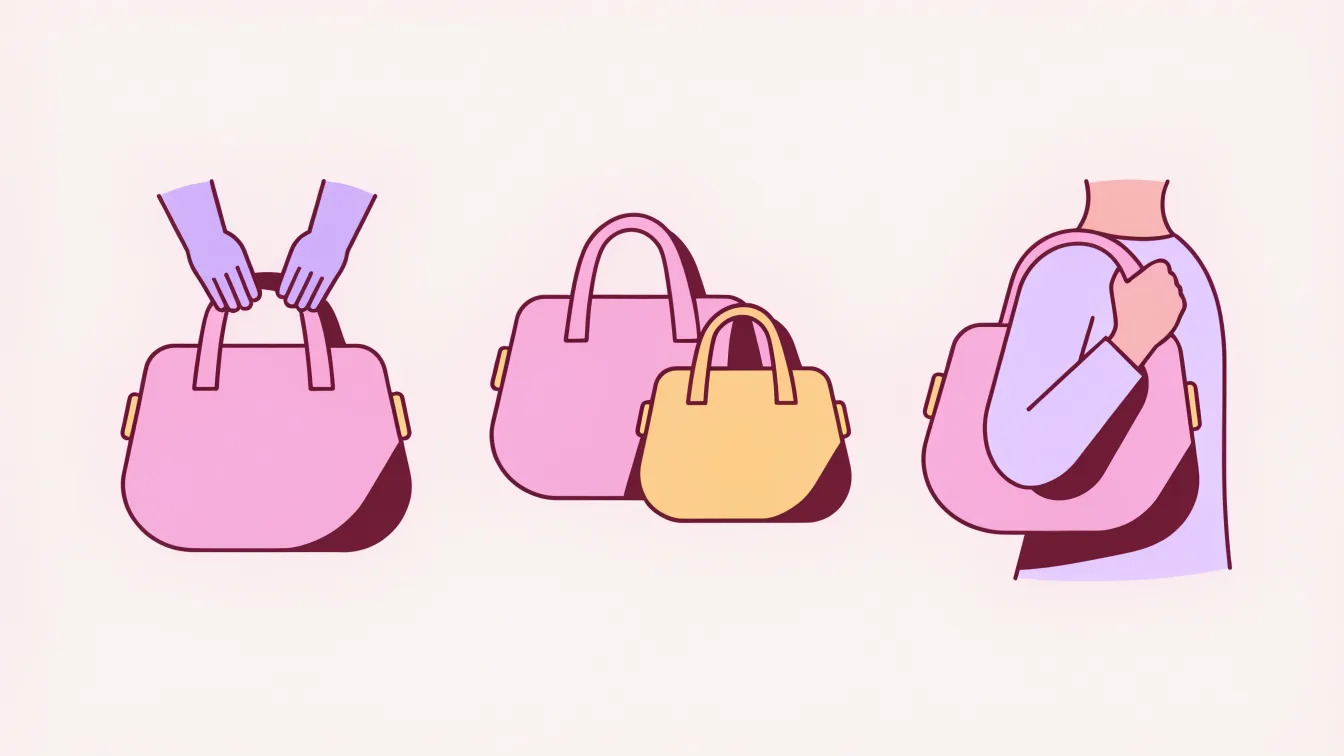
A bowling bag purse adapts a sports-bag silhouette for daily use, often with carrying handles and a curved, zippered top. One maker explicitly describes its design as inspired by vintage bowling bags. Choose by dimensions and carry style, beyond the familiar outline.
What makes a bowling bag purse recognizable?
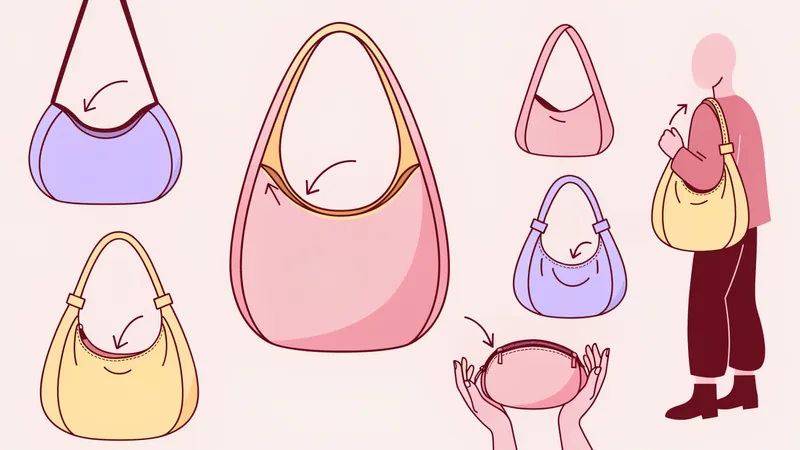
Look for the relationship between the base, rounded upper body and handles. A published suede interpretation uses a flat base, low curved silhouette, tubular handles and two-way top zipper. Maker's design description.
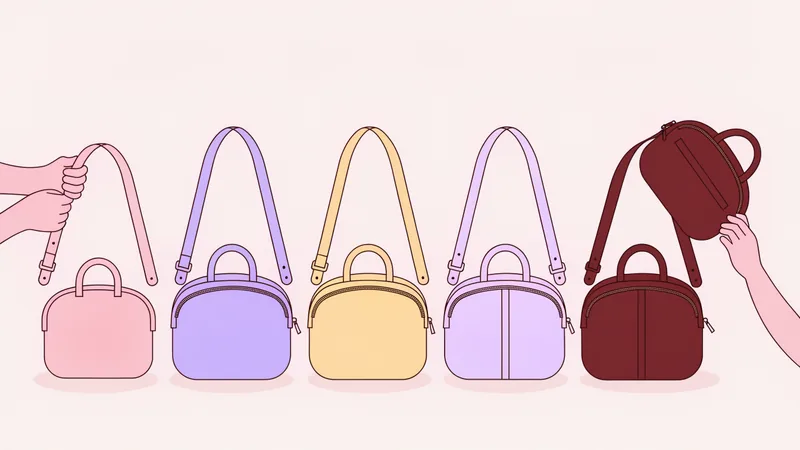
Other interpretations change the proportions and carrying arrangements. A larger model pairs short double handles with an adjustable, detachable strap. Published features.
Use the silhouette as a starting point, then examine the details below. The name does not provide a complete construction specification.
| Feature to inspect | What to compare | Practical question |
|---|---|---|
| Body profile | Curved upper shape and base proportions | Does the shape suit your packing layout? |
| Opening | Zipper path and access at the ends | Can your largest item pass through? |
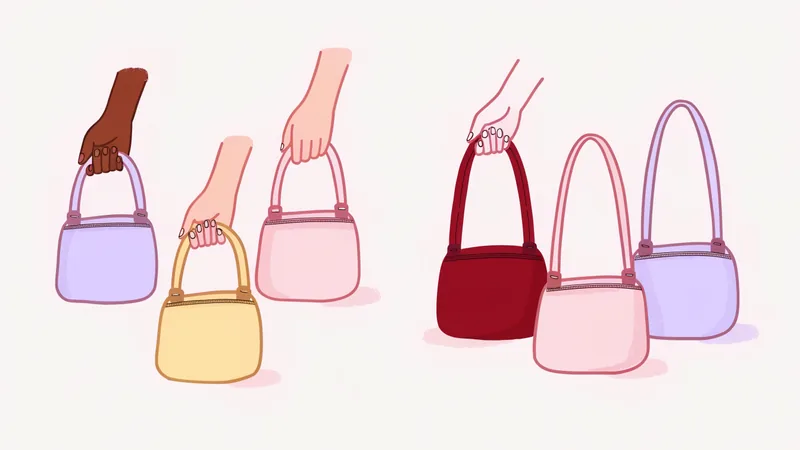
| Handles | Drop and attachment positions | Will you carry it by hand or shoulder? |
| Extra strap | Adjustment and attachment points | Is the intended position comfortable to use? |
| Interior | Pockets and usable central space | Where will daily essentials go? |
For a broader comparison of silhouettes, begin with the handbags guide. For a contrasting closure, compare doctor bags and Gladstone bags, where the top frame is a central consideration.
Understand the sports reference without confusing the purpose
Use the sports reference to guide your silhouette comparison. Establish the intended use separately before planning to carry sporting equipment.
An actual equipment carrier has a different specification. Storm's one-ball example describes a ball compartment, foam base and shoe compartment. Sports-bag features.
Read intended use before treating the categories as interchangeable. If you need to transport sporting equipment, select around the equipment maker's carrying instructions and the bag's stated purpose.
For a handbag, prioritize your phone, wallet and other daily contents. Do not use a rounded shape or substantial-looking handle as evidence of a sports load rating.
When comparing listings, separate three questions: what inspired the shape, what it should hold, and what the maker specifies about carrying it.
The same word can appear in each listing while answering those questions differently. Keep the fashion comparison focused on purse dimensions, access and carry options. That approach avoids choosing a bag around a visual reference that has little relevance to your daily packing needs.
Choose between compact, shoulder and larger versions
Decide how much you need to carry before comparing finishes. Use these groups to organize the decision, without treating them as fixed industry categories.
| Version | Published example | Most useful fit question |
|---|---|---|
| Compact with optional long strap | Small body with adjustable handles and detachable strap; features | Will your essentials fit together? |
| Shoulder-handle version | Longer handles and a fixed published drop; features | Does the handle clearance suit your clothing? |
| Larger top-handle version | Wider body with an additional adjustable strap; features | Can you manage its depth when carried? |
For a compact bag, start with the phone in its normal case and the wallet you actually use. Add keys and glasses before deciding whether occasional extras matter.
For a larger version, list the additional objects that justify the extra space. If your routine requires a computer, compare its dimensions and protection needs separately.
Avoid moving up a size simply because the listing calls it more versatile. Choose the arrangement that serves your normal day, then decide how often you truly need overflow capacity.
Read dimensions as a shape, not a capacity promise
Compare width, height and depth together. A wide, low bag and a narrower, deeper bag can require very different packing layouts.
The examples below illustrate published variation. They are specifications from individual designs, rather than standard purse sizes.
| Example | Width x height x depth | Measurement qualification |
|---|---|---|
| Compact canvas-look and faux-leather design | 7.6 x 4.1 x 4.3 inches | Maker lists overall dimensions; source |
| Suede design | About 12.2 x 8.3 x 6.3 inches | Width measured at widest point; converted from 31 x 21 x 16 centimeters; source |
| Larger leather-labeled design | 15 x 8.5 x 6.1 inches | Maker lists overall dimensions; source |
For a fitting exercise, sketch the base and side profile at full size. Place outlines of your belongings within that sketch before assessing the opening separately.
Avoid treating exterior width as a promise that a rigid object of equal width will fit. Allow for the construction and the actual zipper opening.
Use the handbag size guide to organize your comparison. Keep numeric dimensions beside labels such as small or large, so the labels do not become your main evidence.
Match handle drop and strap adjustment to your carry style

Handle drop and total strap length are different measurements. Record the drop from the top of the handle to the bag, then assess the position you want.
One compact example has adjustable handles with a drop of about 3.5–6.3 inches, converted from 9–16 centimeters. Its separate strap drop is 20.9–23.6 inches. Published measurements.
A shoulder-oriented leather version lists a handle drop of approximately 12.2 inches (31 centimeters). Maker's handle measurement.
Those examples explain why the same general outline can offer different carrying arrangements. Compare the exact measurements with your own preferred bag position.
| Intended carry | What to assess | Practical fitting exercise |
|---|---|---|
| Hand carry | Handle shape and usable space | Hold both handles together |
| Forearm carry | Handle clearance | Try it with your usual sleeve |
| Shoulder carry | Drop and body position | Try it over outerwear you regularly wear |
| Longer-strap carry | Adjustment range and bag depth | Rehearse walking and opening the bag |
Treat these exercises as personal fit decisions. There is no universal handle-drop number that determines comfort for every wearer.
If comparing removable straps, record the attachment arrangement too. Plan around the supplied system before considering a replacement.
Plan packing around the zipper and the curved body
Evaluate access with the zipper fully open, then with your intended contents inside. Position the largest rigid item first and leave the closure path unobstructed.
One published design uses a two-way top zipper and an interior pocket. Maker's closure details.
Use small pockets for objects that actually fit them, rather than assuming that every phone or wallet belongs there. For the main compartment, plan retrieval as well as storage.
| Item group | Packing approach | Before closing |
|---|---|---|
| Phone and wallet | Assign reachable positions | Remove each without emptying the bag |
| Keys and small essentials | Use a suitable pocket or pouch | Keep them out of the zipper path |
| Glasses or rigid case | Establish its position early | Retrieve it through the opening |
| Optional extras | Add after the essentials | Close without forcing the contents |
For a workday, rehearse taking out the object you need most often. Revise the layout if everything must be removed to reach it.
If you want an organizer, measure it separately and include its walls in the fitting exercise. The goal is a usable arrangement, rather than filling every available space.
Compare materials, care and styling choices
Read the exterior and lining as separate components. One published suede version specifies cow-split suede outside, cow leather on the strap and cotton lining. Material breakdown.
A different leather version lists cow leather and a cotton lining. Its care instruction is not to wash. Maker's composition and care label.
The suede example also prohibits washing, ironing and dry cleaning. Follow those model-specific restrictions rather than transferring a treatment from another bag. Care instructions.
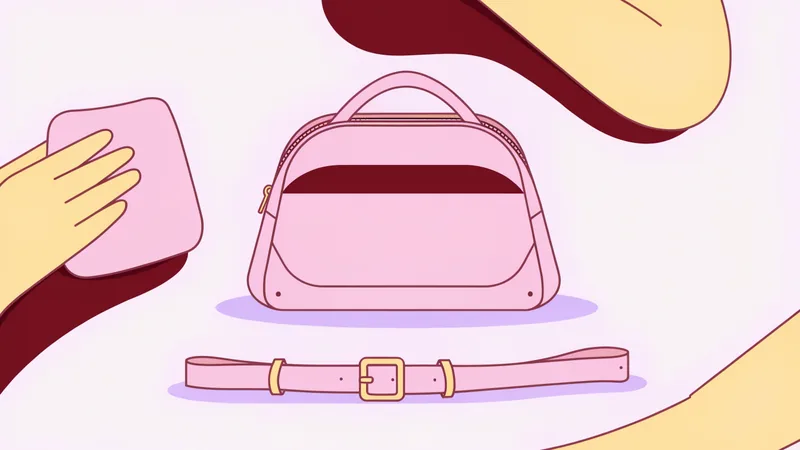
For routine care, empty pockets before inspecting the interior. Refer marks, damaged hardware or difficult stains to the maker's instructions before applying a product.
For styling, choose how much contrast you want between the bag and clothing. A rounded bag can accompany tailored or casual outfits according to your preference. No particular gender, body shape or occasion owns the silhouette.
Choose a bowling bag purse around the combination of usable space, suitable handles and care you can maintain. Color and finish can follow those practical decisions.
For more care detail, see how to clean suede and nubuck bags. Use that guidance alongside the exact product label.

FAQ
Can I carry a bowling ball in a bowling-style purse?
Use a bag explicitly designed for your sporting equipment. A fashion label or rounded shape does not establish suitability. An actual one-ball equipment bag lists a dedicated ball compartment and foam base among its features. Follow the bag maker's intended use and equipment-carrying instructions. Sports-bag example.
Can a bowling-style handbag go over your shoulder?
Some designs offer longer handles; others use a separate detachable strap. Compare the actual drop and adjustment range with your preferred position. One maker publishes a handle drop of approximately 12.2 inches (31 centimeters) for a shoulder-oriented model. Try the arrangement with the outerwear you normally use, rather than relying on the style name. Example measurement.
What fits inside a small bowling-style bag?
Use your actual belongings to decide. Measure the phone with its case, wallet, keys and any rigid glasses case. Compare both the usable compartment and opening. Make a packing layout, then rehearse retrieving each essential. A small label or exterior measurement alone is insufficient to promise a particular combination will fit.
Can you wash a leather or suede bowling-style bag?
Follow the exact care label. Two published examples prohibit washing, and the suede version also prohibits dry cleaning and ironing. Material names alone do not establish a safe cleaning routine for the complete bag. Consult the maker before treating marks or applying a cleaner. Leather care label; suede care label.
Related guides
- Crossbody versus shoulder bags: comparing carrying positions when a design offers multiple straps.