How to clean suede and nubuck bags
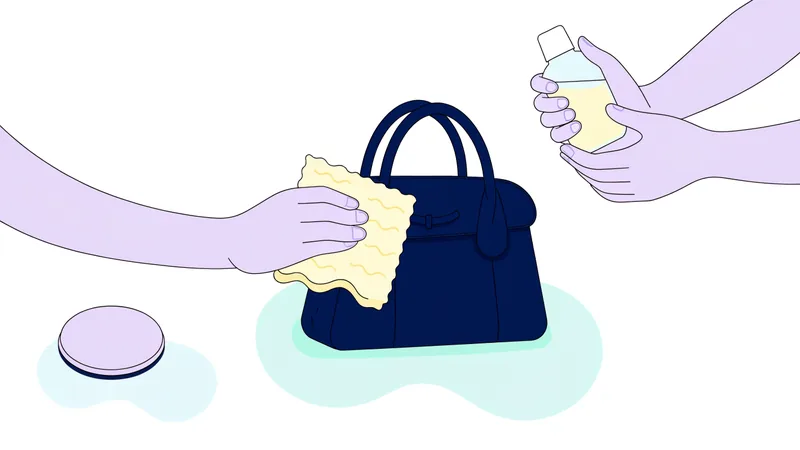
To decide how to clean a suede bag, check its care instructions and start with approved dry methods for light surface dirt. Use a suitable brush or eraser gently. Leave ink, deep grease, and persistent water marks to a leather specialist.
Identify the material and the mark
Find the model name, care card, and material description before cleaning. Do not identify an unfamiliar finish from its soft appearance alone. Ask the maker to confirm what the outer panels and trim are.
Separate the problem into loose dust, a light surface mark, a liquid spill, or an unknown stain. Photograph the area in ordinary light before touching it. Include an unstained panel for comparison.
For background on the two finishes, see suede and nubuck. For this cleaning session, the exact bag's instructions remain your starting point.
| Material or part | First decision | Cleaning boundary |
|---|---|---|
| Suede outer panel | Does the maker approve dry brushing? | Use its specified tool and pressure |
| Nubuck outer panel | Is the tool suitable for nubuck? | Do not assume a smooth-leather cream is appropriate |
| Smooth leather trim | What does that trim require? | Treat it separately from the napped panel |
| Fabric lining | Can it be removed or cleaned separately? | Follow its own care instructions |
Leather UK emphasizes identifying the leather and choosing compatible care. A combined-material bag needs that decision for each component, not one treatment across everything.
What you need for a controlled dry clean
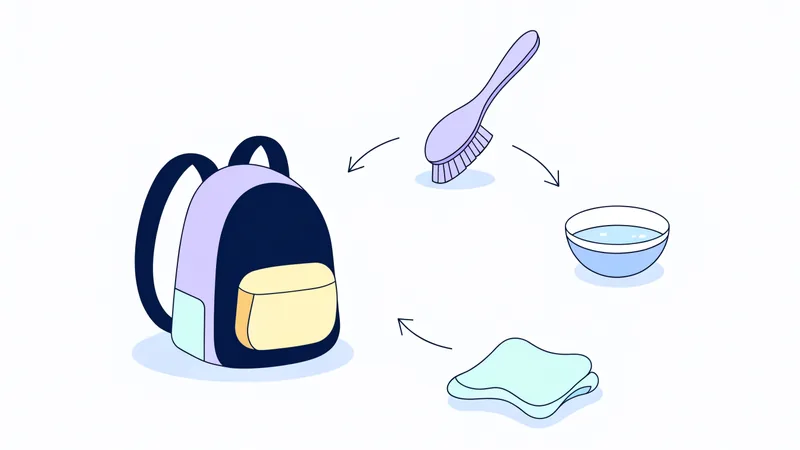
Keep the maker's instructions on how to clean a suede bag beside your approved tools. For light marks, Burberry describes a suitable suede or nubuck rubber alongside its soft-brush approach. Permission for those tools does not authorize a household cleaning sponge.
- The bag's care card or saved instructions.
- A clean, suitable suede or nubuck brush.
- A dedicated eraser if approved for the material.
- A clean, dry cloth.
- A clear work surface and good light.
- A photograph of the original mark.
Empty the bag first. Remove detachable accessories only when intended to come off. Keep the contents somewhere separate so you can inspect the lining without working around pens or cosmetics.
Plan to work on one marked area before assessing the rest. Keep the original photo visible. Your aim is to evaluate a small improvement, not make every panel match through repeated rubbing.
If a tool has previously carried cream, polish, or another cleaner, set it aside. Use tools reserved for this job and compatible with the care instructions.
For ink or oily marks, switch to the stain-removal guide before choosing a treatment. They need a different decision from ordinary dust.
Choose how to clean a suede bag gently
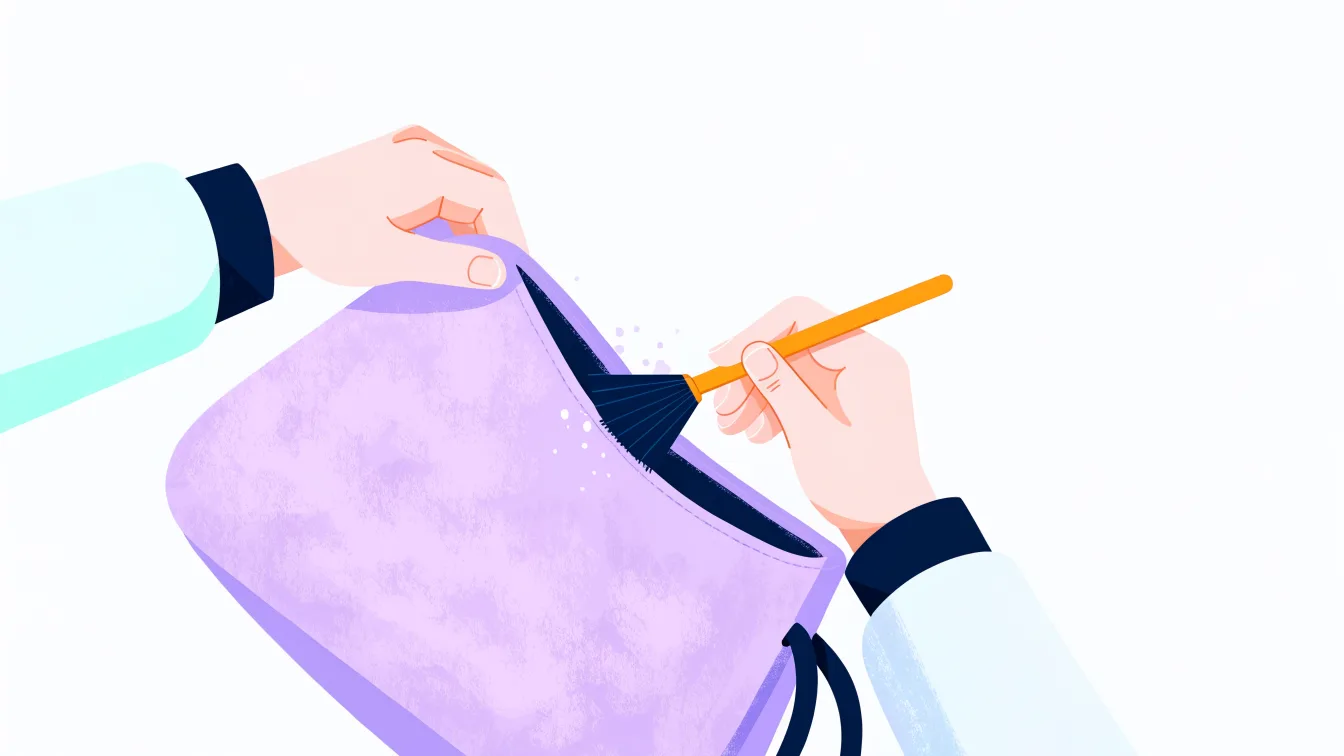
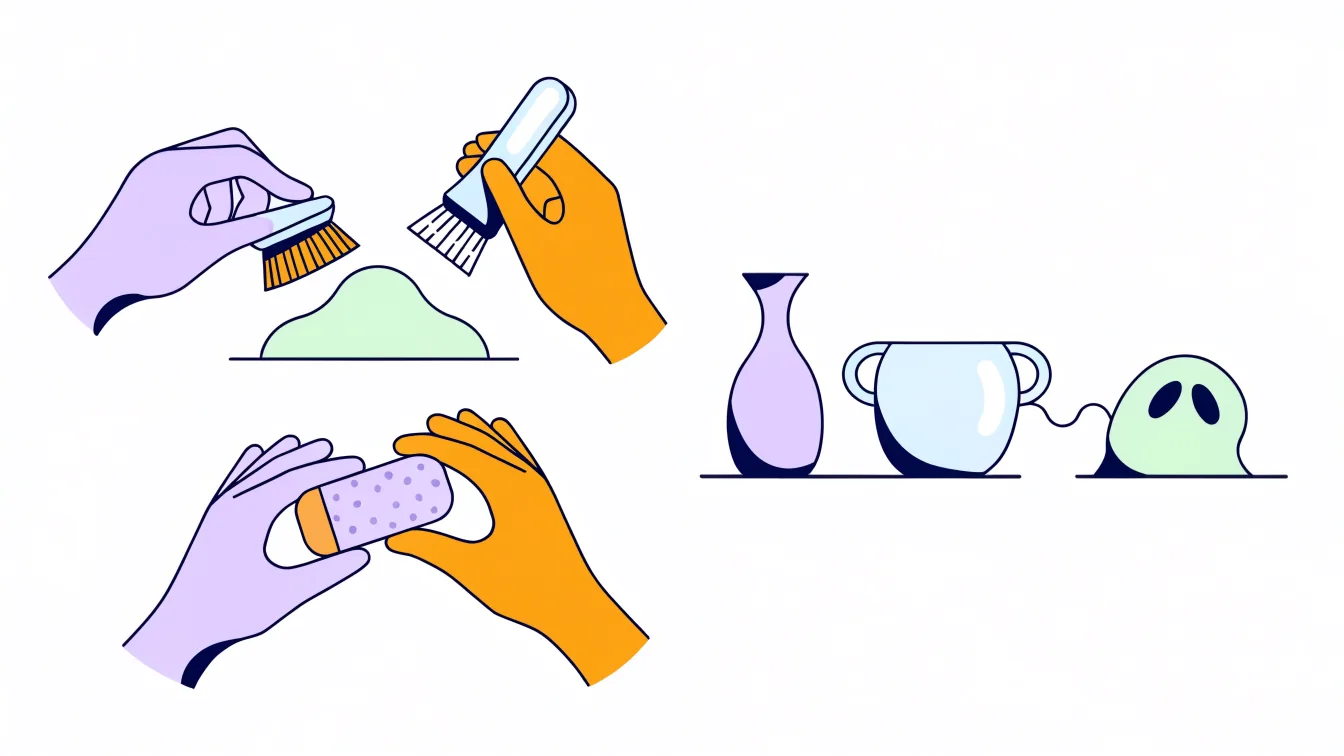
Use the following sequence only for dry surface dirt and light marks when the maker permits these tools. Foley + Corinna describes brushing in one direction and gently erasing scuffs.
- Empty the bag.
- Support the panel without stretching it.
- Brush loose dirt lightly in the approved direction.
- Examine the mark under the same lighting.
- Use an approved suede eraser gently on a remaining light mark.
- Brush away the loosened residue.
- Compare the result with your original photograph.
Stop if the result is uneven or the surface changes in a way you did not intend. Do not respond by increasing pressure across a larger area.
Treat handles, corners, and trim as separate checkpoints. Foley + Corinna recommends keeping smooth-leather creams away from suede. Avoid carrying a treatment from one part of a mixed-material bag onto another.
Write down what you used before considering another approach. Include the tool, area treated, and visible change. That record is useful if you decide a specialist should take over rather than repeating the same dry treatment.
Handle water marks without adding another experiment
If the bag gets wet, follow its maker's wet-care instructions first. Burberry advises blotting excess moisture and allowing its pieces to dry naturally away from direct heat. Its guidance does not promise that every water mark will disappear.
Do not mist an entire panel merely because an online recipe suggests evening out the color. Coach's instructions specifically tell owners to keep its suede away from water. A method published for another bag may conflict with yours.
Keep the wet bag out of your normal storage routine until its approved drying process is complete. Photograph any remaining border or discoloration after drying so the maker can assess the result.
Ask whether the mark needs cleaning, color restoration, or no further treatment. Describe the original liquid if known. Include any soap, spray, or household product already applied.
Leather UK's suede guidance warns against placing suede next to a heater or putting it through a dryer. Do not use heat to meet a deadline.
The bag-care hub covers separate routines for other materials. Keep this bag's instructions with its storage supplies for future spills.
What not to do, and when to use a professional
Do not turn routine brushing into aggressive stain removal. Burberry recommends specialist help for persistent stains and deeper cleaning rather than intensive home treatment.
Avoid borrowing a smooth-leather treatment simply because both items are leather. Coach's instructions distinguish its specialty materials from its core leather-care routine. Identify the finish before choosing a product.
Do not use household solvents as an automatic next step. Leather UK warns that unsuitable household treatments can damage leather finishes. A successful result on another item does not identify a compatible method for this bag.
Use a specialist for valuable or vintage bags, widespread staining, ink, or deep grease. Foley + Corinna identifies those as reasons to seek suede expertise.
Before a professional bag-care assessment, send photographs and your treatment record. Ask what changes are realistic and which areas will be treated.
Agree on whether preserving the existing color and texture matters more than reducing a mark. Request an assessment before authorizing restoration. Keep the written care advice afterward so future maintenance follows the treatment actually performed.

FAQ
Can you wash a suede bag in a washing machine?
Do not choose machine washing without explicit guidance for the complete bag. Coach tells owners to keep its suede away from water. Find your own model's instructions rather than assuming a washable lining makes the exterior washable. Ask the maker or a suede specialist if the care card is missing. Source.
Can you use a pencil eraser on suede?
Use the type of tool approved for the bag rather than substituting stationery. Published bag-care guidance identifies suitable suede or nubuck rubbers for light marks. Match the tool to that instruction and stop if the surface changes. Unknown stains are a reason to seek advice before increasing pressure. Source.
Should you add water to remove a water ring?
Do not add water automatically. Check the maker's instructions and describe the mark to its care team. Some suede-bag instructions prohibit water exposure, so a whole-panel wetting recipe may conflict with the intended care. Record what caused the ring and any treatment already tried before seeking a specialist assessment. Example.
Can you remove ink with a suede brush?
Treat ink as a specialist stain rather than loose surface dirt. Leather UK specifically directs ink on suede and nubuck to a specialist. Photograph the mark and identify the pen if possible. Tell the cleaner about earlier treatments, and ask what result is realistic before authorizing work on a valued bag. Source.