How to clean a leather bag
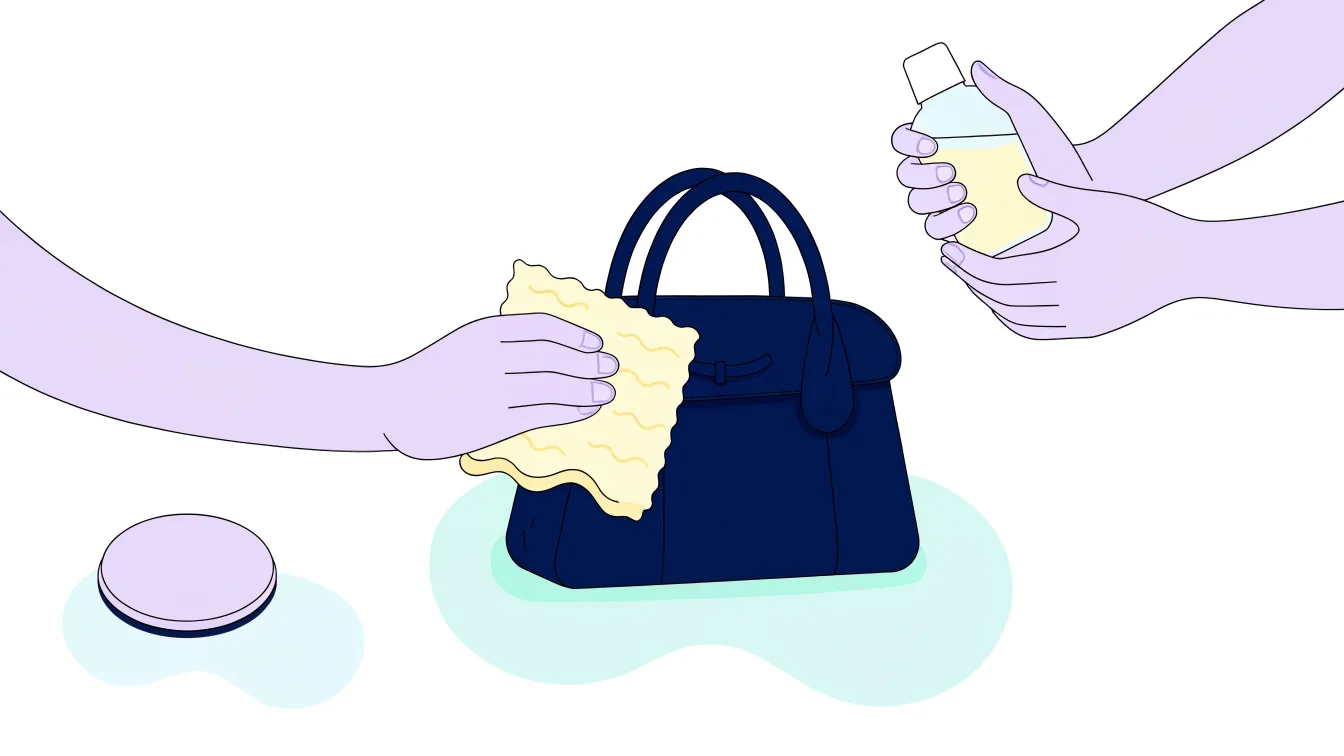
To clean a leather bag, identify its finish, dust it with a dry soft cloth, then use only a cleaner made for that leather. Knowing how to clean a leather bag safely means testing a hidden area first. Never soak it, and do not assume a smooth-leather conditioner suits suede.
What you need
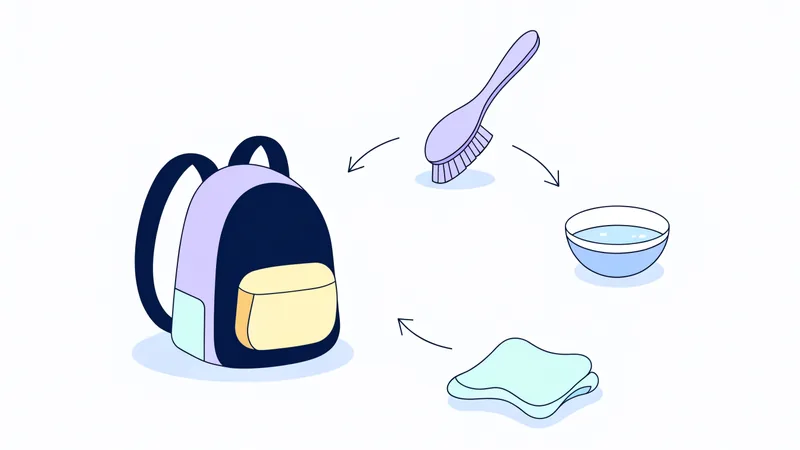
- A clean, dry, very soft cloth.
- A small soft brush for removable surface debris.
- A leather cleaner approved for the specific finish, if needed.
- A separate dry cloth for removing residue.
- Appropriate leather conditioner only if the maker recommends it.
Read the care label first. Different finishes can look similar in photographs. A bag may also combine leather with fabric lining, coated trim, metal hardware and adhesive-backed details.
How to clean a leather bag step by step
- Identify the leather. Find the maker's stated material and care guidance. Smooth, pebbled, suede and delicate coated finishes need different treatment.
- Empty the bag. Remove contents and gently shake loose dust from compartments. Protect delicate lining from snagging on jewelry or keys.
- Dust the exterior. Use a clean soft cloth without applying cleaning solution immediately.
- Examine the stain. Is it surface dust or a mark that has soaked in? Stop if the finish is already cracking or flaking.
- Test your cleaner. Place a tiny amount on an inconspicuous area. Wait and examine for darkening, color transfer or gloss changes.
- Clean a small area. If the test passes, apply a small amount of leather-specific cleaner in circular strokes, following the product directions.
- Remove residue. Wipe with a separate suitable cloth. Avoid soaking seams or leaving pooled liquid near hardware.
- Dry naturally. Keep away from radiators, hair dryers and direct sunlight.
- Condition only if appropriate. Smooth leather may benefit from a maker-approved conditioner. Specialty finishes can be damaged by the wrong product.
- Store after drying. Preserve the shape with suitable stuffing and keep the bag in breathable storage.
That is how to clean a leather bag in general terms; your bag's care label overrides any of these steps. The circular-stroke method and the hidden-spot test both come from a maker's leather care guide.
Cleaning methods by leather finish
| Leather or finish | Starting method | What to avoid |
|---|---|---|
| Finished smooth leather | Soft cloth; approved leather cleaner if needed | Oversaturation and untested solvents |
| Pebbled leather | Gentle wipe, especially around texture | Stiff abrasive brushes |
| Suede | Suede brush or appropriate suede eraser, if approved | Water-based smooth-leather cleaners |
| Nubuck | Finish-specific dry cleaning tools | Oils and ordinary conditioning creams |
| Patent or heavily coated leather | Maker-specific gentle wipe | Harsh alcohol or abrasive polishing |
| Metallic or printed leather | Minimal handling; maker guidance | Scrubbing decorative coatings |
| Unfinished or absorbent leather | Dry cloth only; ask the maker or a specialist before using any liquid | Water or spot cleaners without a test |
One maker's product-care page says its specialty leathers "can be cleaned with a dry cloth" and gives suede its own method, a suede eraser and brush. Treat this as an illustration of why identification comes before cleaning.
What to do about common stains

Dust and light marks: Start with a dry soft cloth; most surface marks lift with gentle wiping. Add liquid only if that fails.
Fresh liquid spills: Blot, do not rub. Avoid spreading moisture across a larger area. Consult the maker before applying any household stain-removal agent.
Ink: Stop before experimenting with alcohol or acetone. Ink treatment can remove dye or finish along with the stain, so take it to a leather specialist.
Oil or grease: Do not reach for kitchen powders or dish soap before checking the finish. Absorbent leathers can darken permanently. Specialist cleaning may be the safest option.
Color transfer from clothing: Rubbing hard without a spot test can damage the leather's topcoat. If a soft cloth fails, ask the maker or a repairer about approved options.
Should you condition a leather bag?
Conditioning is not the same as cleaning. A leather-specific conditioner may help some smooth leathers remain supple, but it can alter the appearance of suede, nubuck and specialty finishes.
Coach recommends "regular conditioning every three months" for its leather bags. That schedule should not be copied to unrelated products as a blanket rule.
If the bag feels dry or stiff, verify that the issue is the leather rather than damaged finish or adhesive. Conditioner cannot repair peeling synthetic coatings or a torn seam.
Use minimal product and follow the label. Applying several competing treatments makes it hard to identify what caused discoloration.
What not to do
Do not wash a leather handbag in a machine. Avoid soaking, steam cleaning and applying a hair dryer to wet areas.
Do not rely on social-media tricks involving vinegar, alcohol, baby wipes, baking soda or cooking oil. These products may change dyes, remove coatings or leave residue.
Keep conditioners off hardware and fabric linings unless their directions permit contact. Keep the bag out of direct sun between uses.
When a professional repairer is the better choice
Seek specialist help for embedded ink, severe color transfer, widespread water staining, mildew concerns, peeling surfaces or tears near handles. Vintage bags with uncertain finishes also deserve special caution. A professional should explain whether cleaning is likely to change the color or texture before beginning work.
For maintenance beyond cleaning, read bag care and how to store handbags. Compare material terminology in full-grain vs top-grain vs genuine leather.
FAQ
Can I clean a leather purse with water?
That depends on its finish and maker's care instructions. A lightly damp cloth may be allowed on some finished leather, but water can stain absorbent and specialty finishes. Start with a dry cloth and test any approved cleaner on a hidden spot first.
Can I use baby wipes on a leather bag?
Not as a default. Wipe ingredients vary, and some mark a leather finish. Use only the cleaner recommended for your bag, and test it on a hidden section before treatment.
How do I clean a suede handbag?
Use finish-specific dry tools such as a suede brush or eraser only where the maker permits them. One maker's care guidance warns against exposing suede to water. Seek specialist help for persistent marks.
Should I condition a leather handbag after every cleaning?
Not automatically. Conditioning depends on the leather and the maker's instructions. Too much product or an unsuitable conditioner can change the finish. Follow a finish-specific care schedule rather than applying conditioner by habit.
How do I prevent a leather bag from losing its shape?
Store it upright when suitable, add gentle stuffing and avoid hanging it by its straps for long periods. One maker's storage guide recommends breathable storage away from direct sunlight.