How to wash canvas and tote bags

To decide how to wash a canvas tote bag, read its care instructions first: machine wash, hand wash, or sponge clean only. Follow that method, including any separate print-care directions. Canvas describes the fabric, not permission to use a washer.
Choose the method before adding water
Look inside the main compartment and along the seams for instructions. Then find the exact model on the maker's care page. Include the printer's directions if someone added artwork afterward.
Photograph the instructions before cleaning. Printful notes that the care information on one tote's tearaway label may wash off. Keeping a photo also makes the next wash easier.
Use the table as a sorting tool, rather than permission to wash an unidentified bag. Two totes with the same fiber content can have different approved methods.
| Material or construction | Information to find | Cleaning route |
|---|---|---|
| Plain cotton or canvas | Explicit machine-wash permission | Follow the stated cycle and drying method |
| Printed cotton or canvas | Both bag and print instructions | Use the method approved for both |
| Coated or structured canvas | Whether immersion is permitted | Sponge clean if that is the instruction |
| Canvas with hardware or mixed trim | Exact model guidance | Follow its restrictions rather than a plain-tote recipe |
For example, the open-top Boat and Tote specifies spot cleaning despite its cotton canvas construction. For background on finishes, see canvas and waxed canvas.
If instructions conflict, contact the seller before washing. Send photographs of the label, artwork, and trim so the answer addresses the complete bag.
What you need before cleaning
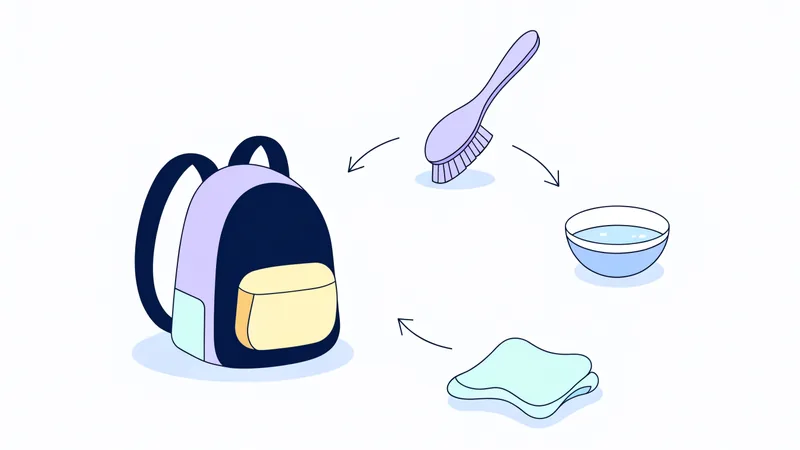
Set out the supplies for the method your bag permits. Keep the instructions on how to wash a canvas tote bag beside you, including the settings for your model.
- The bag's care instructions or a saved photograph.
- The detergent or soap those instructions allow.
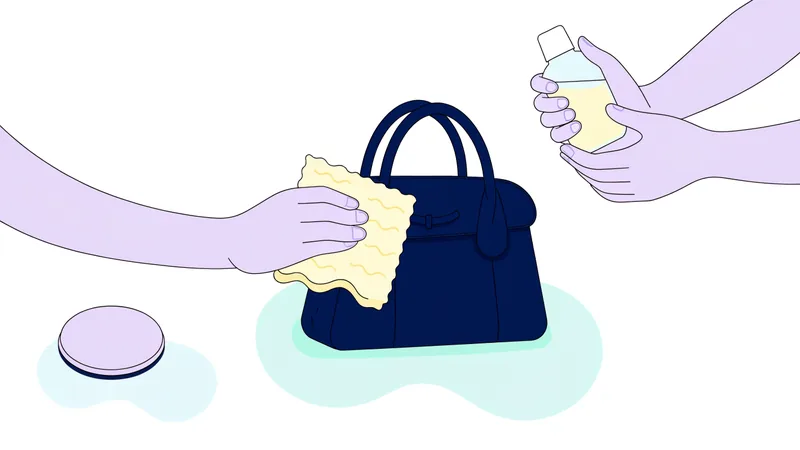
- A clean, soft cloth or sponge for permitted spot cleaning.
- A clean basin for approved hand washing.
- A suitable place for the specified drying method.
Empty the tote completely. Put receipts, coins, removable organizers, and loose accessories in a separate container. Inspect each pocket rather than relying on a shake over the sink.
Write down the main problem: an overall dirty surface, a particular spill, or a damaged print. Take a photograph before treatment. This gives you a reference if you need the maker's advice later.
Do not substitute a stain-removal experiment for ordinary washing. Identify the mark first using the bag stain guide, then confirm that treatment suits the tote.
For grocery totes, the American Cleaning Institute recommends cleaning after use and keeping food bags separate from non-food bags. Give those bags their own cleaning and storage routine.
Decide how to wash a canvas tote bag

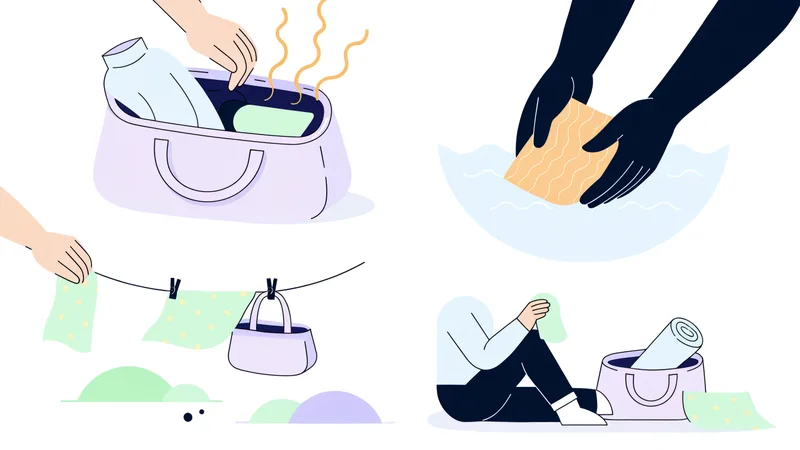
For a tote whose instructions permit hand washing, work through one action at a time. The sequence below follows published printed-tote care guidance.
- Turn the tote inside out if its instructions permit.
- Prepare cool water with the allowed amount of mild detergent.
- Move the fabric gently through the water.
- Clean permitted areas with your fingers or a soft cloth.
- Rinse with clean water until suds are gone.
- Press out excess water without twisting.
Keep treatment of the artwork within the printer's directions. Finish one approved method before deciding whether anything else needs attention.
For a spot-clean-only tote, follow the maker's directions for treating individual marks. L.L.Bean describes addressing small marks without washing the complete tote.
For a machine-washable tote, use the exact settings on its label. Permission for one canvas model does not transfer to another. BAGGU's canvas instructions themselves distinguish between constructions.
If the only readable information is the fiber content, pause before wet cleaning. Ask the maker to identify the care method from your photographs. Missing instructions are a reason to seek an answer, not choose the strongest cycle.
Reduce shrinkage risk and restore the outline
Do not promise yourself that a cold wash makes cotton shrink-proof. Whirlpool explains that manufacturing treatment, fabric construction, and laundering can affect cotton shrinkage. A universal percentage would not describe every tote.
Keep a simple record if size matters to you. Before washing, lay the empty tote flat and note its width and height. Use the same landmarks when comparing it afterward.
Choose the drying method from the bag's instructions. For its hand-washable printed totes, the supplier recommends reshaping and natural drying away from direct heat. Reshaping means arranging the outline, not pulling hard to recover a promised size.
Line up the side seams and base while arranging the tote. Leave the handles untwisted. Use your original photograph as a visual reference for the intended outline.
Assess the result only after the approved drying process finishes. Record any change before deciding on further treatment. Avoid repeated wash-and-stretch attempts based on an internet recovery recipe.
For storage, the American Cleaning Institute advises putting reusable bags away dry, with air circulation. The broader bag-care guide can help organize separate routines for other materials.
What not to do, and when to get help
Avoid treating every fabric shopper like an unprinted laundry sack. A label that permits cleaning still sets limits on the method. Read washing, bleaching, drying, and ironing instructions together.
Do not scrub a printed design or iron directly over it when the supplier forbids those actions. Published printed-tote instructions specifically warn against direct ironing onto artwork. A pressing cloth is not blanket permission to iron every finish.
Keep heat choices deliberate. BAGGU recommends line drying its canvas products because heat can damage the fabric. Do not add a dryer cycle simply to finish before leaving home.
Ask the maker or a textile specialist about valuable artwork, unknown trim, or an older tote without readable instructions. Describe what you want preserved, including the print and original shape.
If seams have opened or handles need attention, arrange a professional bag repair assessment before another cleaning attempt. Send the same photographs to both the cleaner and repairer.
Keep the request specific: identify the material, explain previous treatments, and ask which parts can be cleaned. Agree on the work before handing over a sentimental bag.

FAQ
Can you put a canvas tote in the washing machine?
Only when its own instructions allow it. BAGGU permits machine washing for many canvas products but directs spot cleaning for certain hardware-equipped styles. Other suppliers use different categories. Find the exact bag's instructions and include any separate artwork restrictions before selecting a cycle. See the manufacturer example.
Will a cotton tote shrink in cold water?
Cold water is not a guarantee against dimensional change. Whirlpool describes cotton shrinkage as involving water, agitation, heat, and manufacturing factors. Follow the tote's approved method instead of relying on a universal percentage. If size is critical, record the bag's measurements before cleaning and ask its maker about expected change. Source.
How do you protect the design on a printed tote?
Get the printer's care instructions as well as the bag's. Choose a method both allow rather than assuming the fabric instructions cover added artwork. Keep a photograph of the original print and label. If the printer is unknown, ask the seller to identify the decoration method before washing the whole tote.
How often should you wash a reusable grocery tote?
The American Cleaning Institute recommends washing reusable bags after each use while following their care instructions. It also advises separating food bags from bags carrying other items. Build that into your unpacking routine, and let the bag dry before storage. A tote's appearance alone should not set its cleaning schedule. Source.