Canvas and waxed canvas

Waxed canvas is canvas treated with wax to add water repellency; the wax formulation can vary. Choose it by the actual cloth, finish and care instructions. For a bag, compare fabric weight with the finished empty weight, and decide whether visible creases suit you.
Canvas and waxed canvas: cloth first, finish second
Canvas describes the fabric; waxing describes an additional treatment. Keep those two parts separate when reading a material label.
A cotton-duck manufacturer describes its cloth as plain weave. It offers single-fill and double-fill constructions, alongside options for different finishes. This illustrates why canvas alone does not specify one identical cloth.
| Description | What it tells you | What remains to establish |
|---|---|---|
| Cotton canvas | Cotton cloth described as canvas | Weight, construction and finish |
| Numbered duck | A supplier's numbered cloth category | Actual ounces per square yard |
| Wax-treated cotton | Cotton with a wax treatment | Exact finish and care method |
| Washable wax finish | A treatment intended to tolerate specified washing | Whether the finished bag permits that method |
Halley Stevensons describes waxed cotton as cotton with a water-repellent wax coating. Its explanation identifies several possible wax sources, including paraffin, petroleum-derived formulations and other blends.
For shopping, record the fiber and finish separately. Do not assume a wax treatment answers questions about every other component of the bag.
Compare the wider material vocabulary in the bag materials guide before choosing between a woven cloth and a coated alternative.
What fabric weights in ounces actually mean
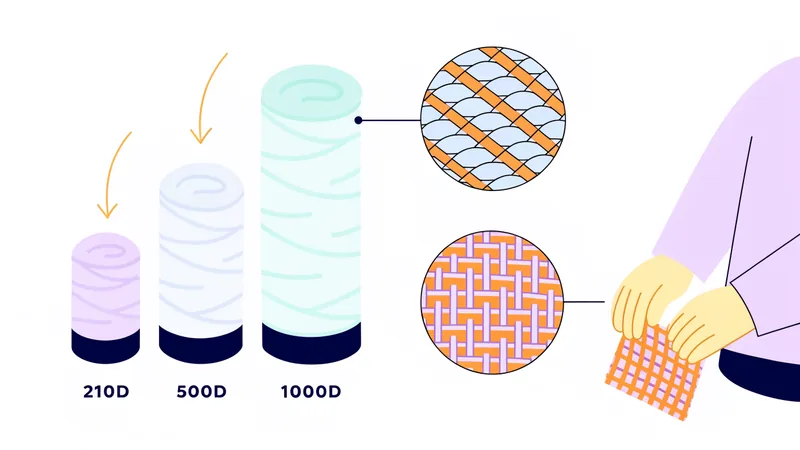
Canvas suppliers commonly state cloth weight in ounces per square yard. In that measurement, a square yard is a piece 36 inches by 36 inches.
A linear yard is a different quantity: it describes a length cut from a roll. Avoid comparing a roll's total weight with a fabric's area-weight specification.
Here is a worked example using equal areas of hypothetical cloth. The figures illustrate the arithmetic, rather than categories assigned to particular bags.
| Stated area weight | Weight of one square yard | Weight of two square yards |
|---|---|---|
| 8 oz/yd² | 8 ounces | 16 ounces, or 1 pound |
| 10 oz/yd² | 10 ounces | 20 ounces, or 1.25 pounds |
| 12 oz/yd² | 12 ounces | 24 ounces, or 1.5 pounds |
Those totals exclude lining, hardware and other components. Use a maker's finished-bag weight when deciding what you want to carry.
Also read numbered duck carefully. One supplier lists its No. 12 cloth at approximately 11.5–12 oz/yd². The number is not a promise of exactly 12 ounces.
The same supplier warns that numbered cloth weights can differ between mills. Request the actual area weight rather than comparing number labels alone.
How wax changes appearance and water behavior

Waxing adds a water-repellent treatment to the cloth, according to the mill's material explanation. Treat that as a fabric property, rather than evidence that a finished bag can be submerged.
Look for a separate statement about the whole bag's weather protection. For electronics or documents, require guidance that addresses your intended exposure, rather than relying on a close-up photograph of beading water.
Appearance changes are part of the material choice. Halley Stevensons describes creasing, patina and gradual wax loss through wear. It also notes that applying wax darkens the dyed shade.
Decide how you feel about those changes before selecting the finish. Ask for photographs of an older example made from the same cloth, while allowing for differences in use and maintenance.
A crease does not give you a diagnosis of the fabric underneath. For a used bag, inspect the fold itself and request details about holes, damaged seams or previous treatments.
For the language used in weather-protection claims, read waterproof versus water-resistant bags. Keep that assessment separate from whether you enjoy the fabric's developing appearance.
Cleaning and re-waxing depend on the exact finish
Check the care label or maker's care page first. Traditional wax treatments and specially washable finishes can have different instructions.
For its traditional waxed cotton, Halley Stevensons advises against soap, machine washing, dry cleaning, ironing and tumble drying. Yet its Wash Wax finish is described as machine washable at 86°F (30°C).
Those instructions concern particular fabrics. A bag's lining, trim and construction still need their own approved care method.
For compatible traditional finishes, the mill's wax-tin tutorial outlines this sequence:
- Brush away loose dirt and grit.
- Sponge with cold water if needed, without detergent.
- Soften the approved wax in its tin using hot water.
- Rub the dressing evenly into the fabric, including creases and dry areas.
- Follow the product's finishing instructions and allow its stated drying period.
The tutorial specifies 24 hours of drying for that treatment. Do not treat the sequence as permission to use heat or wax on an unidentified bag.
A bag maker's guide also warns against getting reproofing products onto leather trim. Seek professional care if you cannot isolate the materials or identify the original finish.
What the specification means when you shop
For a waxed canvas bag, compare the fiber, cloth weight, named finish and finished empty weight. Keep care requirements beside those specifications, rather than reading them after you have chosen the bag.
For a daily tote, decide how much maintenance you are willing to do and which appearance changes you accept. For a travel bag, add the intended weather exposure and the need to protect its contents.
Avoid two common assumptions. A heavier cloth specification is not a complete bag-quality assessment, and a washable fabric specification is not automatic permission to wash the assembled bag.
Use the bag quality guide to organize your inspection of the finished construction. Check seams, attachment points and closures separately from the cloth label.
Maintenance can be part of your choice without becoming a fixed calendar rule. The bag-care guide says wax dressing needs renewal with use. Follow the maker's instructions for when and how to renew the particular treatment.
If you are comparing untreated tote fabrics, the separate canvas and tote washing guide addresses that care decision. Do not transfer its method to a wax finish automatically.

FAQ
Is waxed canvas waterproof?
The fabric treatment provides water repellency, as Halley Stevensons explains. That description alone does not establish a complete bag's protection in prolonged rain or immersion. Read the finished-bag specification and match it to your intended use, especially when carrying belongings that must remain dry.
Does 12-ounce canvas mean the bag weighs 12 ounces?
No. Cloth weight is commonly stated per square yard, while the assembled bag has its own total weight. This supplier explains area weights and numbered duck labels. Find the finished empty weight when comparing bags, rather than treating the cloth's ounce figure as the carrying weight.
Can I put a waxed cotton bag in the washing machine?
Only if its maker permits that method for the whole bag. Some wax finishes are specifically washable, while traditional treatments have different instructions. Identify the exact finish and read the care label first. A fabric mill's washing allowance does not automatically cover lining, trim or hardware.
Why does the fabric look darker after re-waxing?
The mill's care explanation says applying wax darkens the dyed shade. Consider that appearance change before treating a bag, particularly when comparing colors. Follow the approved product instructions and seek the maker's advice if you are unsure whether a previous treatment or the original finish is compatible.
Sources
- halleystevensons.co.uk/about/about-waxed-cotton
- sspltextile.com/products/cotton-duck-fabric.php
- bigduckcanvas.com/cotton-canvas/numbered-ducks
- bigduckcanvas.com/canvas-fabric-number-12/cotton-duck
- halleystevensons.co.uk/how-to-care-for-waxed-cotto
- halleystevensons.co.uk/products/wash-wax
- halleystevensons.co.uk/reproofing-tutorial-wax-tin
- tannerbates.co.uk/blogs/news/our-waxed-canvas-care-guide