How to resell, donate or recycle an old bag
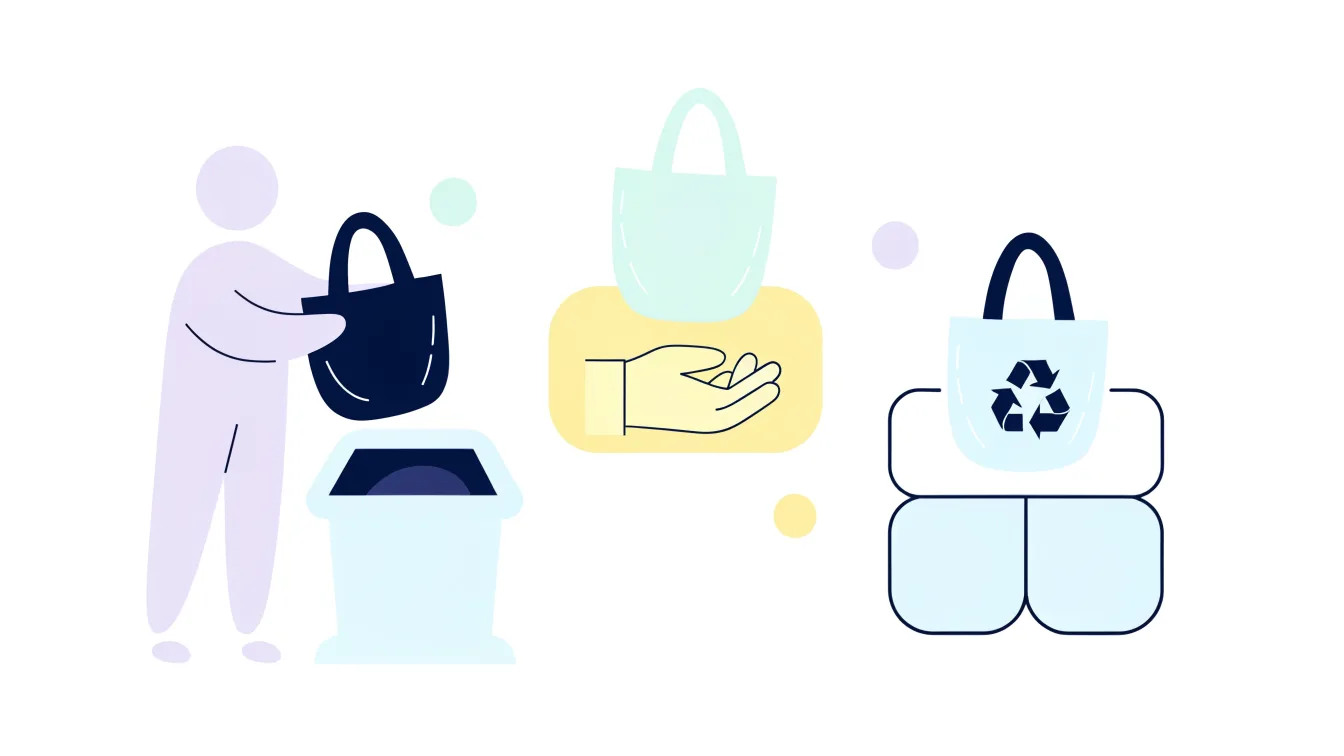
Decide what to do with old bags by separating usable items, repairable faults and materials needing an accepted collection route. Recycling depends on local acceptance. Inspect the whole bag before choosing resale, donation, trade-in or disposal, and describe its actual condition to the recipient.
This is general information, not legal or financial advice. Read the receiving service's current terms before proceeding.
Choose what to do with old bags by condition
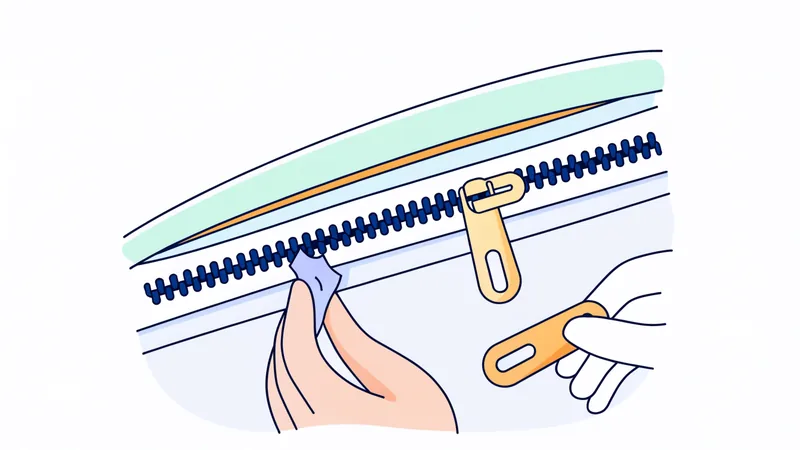
Empty the bag and inspect the parts another person would use. Operate the zipper, buckles, handles and wheels. Photograph the interior, base and any worn corners.
Make a separate note of cosmetic marks and functional faults. A faded panel and a broken carry handle should not receive the same description.
| Condition | Route to investigate | What to disclose or confirm |
|---|---|---|
| Clean and functional | Resale, donation or eligible trade-in | Actual wear and included accessories |
| Isolated repairable fault | Repair assessment | The fault and surrounding damage |
| Functional but no longer suitable for you | Donation or direct reuse | Recipient's acceptance and needs |
| Worn textile bag | Specialist textile collection | Exact item and material acceptance |
| Rigid or mixed-material case | Local waste or recovery service | Whether the whole case is accepted |
| Wet, moldy or contaminated item | Local disposal guidance | Condition before transport or collection |
These are decision prompts, not promises that a particular service accepts the item.
Use professional repair guidance before abandoning a bag over one failed component. Keep its care information with the bag-care record while deciding.
Compare resale routes before making a listing
Choose how much of the transaction you want to handle. A self-managed listing requires a different commitment from submitting an item for specialist resale.
The RealReal's seller page, checked November 2026, describes handling photography, pricing, customer service and shipping. Its accepted-designer information provides a starting point for checking eligibility. That is a service example, not a promise that any particular handbag will be accepted.
For a self-managed marketplace, read the listing and payment rules before publishing. eBay's seller-fee guidance, checked November 2026, describes selling charges. Consider the expected proceeds after applicable costs, alongside packing and handling time.
| Resale approach | Your planning task | Terms to examine |
|---|---|---|
| Self-managed shipped listing | Photograph, describe and prepare the item | Charges, dispatch and returns |
| Local handover | Agree the item and collection arrangement | Platform and payment rules |
| Specialist resale service | Submit the bag for eligibility assessment | Acceptance, pricing and payout terms |
| Brand trade-in | Confirm the specific product qualifies | Credit, condition and rejection options |
Do not choose from an advertised payout alone. Read what happens if the item is rejected, remains unsold or needs to be returned.
Prepare an honest listing or handover description
Photograph the actual bag in ordinary light. Show the front, back, base, interior, hardware and every significant defect. Include detachable straps, keys or organizers only if they are part of the handover.
Write a functional description: which compartments close, whether wheels turn and what needs repair. Avoid replacing that information with vague language such as “good for its age.”
eBay's condition guidance, checked November 2026, explains that condition labels vary by category. Use the definition for the actual listing category and describe imperfections clearly.
Before transferring a bag, follow this sequence:
- Empty every pocket. Remove documents, receipts and personal belongings.
- Remove personal identifiers. Check luggage tags and inserted address cards.
- Clean appropriately. Follow the label or maker's care page.
- Dry completely. Wait before packing or handing it over.
- Document condition. Keep photographs and the final description.
- Confirm accessories. List what the recipient will receive.
Use suitcase cleaning guidance for luggage or tote washing guidance where the material permits it.
Do not promise an outcome from a repair you have not arranged. State the visible fault instead.
Donate a usable bag to a confirmed recipient

Start with a local organization's acceptance list and contact details. Describe the type of bag, its condition and any missing component before traveling to the drop-off.
Goodwill's national donation page, checked November 2026, lists handbags among accepted accessories. It also explains that donation rules vary by local organization. That national example does not establish that every center accepts every suitcase or backpack.
For a school, shelter or community group, offer the item rather than assuming a current need. Ask which type and size would be useful. Confirm whether the group accepts used items and whether it wants individual bags or a coordinated delivery.
Separate usable donations from damaged textiles. Label any accepted repair need plainly. Do not hide the fault inside a bag of otherwise usable items.
Record the recipient and confirmed drop-off instructions, then make the handover. If you need a receipt, ask about its availability beforehand.
Keep the process practical: a clean, accurately described bag and a willing recipient. Avoid treating an unattended donation point as permission to leave an item outside when collection is unavailable.
Understand brand trade-in and textile collection
Brand trade-in is a specific program, not a general return service. Read the eligible categories, condition standards and reward type before submitting anything.
In November 2026, Patagonia's US trade-in page included eligible packs and luggage. It required clean, functional items in good condition and excluded various forms of damage. Accepted items earned merchandise credit. The page also specified product-age and tag requirements, so inspect those details before starting.
A rejected trade-in is not automatically a suitable donation. Choose any return or recycling preference deliberately, using the program's stated options.
For worn textiles, New York's environmental agency lists handbags and backpacks among collection categories. It tells users to call first and excludes wet, moldy or dirty items.
That guidance describes a regional route. Your collector must confirm its own acceptance, especially for coated fabric, heavy hardware or a rigid frame.
Do not cut apart a bag before asking. Establish whether the service wants the complete item, separated materials or neither. Keep this distinct from ordinary household recycling.
Common mistakes and the final decision
Do not put a textile bag into the curbside bin simply because the fabric contains recycled material. EPA says textiles generally require another route and advises checking with the local provider.
Do not call an entire suitcase recyclable because one component has a familiar material marking. Ask about the complete case, including its frame, lining and wheels.
Do not send a broken bag to a trade-in program that requires functional gear. Repair assessment may be a better first step, but confirm eligibility again afterward.
Avoid making environmental claims you cannot trace to the receiving program. A collection bin alone does not tell you exactly what will happen to every material. Ask the operator about its process if that affects your choice.
Set a decision date so the old bag does not return to storage indefinitely. Choose a verified route, prepare the item and complete the handover.
If no collector accepts the bag, ask the local waste service for disposal instructions. Correct disposal is preferable to placing an unaccepted item in a recycling stream.

FAQ
Can old backpacks go in the recycling bin?
Generally, no. EPA says textiles usually cannot go in curbside recycling. Ask your local provider about a separate collection route. Describe the whole backpack, including its frame and coatings, rather than only its main fabric. A specialist collector must confirm acceptance before you drop it off.
How do I decide what to do with old bags that need repairs?
Identify the fault and request a repair assessment before choosing their next destination. Patagonia's trade-in requirements, checked November 2026, illustrate that damaged gear may not qualify. Disclose unresolved faults to any buyer, charity or collector. Do not describe the bag as functional because the main compartment still holds items.
Does Goodwill accept used handbags and luggage?
Goodwill's national page, checked November 2026, includes handbags but says local acceptance varies. Contact the receiving organization about luggage or a specific backpack before making the trip. Describe condition and missing parts clearly. Confirm the drop-off location and current collection arrangements at the same time.
Can a worn bag qualify for brand trade-in?
It depends on the program and the actual wear. Patagonia's requirements, checked November 2026, include functional, clean gear while excluding heavy wear and other defects. Check the exact category, tags and product age. Also confirm whether the reward is cash or merchandise credit before submitting it.
Sources
- epa.gov/recycle/frequent-questions-recycling
- goodwill.org/give/donate-goods
- ebay.com/help/selling/listings/item-conditions-category
- ebay.com/sellercenter/selling/start-selling-on-ebay/seller-fees
- therealreal.com/sell-trr
- patagonia.com/trade-in
- dec.ny.gov/environmental-protection/recycling-composting/recycling-resources/textile-re…