How many bags do you need? Building a capsule collection
Answer “how many bags do I need” by counting the jobs your existing bags cover, rather than following a fixed collection size. Start with daily carry. Add another bag when a recurring load, occasion or carry requirement remains genuinely unresolved.
How many bags do i need for my actual routine?
List the activities that create different carrying jobs. Use your normal week first, then add recurring travel or dressed occasions.
Assign a bag you already own to each activity. Let the same bag appear more than once if it serves several jobs.
This table is a planning aid. It does not prescribe a minimum number of bags or a separate purchase for every row.
| Role | Load to try | Existing bag to consider | Reason for a separate bag |
|---|---|---|---|
| Daily carry | Usual work or personal belongings | Your current backpack, tote or messenger | Its layout or carrying method fails the daily job |
| Light outing | Phone, keys, wallet and other essentials | A small bag or the daily bag | You want a distinct small-load arrangement |
| Dressed occasion | Your own event necessities | An existing compact or work bag | Actual event requirements or your preferred appearance |
| Overnight travel | Clothing, toiletries and essentials | A suitable existing travel bag | The packed travel load cannot be accommodated |
| Activity-specific carry | The equipment you actually use | An existing bag intended for that use | The activity requires a distinct design or arrangement |
Start with the bag buying guides when a role remains uncovered. Decide on function before naming the size of the collection.
Build around the daily bag first
Give the daily role the most detailed trial. Lay out the belongings you take regularly and separate occasional extras.
Include the computer's usual sleeve, charger, bottle, notebook or lunch arrangement where those belong to your day. Do not remove them to preserve an appealing silhouette.
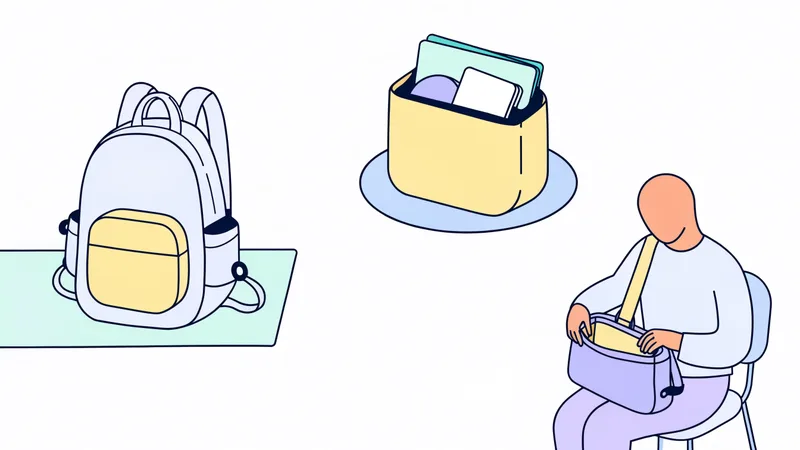
Pack an existing candidate and use its intended closure. Decide whether you can retrieve frequent-use items without rearranging everything else.
Then consider the entire route. Try the intended carry method with outerwear and decide whether it suits the journey you actually make.
For scale, the published daypack example holds 20 liters. Use that as a reference point, not a target for every person.
A smaller or larger arrangement may fit your role. Let the complete packing trial settle what you need.
If this bag also serves errands or casual outings, assign it those jobs in your plan. Do not create a new purchase category merely to keep the collection symmetrical.
The men's bags guide compares several carrying formats that anyone can consider.
Add a smaller or dressed option only for a distinct reason
Next, compare the daily bag with your light-outing routine. Decide whether carrying it for a small load bothers you enough to justify another arrangement.
A small bag may give you the carrying method you prefer. It may also duplicate a role that an existing bag already fills well.
For dressed occasions, begin with the invitation and your own essentials. Pack the phone, glasses, keys and other items you need together.
Choose a different bag if there is a real requirement or a look you want. Describe the reason plainly rather than calling it compulsory.
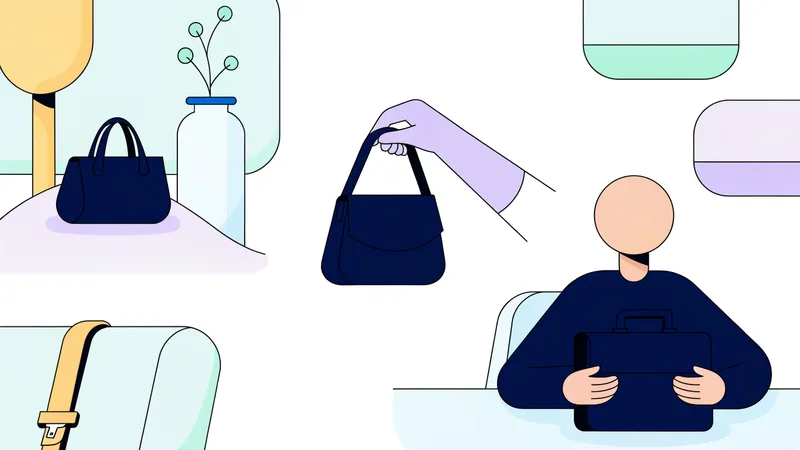
Try the candidate with several outfits. A small bag can cover different occasions if you enjoy the combinations and its function works.
Use matching a bag to an outfit to explore those combinations before adding more colors.
Keep any event option in proportion to the frequency of the job. For an occasional need, consider an existing suitable bag before deciding to own another one.
A capsule collection should serve your routine, including the routines that happen less often.
Separate travel capacity from the number of nights

Make a packing list for the trips you actually take. Include the clothing, footwear and toiletries involved instead of relying on an overnight label.
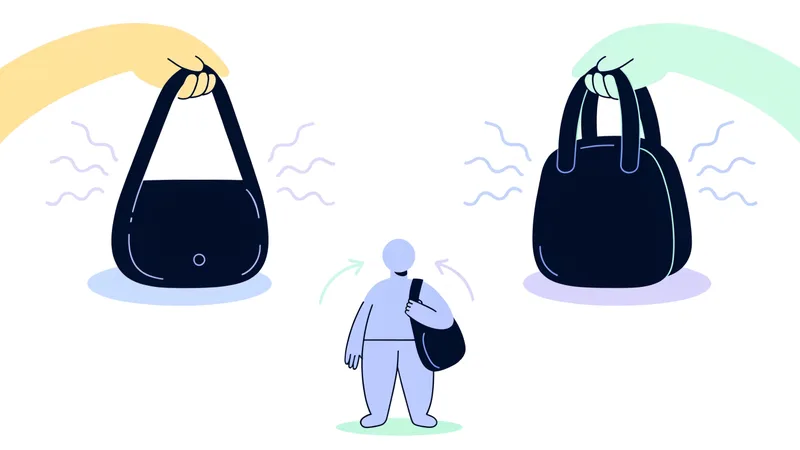
Pack a travel bag you already own. Try lifting it with each intended carry option and decide how you would manage it on your route.
The published duffel example holds 40 liters and weighs 2 pounds 4.9 ounces empty. Those figures describe one design, not a universal short-trip requirement.
Record the finished outside dimensions of your own packed bag. For operator travel, compare them with the operator's current instructions before departure.
Keep the packing job and the baggage allowance as separate checks. Do not rely on a generic travel label to settle both.
If your daily bag accommodates the actual trip load, you may not need another bag for that trip. If it does not, identify the specific gap.
Use duffel bag sizing for the measurements and capacity questions to compare while planning.
Build the collection in a deliberate order
Use the following sequence to distinguish a real gap from an appealing duplicate. Start by assigning jobs to the bags already available.
- Inventory your bags and note their intended carrying options.
- List daily, occasional and travel loads.
- Assign an existing bag to each load and setting.
- Test the assigned bags with the actual belongings.
- Write down any failure in specific terms.
- Resolve packing, layout or maintenance issues where practical.
- Consider another bag only for the remaining gap.
For computer carry, read the protection details independently of size labels. Timbuk2 specifies an unpadded divider in one messenger design.
Follow your device provider's handling instructions when planning its protection. Do not assume every compartment supplies the same arrangement.
If appearance is the unresolved issue, compare one existing bag with several outfits. The versatile bag colors guide can organize that exercise.
Keep a brief note explaining each bag's role. If two notes are identical, decide whether you want the duplication as a preference or need something different.
Common mistakes when building a capsule collection
When answering “how many bags do I need,” avoid treating someone else's collection count as a target. Plan around your own equipment and routine.
Avoid starting with several colors of the same shape before testing whether the shape works. Settle the practical role first.
Avoid counting every activity as an automatic purchase. Assign one bag to several roles when it serves them well.
Avoid replacing a usable bag to make the whole collection match. Try visual coordination with the clothes you already wear.
Avoid keeping an imaginary future trip at the center of today's decision. Add equipment when the actual trip creates a clear requirement.
Finally, avoid using a small collection as a reason to ignore a recurring practical problem. A distinct need deserves its own solution.
Keep the collection as small or varied as your real roles justify. You can enjoy bags as objects while still separating enjoyment from necessity in the plan.

FAQ
Is three bags enough for a capsule collection?
It may be enough if those bags cover your actual roles. Assign them to daily carry, smaller outings, events and travel, allowing overlap. Test each load before deciding. The count is the result of that exercise, rather than a rule that guarantees every role will be covered.
Can one bag work for both the office and weekends?
Yes, if it carries the belongings involved and fits the settings you actually visit. Try both packing lists with the bag you own. Compare access and the intended carry method. Keep using one bag when it serves both jobs, rather than adding another simply to separate the calendar.
Do I need a separate evening bag?
Start by trying an existing suitable bag with the outfit and event essentials. Consider another only if a specific requirement, practical gap or desired look remains. You do not need to leave necessities behind to meet a collection plan. Decide from the actual occasion rather than a universal checklist.
How do I know when another bag is justified?
Write a specific sentence describing the unresolved job. For example, your daily equipment may not fit a candidate's opening, or the intended carry method may not suit your route. Try an existing alternative first. Consider another bag when you can identify what it would do differently and why that matters.