Packing for a ski trip

A ski trip packing list should separate boots, long equipment, clothing, and personal essentials. Pack around the gear you are bringing or renting. For flights, weigh the equipment bags together where required; airline rules can combine their weight.
Start your ski trip packing list with airline rules
The official airline examples below were checked in November 2026. Apply the policy for the airline operating your flight and any route-specific restrictions.
| Airline example | Published ski-equipment treatment | Packing consequence |
|---|---|---|
| Delta | Ski/pole or snowboard bag plus boot bag; combined weight determines applicable excess-weight charges | Weigh the packed pieces together; Delta policy |
| Delta | Equipment outside dimensions may not exceed 115 linear inches, or 292 centimeters | Add length, width, and height; Delta policy |
| American | A qualifying ski or snowboard set and equipment bag count together; combined weight above 50 pounds, or 23 kilograms, changes charging to separate items | Include both pieces when calculating the load; American policy |
Standard checked-bag charges can still apply. Neither example promises free transport merely because the contents are sports equipment.
Read the sports equipment flight guide for the wider handover process. Keep your ordinary clothing luggage separate in the calculation.
Record what each equipment bag contains before closing it. Do not add unrelated belongings on the assumption that every carrier permits the same combination.
Give boots a deliberate travel arrangement
Decide whether you are bringing your own boots or renting them before allocating space. If renting, retain the booking details with your travel documents.
For your own equipment, follow the boot maker's transport instructions and the bag's packing directions. Keep accessories organized without forcing the bag to close.
If carrying boots in the cabin, check the packed bag against your actual allowance. Delta's cabin policy describes its permitted bags and size restrictions.
Use the carry-on luggage guide to plan that arrangement. Include the boots when measuring and weighing the complete cabin bag.
For checked boots, use the applicable ski-equipment policy rather than counting the boot bag independently by habit. The combination can affect the equipment's total chargeable weight.
Keep a written contents list for the boot bag. Put the items you need at the accommodation together so the bag does not become miscellaneous storage.
Before the return journey, follow the equipment's care instructions and allow time for drying. Pack damp accessories separately from the clean clothing reserved for travel home.
Pack the ski or snowboard case methodically
Use a travel container appropriate to the equipment and accepted by the carrier. Delta explicitly requires a durable protective container designed for sports equipment.
Follow the equipment and case makers' instructions for supports, restraints, and any permitted disassembly. Leave binding adjustment to the appropriate qualified technician.
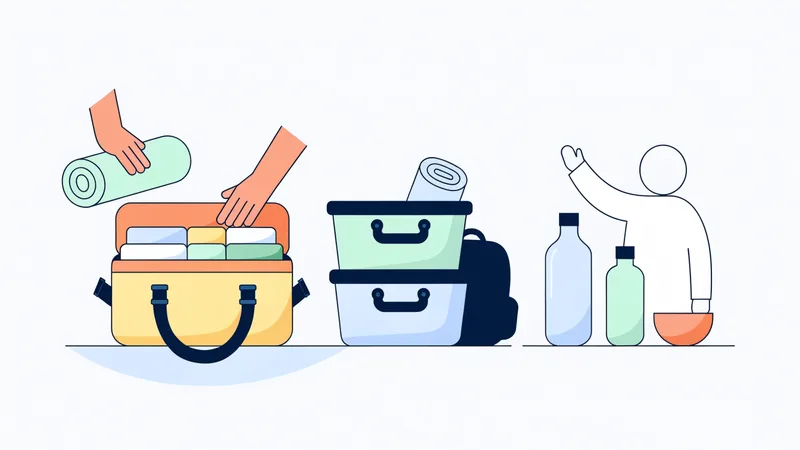
- Lay out the equipment. Match skis or snowboard, poles where applicable, and accessories to the carrier's permitted contents.
- Prepare the container. Fit its prescribed protective pieces before putting equipment inside.
- Secure the load. Use the case's intended restraints and close it without forcing zippers or catches.
- Check the packed dimensions. Include the container rather than measuring the skis alone.
- Weigh the complete arrangement. Add the boot or equipment bag where the airline's policy requires it.
- Label the pieces. Keep identifying details and the contents record available during handover.
Do not improvise a packing method that conflicts with the equipment instructions. If the container cannot close properly, remove contents or change the arrangement before travel.
For broader baggage calculations, use the luggage weight limits guide.
Organize bulky layers by when you need them

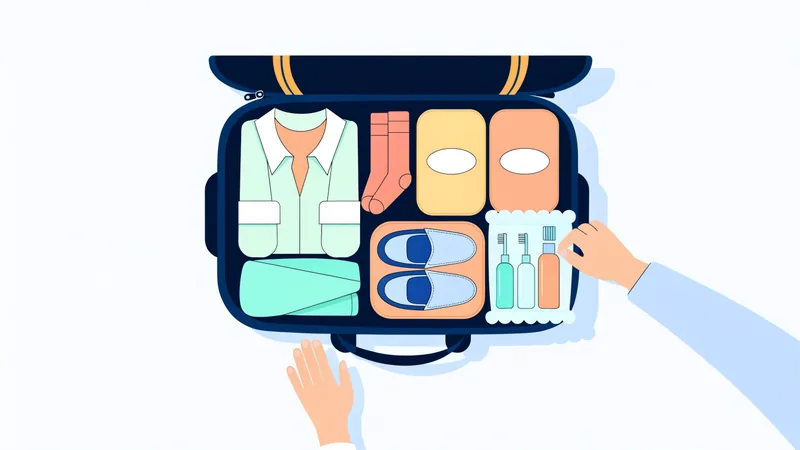
Lay out a complete skiing outfit before adding evening clothing. Include base clothing, insulating layers, outerwear, socks, gloves, headwear, and the accessories your activity requires.
The National Park Service recommends layers that can be added or removed and favors wool or synthetic clothing over cotton for winter conditions.
Use that general winter guidance alongside the resort's current conditions and activity instructions. Pack spare dry clothing separately, as NPS advises, rather than mixing it with used gear.
Put the clothing you want on arrival near the opening of your travel bag. Keep the next clean travel outfit out of the daily ski-clothing rotation.
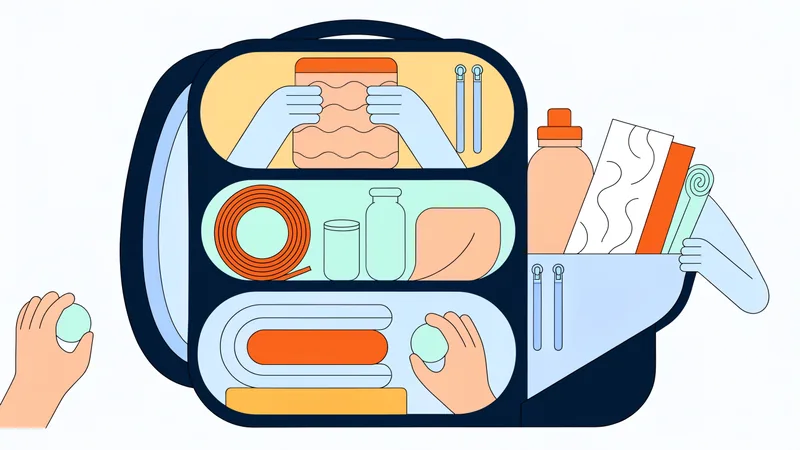
Use packing cubes to group clothing if they suit your luggage. Label groups by purpose, such as base clothing, evening clothes, and spares.
Do not fill every remaining pocket just because a jacket looks bulky. Reassess the total clothing plan against laundry access and the length of your stay.
Keep goggles and other delicate accessories in their intended protective packaging. Follow individual care instructions when packing equipment beside clothing or arranging it for the return journey.
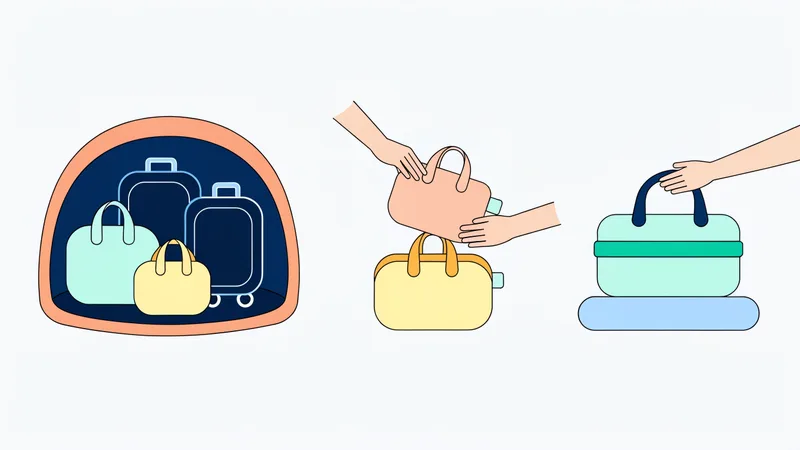
Packing checklist grouped by bag
Adapt this suggested allocation after deciding which equipment you will rent. Use the packing guides hub to coordinate it with the rest of your travel belongings.
| Bag or container | Suggested contents | Final check |
|---|---|---|
| Ski or snowboard case | Long equipment and permitted accessories | Case instructions, packed dimensions, carrier contents rules |
| Boot or equipment bag | Boots and accessories permitted by the airline | Combined weight where required |
| Clothing luggage | Base clothing, insulation, outerwear, socks, evening clothes | Activity outfits and laundry plan |
| Personal travel bag | Documents, payment cards, necessary medicines, arrival essentials | Actual cabin size and weight allowance |
| Accessory pouch | Goggles in their case, gloves, headwear, lift-pass details | Easy access before leaving the accommodation |
| Dry spare-clothing pouch | Clean clothing kept apart from used gear | Available when needed, following winter guidance |
| Return laundry container | Used clothing and separately packed damp items | Empty and complete care routines after arrival |
For helmet transport, follow the helmet maker's instructions and carrier contents rules. Avoid treating the helmet as a spare container for loose belongings.
Run through the first morning at the accommodation. Locate each item in the order you will use it, then replace it in its assigned bag.
Common mistakes
Weighing the ski case alone. Include the accompanying equipment bag when the carrier requires a combined total. Check before adding clothing to any remaining space.
Assuming sports equipment travels free. Consult your actual allowance and charges. The special equipment category can change counting without removing standard baggage charges.
Packing wax tools without checking restrictions. American prohibits lighters and torches for applying ski wax. Resolve restricted-item questions before closing the bag.
Leaving the arrival outfit inaccessible. Place what you need after landing together. You should not need to open the long equipment case to find ordinary travel clothing.
Mixing wet gear with the return outfit. Reserve clean clothing and separate used items while following their care labels. Allow drying time before the final repack.
Planning resort skiing and backcountry travel as the same outing. This checklist covers travel organization. For different terrain, obtain activity-specific local guidance, equipment instruction, and appropriate training before changing your plans.
FAQ
What belongs on a ski trip packing list?
Include your chosen ski or snowboard equipment, boots if bringing them, clothing layers, activity accessories, personal travel essentials, and spare dry clothing. Begin by removing anything you will rent. Then divide the remaining belongings between equipment containers and ordinary luggage, applying your carrier's actual size and weight rules.
Do ski and boot bags count as separate checked bags?
It depends on the airline and the packed combination. American combines a qualifying set and equipment bag under stated conditions, with different charging above its combined-weight threshold. Read the current policy for your itinerary before choosing the bag arrangement, and count your ordinary luggage separately.
Should I rent equipment to reduce luggage?
Compare the equipment you want to bring with what your destination actually supplies. Confirm the rental booking, collection arrangement, and included items before removing gear from your list. Keep the clothing and personal equipment you still need. This decision depends on your trip rather than a universal packing rule.
How should I pack bulky ski clothing?
Organize it into planned activity outfits, spare dry clothing, and evening wear. Group smaller items so gloves and socks remain easy to locate. Use layers suitable for conditions, following NPS winter guidance. Keep the arrival outfit accessible and follow care instructions for both clothing and luggage.