Backpack size chart: what 20, 30 and 40 liters really hold
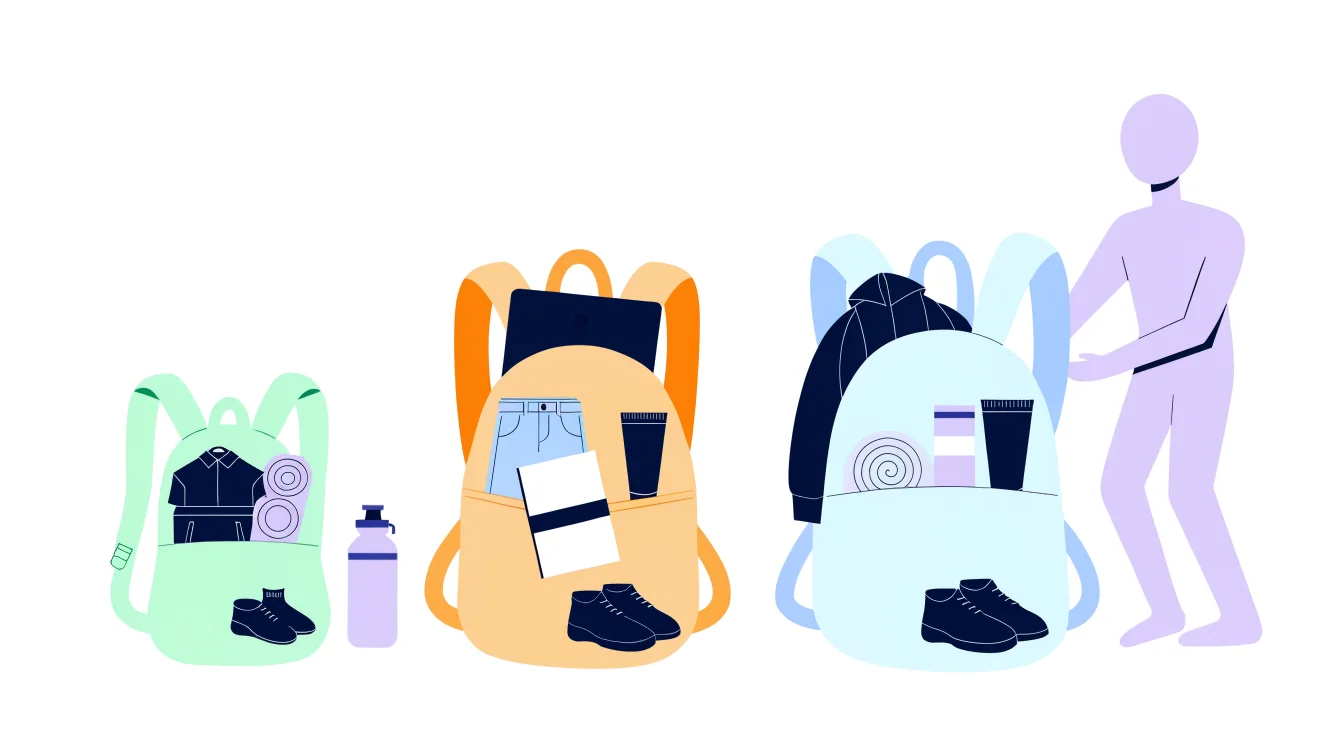
On a backpack size chart, a 20-liter pack is usually a compact day bag, and 30 liters adds room for clothing or gear. Forty liters can serve some short trips. Capacity is only one factor: a bag's shape, opening and your actual items determine what fits.
Backpack size chart: quick guide
The ranges below are practical starting estimates, not verified load lists for a specific model. Bulky shoes, a winter jacket or a large camera can consume more space than folded T-shirts. Shoes and laptop dimensions matter more than a liter label.
| Capacity | Typical contents | Common use | What becomes difficult |
|---|---|---|---|
| 10–15L | Water, wallet, light layer, snack | Short walks, minimal errands | Bulky jacket or change of shoes |
| 16–20L | Daily essentials, light layer, small lunch | School, commuting, short day hikes | Full change of clothes plus shoes |
| 21–25L | Day kit with spare layer, lunch and accessories | Daily commute, active day trip | Several days of clothing |
| 26–30L | Work kit plus extra clothing, or a generous day-hike kit | Work-to-gym, long day outings | Bulky overnight gear |
| 31–35L | Clothes, wash kit and small accessories for a light short trip | Minimal overnight travel | Heavy winter clothing and footwear |
| 36–40L | A minimalist short-trip clothing kit with organizers | One-bag travel for careful packers | Large boots, extensive equipment |
| 41–50L | Longer-trip clothing, bulky layers or camping gear | Extended travel, gear-heavy use | Underseat storage; many carry-on limits |
A 40L bag is not automatically right for four days, and a 20L bag will not fit everyone's daily kit. Write a real packing list before choosing from this backpack size chart.
What 20 liters tends to hold
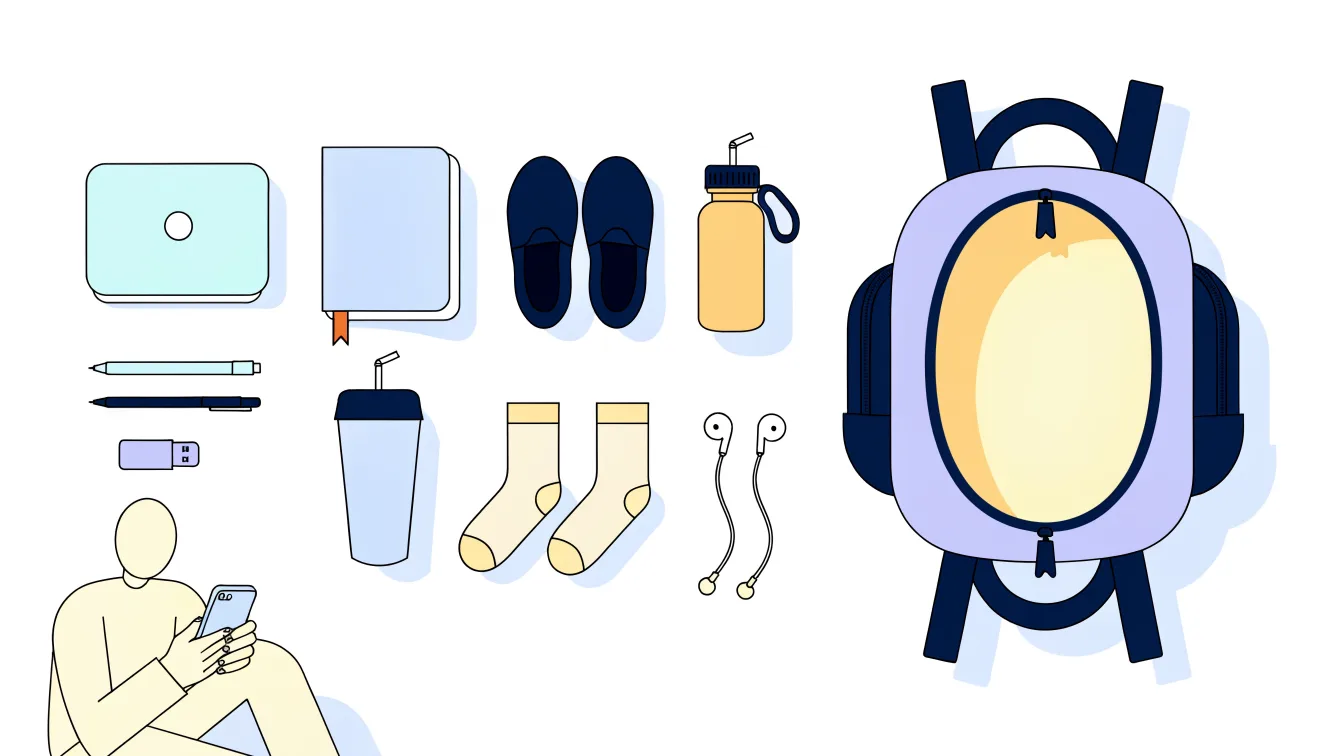
Think daily carry: a water bottle, notebook, lunch, small tech accessories and an outer layer. If a padded laptop compartment is required, ensure the laptop itself fits. Screen size is a diagonal measurement; it does not establish the laptop's width or thickness.
A 20L pack is often less cumbersome on transit and in crowded rooms. Its weakness is seasonal.
An insulated jacket or spare shoes can crowd the same space used for the laptop and lunch. A structured interior may also hold less oddly shaped gear than a simple main compartment.
For a student or commuter, prioritize the laptop dimensions, strap padding and quick access. For a day hiker, check water-carry options and whether a rain layer fits when the pack is full. See the everyday backpack guide for features beyond liters.
What 30 liters adds
A 30L pack may accommodate spare clothing and gym supplies alongside daily essentials. It also creates room for a camera, additional food or colder-weather layers on a day hike. Ten extra liters is real room, but not a promise that everything fits at once.
The major trade-off is bulk. More volume can invite unnecessary equipment, and weight matters even when the bag is not filled to capacity.
Choose a comfortable harness with enough adjustability for the expected load. A clamshell opening is easier for flat packing, while a top-loading shape may work well for trail equipment.
One maker's daypack collection alone runs 26L, 28L and 32L around this mark, so compare the actual pack, not a round number. For carrying heavier loads outdoors, the hiking fit guide is more relevant than the capacity label alone.
What 40 liters changes
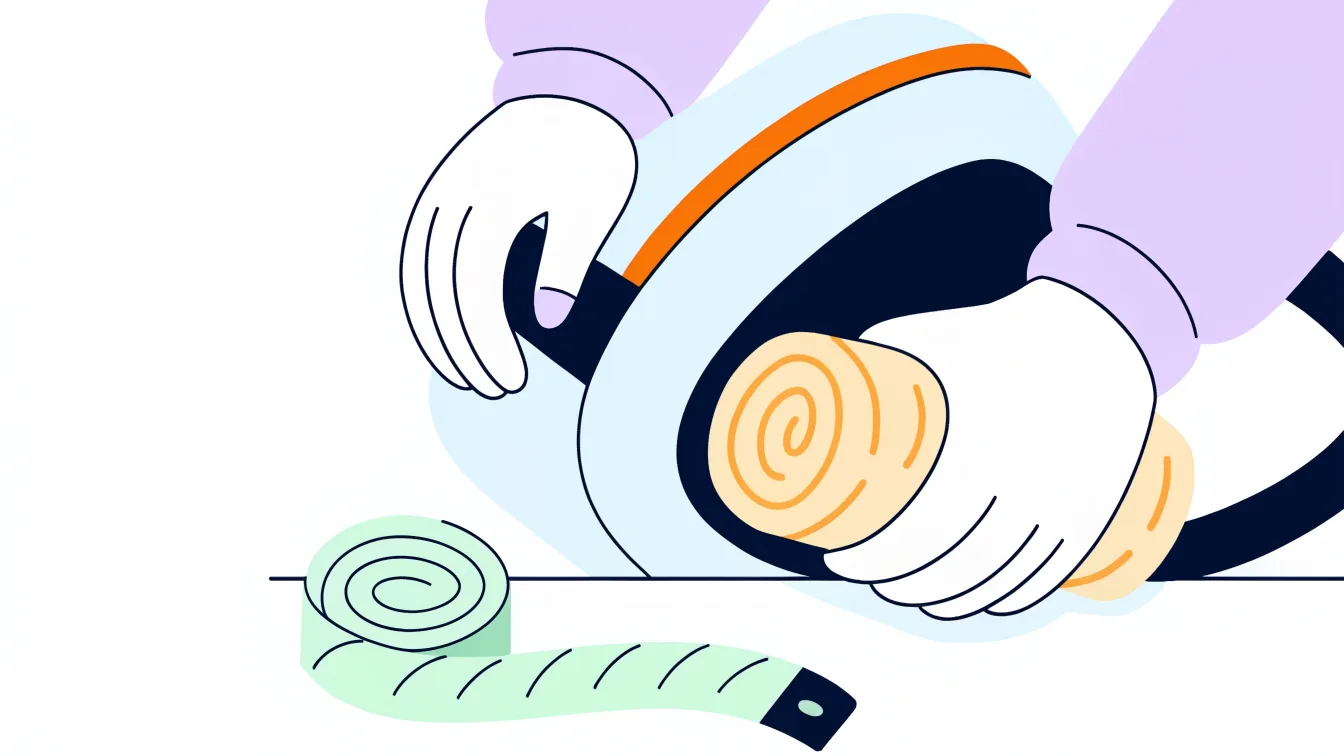
Forty liters brings a different use case: compact travel, not just daily essentials. A careful packer may fit several outfits, toiletries, a compact extra pair of shoes and small electronics.
The result depends on fabric bulk, destination climate and bag organization. A harness that feels fine under a 20L commute load can dig in under a full 40L pack.
Do not confuse capacity with carry-on status. A 40L travel pack can be tall, deep or wide enough to violate an airline's stated limits.
Check the maker's full outside dimensions, then re-measure with the pockets packed. A "travel" label does not mean it meets every airline's rules.
A 40L hiking pack and a 40L travel pack also serve different access needs. Trail gear is often arranged around load balance and suspension; clothing-focused packs may use a suitcase-style opening. Consult travel backpacks when planning flights.
How to select your size in four steps
- Write the packing list. Lay every item on a bed or floor, including shoes and outerwear.
- Separate must-haves from optional items. Do not size the bag around rarely used extras.
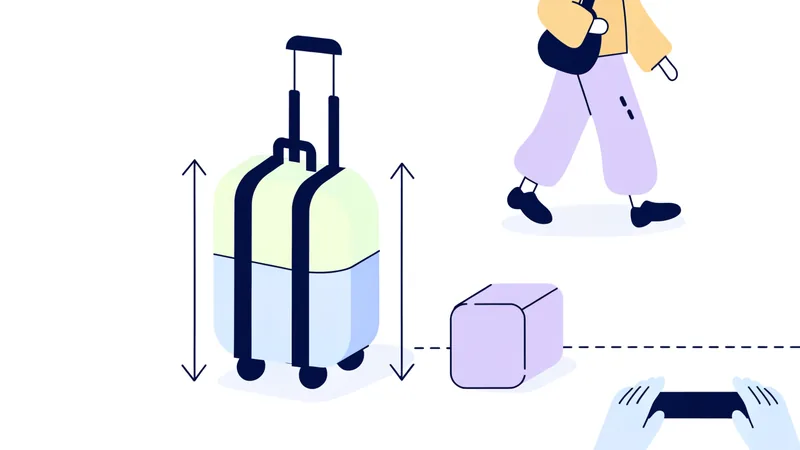
- Test a reference bag. Use a bag with a known capacity, or compare your kit against a box with measured interior dimensions.
- Check the real fit. Review outside dimensions, laptop sleeve size, harness adjustability and packed weight.
For rigid equipment, measure the object's dimensions directly. A bag with more volume may still have a narrower opening than a smaller bag.
The bag measurement guide shows how to compare exterior dimensions and volume. For other bag types, start with the bag sizes guide.
Mistakes that lead to the wrong capacity
Buying the largest bag for flexibility can make daily use harder. Choosing purely by advertised liters ignores the opening and interior shape.
Another common mistake is trusting a "15-inch laptop" label: screen diagonal says nothing about a laptop's width or thickness. Travelers also pick 40L without checking the airline or how much weight they are happy to carry.
Start with the intended activity. A backpack comfortable when nearly empty may become unpleasant with shoes, electronics and water added. Pack it as intended and wear it before a long trip if possible.
The short answer
- 20L for a laptop, lunch and a layer: school, commuting, short hikes.
- 30L when a change of clothes, gym kit or a camera rides along: work-to-gym, long day trips.
- 40L for a light short trip, after checking the packed outside dimensions against the airline.
If the list is long or the items are rigid, size the bag to the biggest object, not the liter label.
FAQ
Is a 20L backpack big enough for school?
It may be suitable when the student carries a small computer, notebooks and lunch. Large binders, sports equipment and heavy textbooks can require a different shape or size. Check classroom requirements and the child's fit before choosing only by liters.
Can a 30L backpack hold clothes for a weekend?
Often, for someone packing lightly. The exact answer depends on clothing sizes, weather, spare footwear and the bag's design. Test the proposed packing list rather than expecting a universal number of outfits to fit.
Is a 40L backpack allowed as carry-on luggage?
A 40-liter rating cannot answer that. Airlines judge packed exterior dimensions and sometimes weight. Look up the airline's current baggage rules and compare all outside measurements, including handles and any bulging pockets.
What is the difference between a 25L and 30L bag?
Nominally, the difference is five liters of volume. That extra space may help with a jacket or a change of clothing. Internal compartments, shape, access and harness support can matter more than the five-liter difference.
Should I buy extra space for future trips?
Only if the larger bag remains comfortable for its most common use. An occasional bigger trip may be better handled with a separate duffel or suitcase. Daily bulk and carrying comfort are costs you experience much more often.