Tote bag size guide
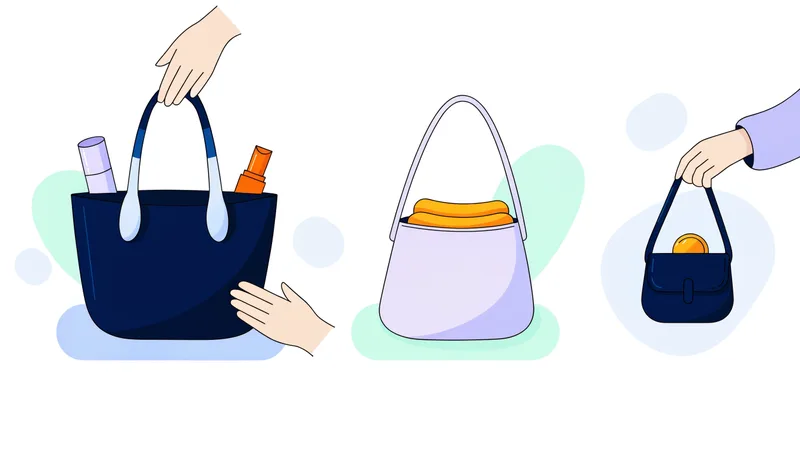
Choose tote bag size around the largest items you carry together, then check the base, opening and handles. Published tote specifications can distinguish base length from body height. Compare your packed lunch, covered laptop or grocery load with those measurements before choosing a size label.
Match tote bag size to the job
Start with the objects, not the name of the size. Choose a representative load for lunch, work, the beach or shopping. Keep the rigid items beside you while comparing measurements.
This table uses published bag dimensions as reference points. The suggested uses are packing checks, not tested fit claims or recommendations. Dimensions are body length x height x depth, in inches.
| Use to investigate | Published dimension example | Liters | What to try in the available space |
|---|---|---|---|
| Lunch and small essentials | Small tote: 9.5 x 10.5 x 5 | 8 L | Your closed containers and any separate lunch pouch |
| Laptop commute | L tote: 12.2 x 11.8 x 7.5 | Not published | The covered computer, charger and other daily items |
| Beach outing | Large tote: 17 x 15 x 7.5 | 35 L | Your folded towels and packed accessories |
| Grocery run | Extra-large tote: 19 x 17 x 10 | 56 L | The container shapes and load you intend to carry |
The small, large and extra-large numbers come from L.L.Bean's Boat and Tote chart. The laptop-row dimensions come from Longchamp's L Tote specifications.
Use bag sizes to compare the tote with other formats before narrowing the choice.
Measure the load and then the bag
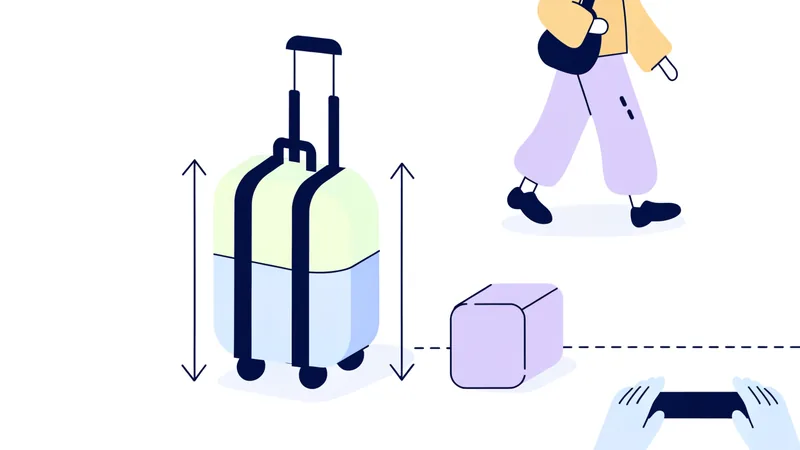
Keep dimensions in the same order throughout your notes. A long, shallow container needs a different footprint from a tall bottle, even when both belong in the same lunch load.
Follow this sequence:
- Gather the intended contents. Include cases, covers and filled pouches.
- Measure the rigid objects. Record their outer dimensions.
- Arrange the combination. Decide which items must sit upright or side by side.
- Measure the supporting base. Compare its length and depth with that arrangement.
- Measure body height. Check the space beneath the intended closure.
- Measure the opening. Confirm that the largest rigid object can pass through.
- Try the complete load. Close the bag normally where a closure is provided.
Do not substitute a photograph's apparent width for a published measurement. Longchamp explicitly measures the M Tote's length at the base. Its listed body dimensions do not supply a separate opening measurement.
If you cannot try the actual bag, make an outline from its published dimensions. Mark the unknown opening and interior measurements rather than assuming them.
For consistent terminology, use how to measure a bag.
Check laptop fit and lunch fit separately

For a work load, begin with the covered computer. Measure the complete device rather than relying on the screen-size label. Add the charger and the other items you carry on the same day.
Longchamp's L Tote page states that it accommodates a 13-inch laptop. That is a model-specific claim to compare with your own device, not permission to substitute any computer with that screen label.
A dedicated sleeve needs its own check. Osprey's 20 L Daylite Tote Pack describes a padded sleeve for most laptops up to 14 inches or a tablet. That feature is separate from the bag's overall volume.
For lunch, measure the closed containers and the outside of any insulated pouch you will place inside. Assess the combined workday load rather than checking the laptop and lunch independently.
| Item combination | Fit check | Decision |
|---|---|---|
| Computer and sleeve | Compartment and opening | Confirm the actual device |
| Lunch containers | Base footprint | Check the intended arrangement |
| Both together | Complete packed layout | Check closure and access |
| Charger and extras | Remaining assigned spaces | Avoid relying on unspecified spare room |
Use measuring a laptop for a bag for the device comparison.
Measure handle clearance for your carry position
Treat the handles as a separate part of the decision. Choose whether the tote will usually travel in your hand, over your shoulder or alongside another bag.
On a tote you already find comfortable, measure the vertical clearance from the top of the body to the highest point of the handle. Record the method and take a photograph. Do not confuse that space with the handle's complete length along its curve.
Maker terminology needs careful reading. Longchamp's M Tote publishes an 8.3-inch handle height. The L Tote publishes 9.8 inches. Those figures describe those references, not every M or L tote.
Compare your preferred bag with the candidate's diagram, then try it with your normal outer layer. Check reaching into the bag, moving your arm and setting it down.
If the page supplies only “long handles,” request the actual measurement before relying on that description. A paper body outline cannot reproduce handle clearance.
Use bag straps explained when comparing drop, handle height and full strap length.
Common mistakes and the final choice
Do not treat liters as a load limit. Use capacity to compare volume, then consult the maker's instructions for any weight restriction. A large tote does not tell you how much you personally want to carry.
Do not turn external dimensions into a packing guarantee. Include the closure, interior organization and your actual containers in the decision. Mark any measurement the maker does not publish as a question to resolve.
Avoid sizing for a rare load at the expense of your ordinary one. Write down the daily contents and occasional additions separately. Decide whether a second bag would suit the occasional job.
For a short decision summary, choose the candidate that supports your largest rigid item, accommodates the complete regular load and suits your preferred carry position. Check each condition together.
If a larger open compartment is the main requirement, compare the duffel size guide. If smaller essentials are the priority, use the handbag size guide.
Keep the exact reference and measurements with your packing list. That makes future comparisons repeatable without relying on “large tote” as a specification.

FAQ
What tote bag size do I need for a laptop?
Measure the computer in its sleeve and compare it with the actual compartment and opening. A published laptop-tote example gives a model-specific 13-inch fit claim. Add your charger and other daily contents before deciding. A matching screen label alone does not complete the check.
How many liters should a beach tote hold?
Start with your folded towels and packed accessories, then compare the resulting load with a published capacity. One large tote example is listed at 35 L. That is a reference point, not a minimum for every beach visit. Check the actual combination and carry arrangement.
Is handle length the same as handle drop?
Keep the measurement method explicit. End-to-end length along a handle is different from the vertical clearance above the body. A maker may publish handle height instead. Compare diagrams and measure a tote you already like, then try the candidate in your intended carry position.
Can a tote fit lunch and a laptop together?
Check both together using your actual covered device and containers. A 20 L tote-pack specification lists its laptop sleeve separately from total capacity. That distinction matters: the laptop compartment and remaining packing layout need separate checks before you assess the complete workday load.