Ripstop fabric explained
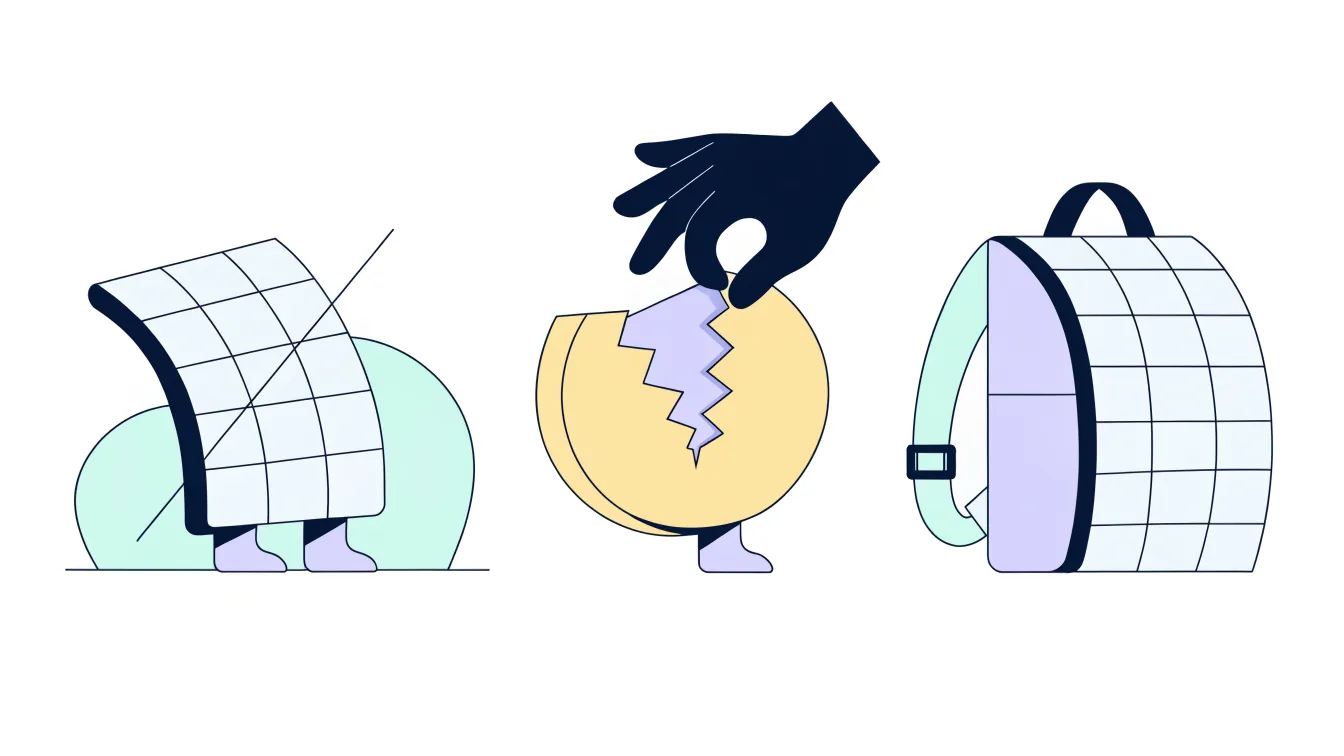
The answer to "what is ripstop" is a woven fabric construction with a reinforcing grid that helps resist tear growth. A material maker documents separate base yarns and grid yarns. Choose by the full specification, including fiber, denier, weight and coating, rather than the grid alone.
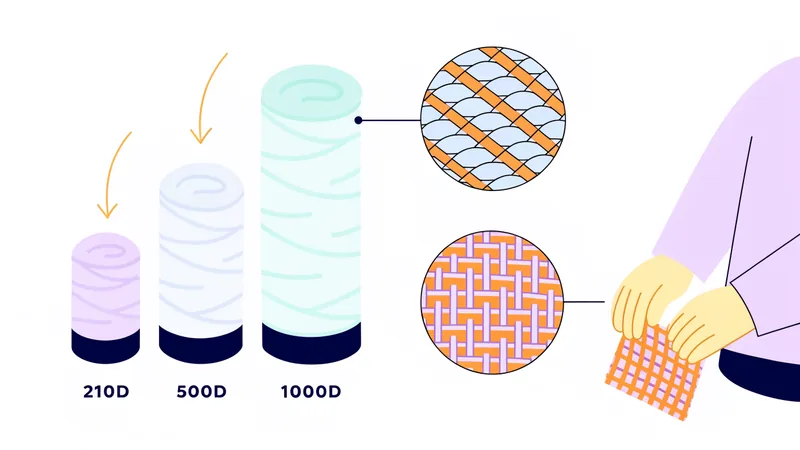
What is ripstop doing inside the weave?
The grid is part of the woven structure. It is useful to distinguish the base cloth, reinforcing yarns and surface finish when reading a specification.
For a concrete example, Challenge describes UltraGrid with a 210D nylon base and double 200D Ultra reinforcement. The grid's fiber is ultra-high-molecular-weight polyethylene, while the base is nylon.
That is one named construction, not a recipe for every fabric with a visible check pattern. Another maker's 210D ROBIC specification uses nylon 6 and a square ripstop grid.
| Specification field | What to look for | What it helps you distinguish |
|---|---|---|
| Base fiber | Nylon, polyester or another disclosed fiber | The main material |
| Reinforcing grid | Yarn type and layout | How the reinforcement is built |
| Denier | Stated yarn size | Fiber or yarn weight per length |
| Area weight | Ounces per square yard | Weight of the finished fabric per area |
| Finish | Coating, laminate or surface treatment | Additional processing |
Use the bag materials guide for the broader terminology. A grid tells you something about construction; the remaining fields are still part of the choice.
Tear resistance is different from resistance to rubbing
A tear test asks about damage spreading from a cut. ASTM D1424 measures the force needed to propagate a single-rip tear using a falling-pendulum apparatus.
Abrasion is a different question. ASTM's rotary-platform abrasion guide discusses the effects of fiber properties, yarn structure, fabric construction and finishing. It also identifies test conditions as important to the result.
For a bag, separate those questions during your comparison. If your main concern is rubbing against rough surfaces, ask for abrasion evidence. If a description emphasizes tearing strength, find the test method and direction used.
The distinction also limits what the grid can promise. Pertex describes high-strength polyethylene reinforcement as an option that increases tear strength. That statement does not establish immunity to punctures or every form of surface wear.
Treat ripstop as resistance rather than a guarantee that damage stops at one square. Do not use a visual pattern to predict a tear's final length.
When comparing figures, keep the method, units and specimen conditions together. Avoid ranking results from unlike tests as though they were one universal strength score. The bag quality guide helps extend that assessment to the finished construction.
Denier and fabric weight: compare both numbers

Denier describes fiber weight per unit length. It is a yarn-related specification, rather than the total weight of the assembled bag.
Area weight supplies another piece of the description. These published examples show how denier and ounces per square yard can appear together.
| Published material example | Denier | Area weight | Finish information |
|---|---|---|---|
| Lightweight ripstop nylon | 20D | 1.1 oz/yd² | DWR; calendered and uncalendered versions |
| ROBIC nylon 6 pack fabric | 210D | Approximately 4.4 oz/yd² | Back coating and front DWR |
| Heavier ROBIC nylon 6 pack fabric | 420D | Approximately 6.1 oz/yd² | PU back coating and front DWR |
These are examples, not standard weights assigned to every fabric of those deniers. Use the exact cloth's specification when comparing different listings.
The 20D maker lists lightweight stuff sacks and bags among its applications. The larger-denier examples belong to its pack-fabric range.
Choose the role first: an internal organizer, lightweight sack and exterior pack panel are different comparison tasks. Then inspect the finished item's weight and construction, rather than selecting the highest denier automatically.
Coatings and water protection are separate specifications
Read water protection independently of the reinforcement pattern. The UltraGrid description lists its grid, DWR treatment and PU waterproof backing separately. Those are distinct parts of one fabric's specification.
Likewise, Pertex describes a durable water-repellent finish that sheds light rain and snow. It does not present every woven reinforcement option as a substitute for the finish.
For a bag, ask what the maker claims for the assembled item. Look for an explanation of its seams and closure as well as the panel fabric. Do not turn a fabric supplier's statement into a broader promise for your belongings.
The same discipline applies to care. Check the care label or maker's care page before washing, applying spray or attempting a repair. Identify the coating or laminate before selecting any treatment.
If a listing says only ripstop nylon, request the missing finish information when weather protection matters to you. Keep that question separate from yarn size and tear resistance.
Our waterproof versus water-resistant guide explains the broader distinction. The DWR and PU coating guide covers the treatment vocabulary in more detail.
What the specification means when you shop
Use what is ripstop as a construction question, then build a complete material description. Record the fiber, base denier, reinforcement, area weight and coating before comparing two bags.
Treat names and trademarks carefully. CORDURA Classic describes a nylon 6,6 fabric family spanning 330D to 1,000D and multiple finishing options. A fabric-family name alone does not identify the exact construction used in a bag.
When a material combines a base cloth with a specialized reinforcing fiber, ask which panels actually use it. Do not extend one panel's specification to the bottom, pockets or lining without confirmation.
A larger number does not provide a complete durability verdict. A grid does not establish waterproofness, and laboratory cycles do not state years of ownership.
ASTM cautions against predicting actual wear life from abrasion results without evidence connecting the test to the intended use. Use laboratory figures as one comparison input, rather than a service-life countdown.
For related composite constructions, read technical bag fabrics. Keep the material comparison tied to your intended bag role and the maker's actual specification.

FAQ
Is ripstop always nylon?
Do not use the construction name as the fiber declaration. One documented grid fabric combines a nylon base with polyethylene reinforcement. Request the composition of both base and grid when that distinction matters. A visible check pattern is not enough to identify every yarn in a bag panel.
Does ripstop stop every tear?
Treat it as a reinforcement approach, rather than an absolute promise. Pertex describes its reinforcement option as increasing tear strength. For a useful comparison, look for material-specific test evidence and examine existing damage separately. Do not assume a puncture or cut will remain confined to one square.
Is 420D twice as durable as 210D?
No such conclusion follows from the denier numbers alone. Denier is a weight-per-length measurement, while durability involves more than yarn size. Compare the exact construction, finish, relevant test results and intended use before deciding which fabric or bag better matches your needs.
Can ripstop fabric be waterproof?
Yes, some constructions include a waterproof coating or backing. The 420D pack-fabric example specifies a PU back coating and front DWR. That is a statement about that particular cloth. Obtain the finished bag's water-protection claim separately, including guidance about the conditions in which it may be used.
Sources
- challenge-outdoor.com/ultra-grid-1
- ripstopbytheroll.com/pages/denier-definition-myog-glossary
- ripstopbytheroll.com/products/1-1-oz-ripstop-nylon
- ripstopbytheroll.com/collections/pu-coated-pack-reinforcement/products/210d-robic-ripst…
- ripstopbytheroll.com/collections/pu-coated-pack-reinforcement/products/420d-robic
- store.astm.org/d1424-25.html
- store.astm.org/standards/d3884
- pertex.com/fabrics-technologies/quantum
- cordura.com/classicfabric